
Introduction – A Silent Threat in Every Kitchen
Cross-contamination is one of the most common causes of foodborne illness in the UK. It happens when harmful bacteria transfer from one surface, utensil or food item to another, contaminating safe food.
According to the Food Standards Agency (FSA), cross-contamination is responsible for a significant percentage of food poisoning outbreaks each year. Preventing it is a legal requirement under the Food Hygiene (England) Regulations 2013 and is fundamental to every HACCP-based system.
To effectively control contamination risks, food handlers must be properly trained through accredited courses such as the Food Hygiene Level 3 Training (CPD Accredited) or the Certificate in Food Hygiene and Safety at QLS Level 3.
What Is Cross-Contamination?
Cross-contamination is the unintentional transfer of bacteria, allergens or harmful substances from one surface or food to another. It can occur through:
- Hands that touch raw and ready-to-eat food
- Cutting boards, knives or equipment used for multiple foods
- Improper storage of raw and cooked products
- Dirty cloths or wiping tools
- Airborne particles during food preparation
Even small traces of contamination can cause severe illness, particularly for children, the elderly, or immunocompromised individuals.
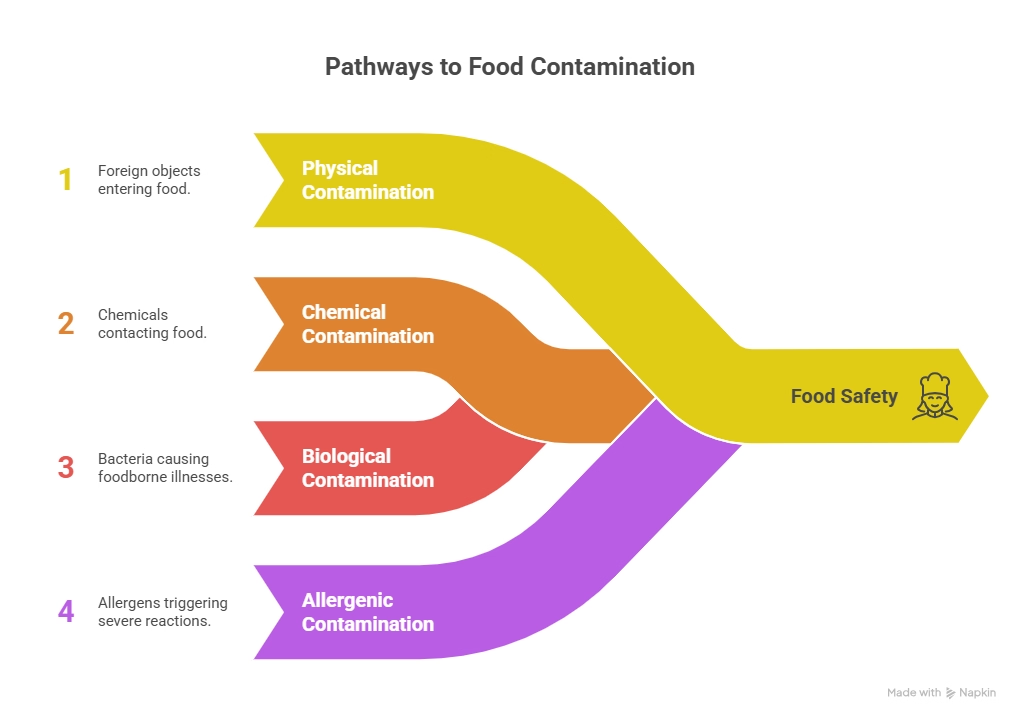
Main Types of Cross-Contamination
1. Physical Contamination
Occurs when foreign objects such as glass, hair or packaging materials enter food.
2. Chemical Contamination
Happens when cleaning products, pesticides or sanitising chemicals contact food.
3. Biological Contamination
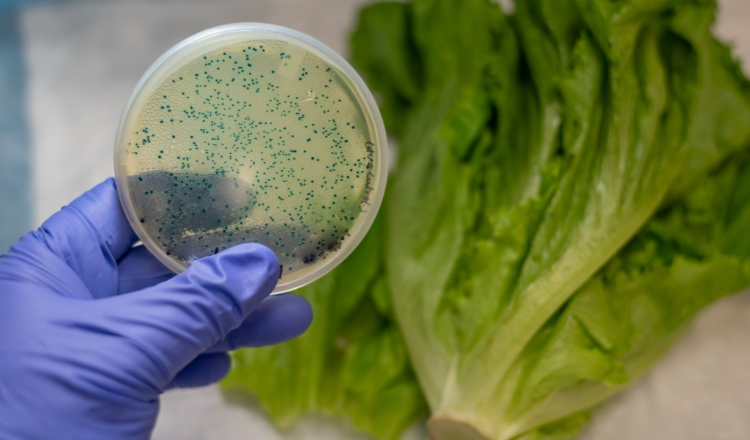
The most dangerous form, caused by bacteria such as Salmonella, E. coli, Listeria or Campylobacter.
4. Allergenic Contamination
Even trace amounts of allergens like nuts, milk or gluten can trigger severe reactions if cross-contact occurs.
How Cross-Contamination Happens in the Workplace
Common sources include:
- Using the same cutting boards for raw meat and vegetables
- Reusing cloths without sanitising
- Poor handwashing habits between tasks
- Improper food storage — raw foods above cooked items
- Inadequate cleaning between shifts
These avoidable mistakes are why regular hygiene training is crucial for all staff members.
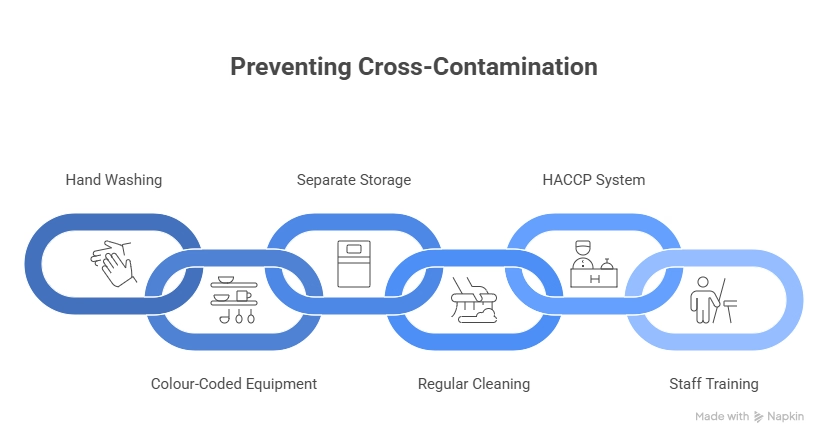
Effective Ways to Prevent Cross-Contamination
1. Hand Washing
Wash your hands with warm water and antibacterial soap for at least 20 seconds before and after handling food.
2. Use Colour-Coded Equipment
Assign colours for different food groups (e.g., red for raw meat, green for vegetables) to prevent cross-use.
3. Separate Raw and Cooked Food
Store raw food below cooked food in fridges to prevent drips or leaks from contaminating ready-to-eat products.
4. Clean and Disinfect Surfaces Regularly
Use food-safe disinfectants and disposable cloths to avoid bacterial build-up.
5. Implement a HACCP System
Following Hazard Analysis and Critical Control Point (HACCP) principles helps identify high-risk areas and maintain consistent hygiene control.
6. Provide Regular Training
Enrol staff in accredited hygiene courses to reinforce the importance of contamination control.
Legal Requirements and Compliance
UK food businesses must comply with the Food Hygiene (England) Regulations 2013 and EC Regulation No 852/2004, which require procedures based on HACCP.
The FSA expects all food handlers to receive training appropriate to their role. Supervisors and managers should complete Level 3 Food Hygiene training to oversee compliance effectively.
Fast-Track Your Food Safety Knowledge
With Apex Learning’s Fast-Track Option, you can complete your Level 3 Food Hygiene and Safety certification in 4 to 6 weeks.
Study online, at your own pace, with lifetime access, interactive lessons and tutor support.
On completion, you’ll receive a CPD-accredited or QLS-endorsed certificate, recognised throughout the UK and fully compliant with Food Standards Agency (FSA) requirements.
Courses available:
External References
Conclusion: Compliance Protects Your Business
Cross-contamination is preventable with proper systems, training and awareness. By investing in accredited hygiene education, you’ll protect your customers, comply with the law and strengthen your reputation for excellence.
Stay compliant and confident with:
Because safe food handling starts with safe habits.
FAQs
1. What is cross-contamination in food?
Cross-contamination is the transfer of harmful bacteria, allergens, or substances from one surface or food to another. It often occurs through unwashed hands, shared utensils, or improper food storage.
2. Why is cross-contamination dangerous?
It can cause foodborne illness by spreading pathogens such as E. coli, Listeria, or Salmonella. Even small traces of bacteria can lead to serious health issues and legal consequences for food businesses.
3. How can I prevent cross-contamination in food handling?
Wash hands regularly, use colour-coded chopping boards, separate raw and cooked food, and clean surfaces frequently. Consistent hygiene training helps maintain safe habits in the workplace.
4. What are the main causes of cross-contamination?
Common causes include poor hand hygiene, using the same equipment for raw and cooked foods, improper cleaning, and storing raw meat above ready-to-eat items in fridges
5. What are the UK regulations for preventing cross-contamination?
Under the Food Hygiene (England) Regulations 2013 and EC Regulation 852/2004, all food businesses must follow HACCP-based procedures and provide hygiene training for staff.
6. What training helps prevent cross-contamination?
Completing accredited courses such as
Food Hygiene Level 3 Training (CPD Accredited)
or
Certificate in Food Hygiene and Safety at QLS Level 3
teaches HACCP principles, hygiene standards, and contamination control.
7. Can I study food hygiene training online?
Yes. Apex Learning offers fully online, self-paced training with tutor support and lifetime access, helping you stay compliant with Food Standards Agency (FSA) requirements.
8. What happens if a business fails to prevent cross-contamination?
Failing to control contamination can lead to food poisoning outbreaks, heavy fines, poor FSA hygiene ratings, and even closure by Environmental Health Officers (EHOs).
" alt="The Role of HACCP in Food Manufacturing and Processing" />
" alt="HACCP in Catering and Hospitality: A Complete Guide" />