In the food industry, hygiene is not just good practice—it’s the law. Every year, foodborne illnesses affect thousands of people across the UK, resulting in significant health and economic consequences.
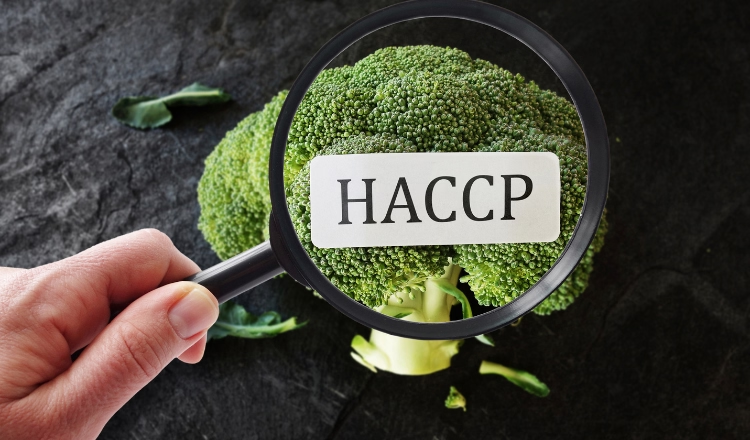
That’s where HACCP comes in. The Hazard Analysis and Critical Control Point (HACCP) system provides a structured approach to identifying, controlling, and preventing food safety hazards before they cause harm.
According to the UK Food Standards Agency (FSA), HACCP principles are mandatory for all food businesses. Understanding these principles is essential for protecting customers, ensuring compliance, and maintaining trust.
If you’re aiming for a supervisory or managerial role, you’ll explore HACCP in depth in our Food Hygiene Level 3 Training Course and QLS Level 3 Food Hygiene and Safety Certificate.
What Does HACCP Stand For?
HACCP stands for Hazard Analysis and Critical Control Point. It’s a globally recognised food safety management system developed by NASA and food scientists in the 1960s to make food safe from biological, chemical, physical, and allergenic hazards.
The system ensures that food safety is maintained from production to consumption—protecting both businesses and consumers.
The Seven Key Principles of HACCP
HACCP is built on seven principles that help businesses manage food safety effectively:
- Conduct a Hazard Analysis
Identify potential hazards such as bacteria, chemicals, or physical objects that could compromise food safety. - Determine the Critical Control Points (CCPs)
Identify the stages in the food process where these hazards can be controlled or eliminated. - Establish Critical Limits
Set safe boundaries for each control point, such as minimum cooking temperatures or storage conditions. - Monitor the CCPs
Regularly check and record that the control points remain within their safe limits. - Establish Corrective Actions
Take immediate steps to fix any issues that arise when critical limits are not met. - Verify the System
Review and test the HACCP plan regularly to ensure its effectiveness and accuracy. - Record Everything
Maintain accurate records for inspections, audits, and legal compliance. Documentation is crucial in demonstrating good hygiene practices.
Why HACCP Matters in the UK Food Industry
HACCP is not optional in the UK—it is a legal requirement under the Food Hygiene (England) Regulations 2013 and the retained EU Regulation (EC) No 852/2004. Implementing a HACCP-based food safety management system provides a wide range of benefits for food businesses. It helps prevent food contamination and foodborne illnesses, ensures compliance with UK food hygiene laws, and builds trust among customers, inspectors, and regulatory bodies. In addition, it reduces waste, minimises costly product recalls, and improves staff training and accountability across all levels of the organisation. For further guidance, the Food Standards Agency offers detailed HACCP resources and templates on its official website at food.gov.uk.
Who Needs HACCP Training?
Anyone working with food should have a solid understanding of HACCP principles. This includes food handlers, catering staff, restaurant managers, supervisors, quality assurance professionals, and business owners in catering, retail, or manufacturing. For those responsible for managing or supervising others, completing a recognised Level 3 Food Hygiene Course is highly recommended, as it provides in-depth knowledge of HACCP systems, food safety management, and legal compliance. You can learn more through our CPD-Accredited Food Hygiene Level 3 Training Course or the QLS Level 3 Certificate in Food Hygiene and Safety, both designed to strengthen your expertise and professional credibility in food safety.
How to Apply HACCP in the Workplace
Applying HACCP in the workplace doesn’t have to be complicated. The process begins by mapping out the entire food journey—from receiving ingredients to serving the final product—to identify where potential hazards may arise. Once hazards are identified, determine the critical points where control is essential, set measurable limits for each stage, and monitor them regularly to ensure consistency and safety. It’s equally important to train all team members so they understand their roles in maintaining food safety standards. Regularly reviewing and updating your HACCP plan ensures it remains effective as operations or regulations change. For instance, maintaining a minimum core temperature of 75°C when cooking poultry is a key control point that helps prevent bacterial contamination and ensures food is safe for consumption.
Learn HACCP Online with CPD & QLS-Accredited Courses
Learning HACCP online through CPD and QLS-accredited courses is one of the most effective ways to enhance your professional credibility and ensure compliance within the food industry. By enrolling in a recognised Level 3 Food Hygiene and Safety Course, you’ll gain the confidence to apply HACCP principles effectively and strengthen your understanding of UK food safety laws. You’ll also have the opportunity to earn a CPD-Accredited Certificate, with the option to add a QLS Level 3 Endorsed Certificate for advanced recognition. The courses are delivered entirely online, allowing you to study at your own pace with lifetime access to materials and full tutor support—making it ideal for busy professionals looking to upskill without interrupting their work schedule.
Sources
Conclusion: Make Food Safety Your Competitive Advantage
HACCP is more than a compliance requirement—it’s the foundation of trust in the food industry. When applied correctly, it protects customers, strengthens business reputation, and ensures legal compliance.
By learning HACCP through an accredited course, you not only meet UK food safety regulations but also demonstrate professionalism and responsibility. Whether you run a café, manage a catering team, or supervise food production, understanding HACCP will help you maintain the highest standards of food safety.
Take the next step in your professional journey and enhance your expertise with Apex Learning’s recognised Food Hygiene and Safety Level 3 Courses.
Fast-Track Your Career
If you want to boost your food safety career quickly, the Fast-Track HACCP Training Option is ideal for you. Many learners complete their Level 3 Food Hygiene and Safety Course in just 4–6 weeks by studying flexibly during evenings, weekends, or days off. Because the course is delivered 100% online, you can progress through each HACCP module at your own pace and take the final assessment as soon as you’re ready—no need to wait for enrolment dates or classroom schedules.
Fast-track QLS Level 3 Certificate checking your learning not only helps you gain your CPD or sooner, but also keeps you motivated by showing consistent weekly progress. Within a few weeks, you’ll be equipped to apply for roles such as Food Safety Supervisor, Hygiene Manager, or Quality Assurance Officer, and take your first step towards a compliant and rewarding career in the UK food industry.
FAQs
1. What does HACCP mean in food safety?
HACCP stands for Hazard Analysis and Critical Control Point. It’s a systematic approach that helps food businesses identify, control, and monitor potential hazards in food preparation and production. The goal is to prevent contamination and ensure food remains safe for consumers.
2. Is HACCP a legal requirement in the UK?
Yes. Under the Food Hygiene (England) Regulations 2013 and equivalent legislation in Wales, Scotland, and Northern Ireland, all UK food businesses must implement a food safety management system based on HACCP principles. The Food Standards Agency (FSA) provides templates and guidance for compliance.
3. Who needs HACCP training?
Anyone working in food handling, catering, or manufacturing should understand HACCP. This includes chefs, supervisors, business owners, and safety managers. For most supervisory roles, a Level 3 Food Hygiene Course—such as our Food Hygiene Level 3 Training or QLS Level 3 Food Hygiene and Safety Certificate—is strongly recommended.
4. What are the seven principles of HACCP?
The seven HACCP principles are:
- Conduct a hazard analysis
- Identify critical control points (CCPs)
- Establish critical limits
- Monitor the CCPs
- Take corrective actions
- Verify the system
- Keep records and documentation
These principles ensure that every stage of food production maintains the highest hygiene standards.
5. How does HACCP differ from general food hygiene training?
Food hygiene training teaches safe handling, cleaning, and storage practices, while HACCP provides a structured system to identify and control hazards. HACCP is part of food hygiene compliance but focuses more on management, supervision, and risk prevention.
6. How can I get a HACCP certificate?
You can earn a recognised HACCP or food hygiene certificate by completing an accredited online course such as Apex Learning’s CPD-Accredited Level 3 Food Hygiene Course. Successful learners receive a digital CPD certificate, with an optional QLS Level 3 Endorsed Certificate for advanced recognition.
7. How long does a HACCP course take?
Most online HACCP or Level 3 Food Hygiene courses take between 8 and 12 hours to complete. With self-paced online learning, you can finish sooner or spread your study over several days.
8. How often should HACCP training be renewed?
Although certificates usually do not expire, the FSA recommends refreshing food safety training every three years or sooner if regulations, roles, or business practices change. Regular updates demonstrate ongoing compliance and professionalism.
9. Can I complete HACCP training online?
Absolutely. Online training allows you to study from anywhere, at any time. Apex Learning offers fully online, tutor-supported courses with lifetime access to materials—ideal for professionals balancing work and study.
10. What career opportunities come with HACCP certification?
Completing a Level 3 Food Hygiene or HACCP course can lead to roles such as Food Safety Manager, Hygiene Supervisor, Quality Assurance Officer, or Health and Safety Consultant. Salaries typically range between £25,000 and £50,000 per year, depending on experience and sector.
11. Why should I choose Apex Learning for HACCP training?
Apex Learning’s courses are CPD QS-Accredited, QLS Endorsed, and recognised across the UK. You’ll receive flexible, lifetime access, professional tutor support, and affordable certificate options—making it one of the best-value food safety training pathways in the UK.

" alt="The 6 Principles of Safeguarding: Protect Before Harm Happens" />

" alt="Personal Development Goals: 5 Meaningful Examples That Work" />

" alt="TILE in Manual Handling: Meaning, Checklist & Safer Lifting Guide" />