

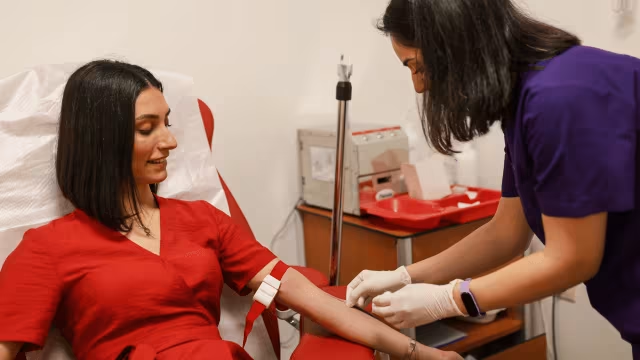

Are you looking to start a career in healthcare? With the NHS facing a shortage of skilled professionals, now is the perfect time to step into the field. Whether you’re interested in patient care or supporting healthcare teams, a Level 3 Nursing Assistant course opens the door to a range of rewarding roles.
After completing a Level 3 Nursing Assistant course, you can pursue various roles, including Nursing Assistant in hospitals, Care Assistant in residential homes, Healthcare Assistant in community care, Clinical Support Worker, and even Healthcare Administrator in private healthcare settings.
In this blog, we’ll explore the various job opportunities available after completing a Level 3 Nursing Assistant course, from hospital care to community settings. Keep reading to discover how this qualification can pave the way for a rewarding career.
Key Job Opportunities After Completing the Course
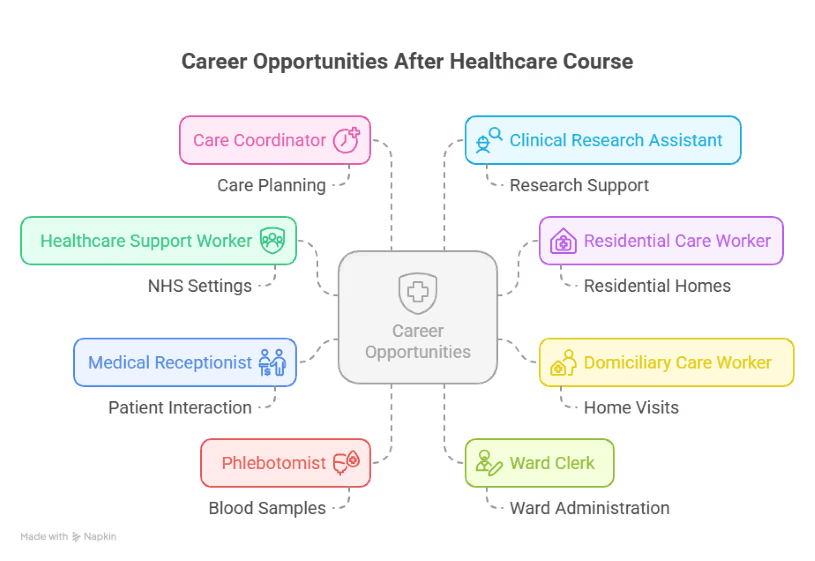
Completing a Level 3 Nursing Assistant course opens up a world of opportunities in the healthcare sector. Whether you’re looking to work directly with patients or in a supporting role, there are numerous career paths to choose from. Each role offers a chance to make a difference while earning a competitive salary. Let’s explore some additional job options that you can pursue after completing the course.
Healthcare Support Worker in NHS Settings
Healthcare Support Workers (HSWs) are essential in NHS hospitals and clinics, where they assist healthcare teams in a variety of ways. From providing direct care to supporting nurses and doctors during procedures, HSWs play a key role in patient care. You’ll work in a fast-paced environment, assisting patients with mobility, personal care, and comfort.
Average Salary: £22,000 to £24,000 per year
Key Responsibilities:
- Assisting patients with daily tasks and activities
- Taking vital signs and assisting with basic medical procedures
- Supporting nurses and doctors with medical tasks
Residential Care Worker
As a Residential Care Worker, you will work with elderly or disabled individuals, providing personal care and ensuring their safety and well-being. This role is vital in helping residents maintain their independence and improve their quality of life. You may also assist with activities and ensure that residents are comfortable in their living environment.
Average Salary: £20,000 to £23,000 per year
Key Responsibilities:
- Assisting residents with personal care and mobility
- Organising recreational activities to enhance residents’ quality of life
- Administering medications as prescribed and documenting health changes
Domiciliary Care Worker (Home Care Assistant)
If you prefer working in a one-on-one setting, a role as a Domiciliary Care Worker allows you to support individuals in their own homes. This role involves providing personal care, companionship, and assisting with day-to-day tasks. You will help individuals with chronic conditions, disabilities, or elderly people who need assistance to live independently in their own homes.
Average Salary: £20,000 to £24,000 per year
Key Responsibilities:
- Providing personal care and supporting with daily activities
- Assisting with mobility and medication reminders
- Offering companionship and emotional support
Medical Receptionist
A Medical Receptionist plays a crucial role in healthcare facilities, handling patient appointments, managing records, and providing administrative support. As a Level 3 Nursing Assistant, this position allows you to utilise your healthcare knowledge while providing essential support to healthcare professionals and patients.
Average Salary: £18,000 to £22,000 per year
Key Responsibilities:
- Booking appointments and managing patient records
- Greeting patients and addressing inquiries
- Assisting with billing and insurance claims
Phlebotomist (Blood Collection Specialist)
Phlebotomists are trained professionals who collect blood samples for medical testing, donations, and research. This job requires precision and the ability to make patients feel comfortable during the process. As a Level 3 Nursing Assistant, you’ll have the foundational skills to move into this role.
Average Salary: £20,000 to £23,000 per year
Key Responsibilities:
- Drawing blood samples from patients for testing
- Labelling and documenting blood samples
- Ensuring patient comfort during the procedure
Ward Clerk
A Ward Clerk assists with administrative tasks in hospital wards, ensuring smooth operations. This role involves managing patient records, coordinating appointments, and supporting the nursing team with clerical tasks. It’s a great fit for someone who enjoys being involved in the healthcare system without direct patient care.
Average Salary: £18,000 to £21,000 per year
Key Responsibilities:
- Managing patient admissions and discharges
- Handling patient records and ensuring accurate documentation
- Liaising between patients and healthcare teams
Care Coordinator
Care Coordinators manage patient care within various healthcare settings, including hospitals, clinics, and care homes. They ensure that patients receive the appropriate treatments, help arrange appointments, and coordinate between different healthcare professionals. This is an ideal role for someone who is organised and has good communication skills.
Average Salary: £25,000 to £28,000 per year
Key Responsibilities:
- Managing patient care plans and appointments
- Liaising between patients, families, and healthcare providers
- Ensuring patients receive the necessary services and support
Clinical Research Assistant
Clinical Research Assistants support research teams by assisting in clinical trials and studies. This role is ideal for someone interested in healthcare research and contributes directly to advancing medical knowledge. You may be involved in recruiting patients for studies, collecting data, and analysing results.
Average Salary: £22,000 to £26,000 per year
Key Responsibilities:
- Assisting with the setup and administration of clinical trials
- Recruiting and supporting participants in research studies
- Recording and analysing research data
Each of these roles offers unique opportunities for growth and contribution to the healthcare sector. Whether you want to work directly with patients, support healthcare teams, or work behind the scenes, a Level 3 Nursing Assistant qualification opens the door to a wide range of fulfilling careers.
Phlebotomist
You might also consider becoming a Phlebotomist, where you’ll collect blood samples for tests and donations. This role requires specialised training, but with your foundation in patient care, you’ll find it an easy transition. It’s a hands-on job that plays a critical role in healthcare diagnostics.
Average Salary: £20,000 to £23,000 per year
Key Responsibilities:
- Collecting blood samples from patients
- Ensuring proper labelling and handling of samples
- Keeping accurate patient records
Medical Records Clerk
Another option is becoming a Medical Records Clerk. This role involves managing patient records, ensuring everything is filed accurately, and supporting the healthcare team with administrative tasks. You’ll be part of the backbone of healthcare operations, helping to keep information organised and accessible.
Average Salary: £18,000 to £22,000 per year
Key Responsibilities:
- Organising and maintaining patient records
- Ensuring data is accurate and up to date
- Providing administrative support to healthcare teams
Care Coordinator
If you prefer more of a leadership role, a Care Coordinator could be a great fit. In this position, you would manage the care plans of patients, ensuring that they receive the right services at the right time. Your ability to coordinate between different healthcare professionals will make you an essential part of patient care teams.
Average Salary: £25,000 to £28,000 per year
Key Responsibilities:
- Coordinating patient care and appointments
- Liaising with healthcare providers
- Managing patient files and medical documentation
Clinical Research Assistant
Lastly, there’s the possibility of working as a Clinical Research Assistant. In this role, you’ll support clinical trials and research studies, helping to collect data and monitor patient progress. If you’re interested in medical research, this role offers the chance to contribute to advancements in healthcare.
Average Salary: £22,000 to £26,000 per year
Key Responsibilities:
- Assisting with the setup of research studies
- Recruiting participants and collecting data
- Monitoring patients involved in clinical trials


Why Choose a Career as a Nursing Assistant?
If you’re considering a career in healthcare, becoming a Nursing Assistant is a great option. This role is in high demand, and the need for qualified professionals continues to grow. With an ageing population and increased healthcare needs, you’ll be stepping into a career where you can make a real difference.
One of the biggest benefits of becoming a Nursing Assistant is the job stability. The healthcare sector is constantly expanding, meaning there are plenty of job opportunities across hospitals, care homes, and community care settings. In fact, the NHS alone employs over 1.3 million people in the UK, making it one of the largest employers in the country, with many of these roles dedicated to healthcare assistants.
Not only is the demand high, but the role itself offers personal fulfilment. As a Nursing Assistant, you’ll be directly involved in helping people, providing essential support, and improving their quality of life. Whether you’re assisting patients with personal care or offering emotional support, the impact you’ll have is significant.
Why else should you consider this career? Here are a few reasons:
- Job Variety: You can work in a range of settings, from hospitals to private care homes.
- Career Progression: With additional qualifications, you can progress into roles like Nursing Associate or even Registered Nurse.
- Rewarding Work: Knowing that you’re making a positive impact on someone’s life adds a sense of fulfilment.
Becoming a Nursing Assistant is more than just a job; it’s an opportunity to be a part of something bigger—improving healthcare, supporting patients, and gaining skills that are valued worldwide.
How to Advance Your Career After the Level 3 Nursing Assistant Course
Completing a Level 3 Nursing Assistant course is just the beginning of your journey in healthcare. As you gain experience, you’ll find many opportunities to advance your career. Whether you aim to specialise in a particular area or move into higher roles, there are several ways to build on your qualifications and take your career to the next level.
Further Qualifications and Specialisations
One of the most effective ways to advance your career is by pursuing additional qualifications. Many healthcare assistants go on to specialise in areas such as palliative care, geriatrics, or paediatrics, which opens up more senior roles. You might also consider becoming a Nursing Associate or Registered Nurse. There are numerous training programmes available that allow you to build on your Level 3 qualification and gain a deeper understanding of specific healthcare areas.
- Nursing Associate: A bridge between a healthcare assistant and a registered nurse.
- Registered Nurse: A highly respected role with numerous career paths in various specialities.
Gain Experience in Different Healthcare Settings
Experience is crucial in healthcare. By working in a variety of settings—hospitals, care homes, community health organisations—you’ll develop a broad range of skills. This variety can make you a more competitive candidate for higher roles. Plus, it will give you the chance to explore which area of healthcare you enjoy the most, allowing you to specialise in a field that matches your passion.
Seek Leadership Roles
Once you’ve gained enough experience, you may want to move into more leadership-oriented roles. Positions such as Clinical Supervisor or Team Leader require you to manage teams of healthcare professionals and ensure that care standards are met. Leadership roles often come with higher salaries and greater responsibility, making them an excellent next step in your career.
Pursue Additional Certifications
Another way to boost your career is by earning certifications in specialised areas. For example, you could pursue training in phlebotomy, wound care, or infection control. Having these certifications under your belt will make you a more versatile and valuable employee, giving you an edge when applying for promotions or new roles.
Build a Professional Network
Networking within the healthcare community is essential. Joining professional associations and attending conferences will not only help you stay updated on industry trends but also connect you with other professionals who can help guide your career. A strong network can open doors to new job opportunities and mentorship.
Your Path to Growth and Opportunity in Healthcare
A Level 3 Nursing Assistant course provides the perfect foundation for a fulfilling career in healthcare. With a wide range of job opportunities, from patient care to administrative roles, the possibilities are vast. As you gain experience, there are plenty of pathways to advance your career, whether through further qualifications, gaining specialised experience, or stepping into leadership roles. The healthcare sector is continuously growing, and your skills will always be in demand. So, whether you’re just starting or looking to progress, there’s no better time to begin your journey in healthcare. Embrace the opportunity to make a real impact on people’s lives while advancing your career.
FAQ
What Comes After a Nursing Assistant?
After a nursing assistant role, you can advance to becoming a Nursing Associate or Registered Nurse with further training and education. Alternatively, you could specialise in areas like palliative care, paediatrics, or geriatrics, or take on leadership roles like Clinical Supervisor.
What is the Role of Nursing Assistants?
Nursing Assistants assist nurses and doctors in providing basic patient care. They help with daily activities like bathing, dressing, feeding, and mobility, as well as monitoring vital signs, administering medications, and supporting patients emotionally.
What Are the Roles and Responsibilities of Healthcare Assistants?
Healthcare Assistants (HCAs) support patients in hospitals, care homes, and community settings. Their tasks include personal care, monitoring patient health, helping with mobility, administering medications, and assisting nurses in providing care.
What Are the Duties and Responsibilities of Healthcare Assistants in the UK?
In the UK, HCAs assist with personal care, provide support to patients with daily activities, monitor vital signs, help in dressing and feeding patients, and offer companionship. They also assist medical professionals during procedures and provide emotional support.
What Qualifications Do Healthcare Assistants Need?
In the UK, healthcare assistants typically need at least a Level 2 or 3 qualification in Health and Social Care. Some positions require specific training in areas like infection control, phlebotomy, or wound care, especially for more specialised roles.
What Does a Healthcare Assistant Do in the NHS?
A Healthcare Assistant in the NHS works under the guidance of nurses and doctors to support patient care. Duties include assisting with hygiene, feeding, dressing, and observing patients’ health. The NHS also provides training opportunities for HCAs to develop their careers.
What is the Job Description for an NHS Band 3 Healthcare Assistant?
NHS Band 3 Healthcare Assistants typically perform more advanced duties than those in lower bands. They support patients in hospitals, assist with basic clinical tasks, and handle more responsibility in patient care. Band 3 HCAs often require further qualifications or experience and have a higher level of responsibility.
How Much Do Nursing Assistant Courses Cost in the UK?
The fees for a Nursing Assistant course in the UK can vary based on the provider and level of qualification. Typically, courses range from £500 to £2,000 for a Level 3 qualification, with some colleges offering financial aid or payment plans.
 " alt="The 6 Principles of Safeguarding: Protect Before Harm Happens" />
 " alt="Personal Development Goals: 5 Meaningful Examples That Work" />
 " alt="TILE in Manual Handling: Meaning, Checklist & Safer Lifting Guide" />