

Introduction – Why Hygiene Starts with You
In the UK food industry, maintaining personal hygiene is one of the most important responsibilities for every food handler. Poor hygiene doesn’t just damage a business’s reputation — it can lead to foodborne illness, failed inspections, and even legal consequences.
The Food Standards Agency (FSA) and the Food Hygiene (England) Regulations 2013 require all food handlers to follow strict personal hygiene standards to prevent contamination. By following proper hygiene practices, you protect customers, your business, and your career.
If you are a manager or supervisor, the best way to ensure compliance is by completing accredited training such as the Food Hygiene Level 3 Training (CPD Accredited) or the Certificate in Food Hygiene and Safety at QLS Level 3.
Why Personal Hygiene Is Essential in Food Handling
Personal hygiene is the first line of defence against cross-contamination and foodborne illness. Even minor lapses — such as touching food with unwashed hands or handling raw and cooked products together — can transfer harmful bacteria like Salmonella or E. coli.
Good hygiene also demonstrates professionalism during audits and reassures customers that food is handled safely. In fact, poor personal hygiene is one of the leading causes of failed FSA inspections in the UK.
Key Personal Hygiene Practices for Food Handlers
1. Maintain Proper Hand Hygiene
Hands are the most common source of contamination. Food handlers must:
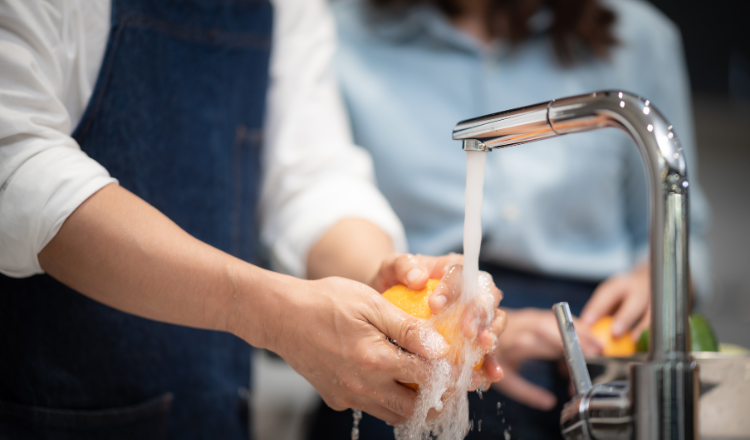
- Wash your hands with warm water and antibacterial soap for at least 20 seconds.
- Dry hands with disposable paper towels, not cloth.
- Wash your hands after using the toilet, handling raw food, touching your hair, face, or rubbish.
2. Wear Clean Protective Clothing
Clean aprons, gloves, and hairnets prevent contamination from clothing or hair. Replace any protective gear immediately if it becomes soiled.
3. Keep Nails, Hair, and Skin Clean
- Keep nails short and free from nail polish or extensions.
- Tie back long hair or cover it completely.
- Avoid wearing jewellery, which can harbour dirt and bacteria.
4. Report Illness Immediately
Staff experiencing symptoms such as vomiting, diarrhoea, or fever must report to their supervisor and refrain from food handling for at least 48 hours after recovery, as required by FSA guidance.
5. Avoid Cross-Contamination
Never handle raw and cooked food simultaneously. Use separate utensils, cutting boards, and storage areas to prevent bacterial transfer.
6. Cover Cuts and Wounds
Always use blue waterproof plasters or gloves to cover any cuts or sores. This makes it easy to spot if the plaster falls into food.
7. Practise Good Behaviour in Food Areas
Do not smoke, eat, chew gum, or use mobile phones while handling food. These actions increase the risk of contamination.
Legal Requirements for Personal Hygiene
The Food Hygiene (England) Regulations 2013 and EC Regulation 852/2004 make personal hygiene a legal requirement for all food handlers. Employers must ensure that:
- Food staff receive regular hygiene training.
- Clean protective equipment is provided.
- Facilities for handwashing and waste disposal are available.
Non-compliance can result in fines, business closure, or prosecution.
The Role of Training in Maintaining Hygiene Standards
While basic hygiene rules seem simple, consistent application requires proper training and monitoring. Accredited courses teach food handlers the science behind contamination, helping them understand why each step matters.
Enrolling in:
ensures both staff and supervisors meet the UK’s highest compliance standards, preparing them for FSA audits and day-to-day safe operations.
Fast-Track Your Food Safety Knowledge
With Apex Learning’s Fast-Track Option, you can complete your Level 3 Food Hygiene certification in as little as 4 to 6 weeks — ideal for professionals and business owners who need to meet compliance standards quickly and confidently.
Study 100 per cent online with lifetime access, interactive learning modules, and dedicated tutor support designed to fit around your work schedule. You’ll gain practical knowledge of food safety laws, HACCP principles, and FSA audit requirements that apply directly to your workplace.
Upon completion, you will receive a CPD-accredited or QLS-endorsed certificate, recognised throughout the UK food industry and fully aligned with Food Standards Agency (FSA) standards.
Advance your career or strengthen your business compliance today with:
Start your fast-track journey to excellence in food safety and compliance today.
External References
Conclusion: Compliance Protects Your Business
Maintaining excellent personal hygiene protects both customers and colleagues. It’s not just a rule — it’s a professional standard that defines trustworthy food service.
By investing in accredited training with Apex Learning, you can build a team that understands, applies, and values hygiene in every task.
Get certified today with:
Clean hands, clean habits, and clean operations create a safer, stronger business.
FAQs
1. Why is personal hygiene important in food handling?
Good personal hygiene prevents cross-contamination and the spread of bacteria such as Salmonella and E. coli. It protects customers, ensures food safety, and helps your business stay compliant with UK food hygiene laws.
2. What are the key personal hygiene rules for food handlers?
Food handlers must wash their hands regularly, wear clean clothing, cover cuts with waterproof plasters, avoid touching their hair or face, and report any illness before working with food.
3. What happens if a food handler has poor personal hygiene?
Poor hygiene can cause food poisoning, contamination, and legal penalties for the business. It can also lead to failing FSA inspections or the temporary closure of premises.
4. How often should food hygiene training be renewed?
Training should be refreshed every three years or sooner if there are changes in the menu, process, or legislation.
You can stay compliant with Food Hygiene Level 3 Training (CPD Accredited) or Certificate in Food Hygiene and Safety at QLS Level 3.
5. Can I complete food hygiene training online?
Yes. Apex Learning offers fully online, self-paced courses with lifetime access and tutor support. You’ll earn a CPD- or QLS-recognised certificate that meets Food Standards Agency (FSA) requirements.
6. What should staff do if they’re ill?
Anyone with diarrhoea, vomiting, or fever should inform their manager and avoid handling food for 48 hours after symptoms stop, following FSA guidelines.
7. What clothing should food handlers wear?
Food handlers should wear clean protective clothing, hairnets, and gloves where required. Uniforms must be washed regularly and replaced immediately if contaminated.
8. What level of training do supervisors need?
Supervisors and managers must complete Level 3 Food Hygiene training to monitor staff, enforce standards, and maintain compliance.
" alt="The Role of HACCP in Food Manufacturing and Processing" />
" alt="HACCP in Catering and Hospitality: A Complete Guide" />
" alt="Cross-Contamination in Food: Risks and Prevention" />