



Want to start a career in health and social care but have no experience? You’re not alone—over 1.5 million people work in the UK’s health and social care sector, and the demand for new staff is growing steadily, according to Skills for Care.
To get a job in Health and Social Care without experience, you have to volunteer, take CPD-accredited courses, tailor your CV, develop transferable skills, join professional networks, gain shadowing experience, apply for apprenticeships, and use job boards effectively to secure entry-level positions.
This guide will show you practical steps and strategies to help you break into the sector, improve your employability, and gain a strong foothold in health and social care.
How to Get a Job in Health and Social Care Without Experience: 10 Actionable Ways
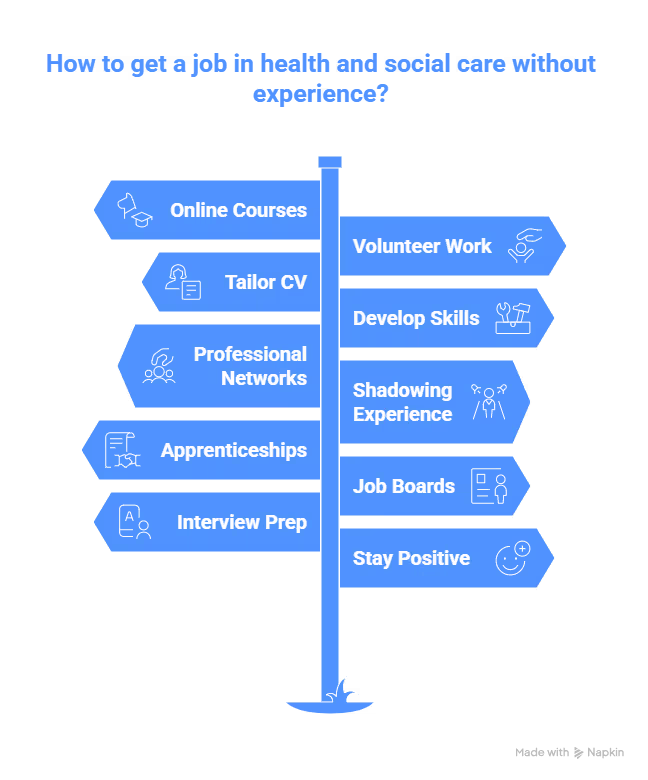
Breaking into the health and social care sector without experience can feel challenging, but it’s far from impossible. We’ve compiled 10 practical ways to help you start quickly and confidently. By following these steps, you can build your skills, improve your CV, and increase your chances of landing a role.
1. Take CPD-Accredited Online Courses
To get a job in health and social care without experience, start by taking CPD-accredited courses. These courses show employers you are serious about learning and developing relevant skills. You can learn about safeguarding, first aid, or health and social care practices online. Completing these courses can make your CV stand out.
For example, the Level 3 Diploma in Health and Social Care or the Level 4 Diploma in Health and Social Care Management can provide you with comprehensive knowledge, preparing you for various roles within care facilities. These qualifications can make your CV stand out and demonstrate your dedication to the profession, even if you’re just starting.
2. Volunteer in Local Organisations
Volunteering gives you exposure to the sector while building your confidence. Even a few hours a week at a care home, community centre, or charity counts. This hands-on experience demonstrates commitment to prospective employers. Plus, it allows you to develop essential communication and teamwork skills.
3. Tailor Your CV for Entry-Level Roles
Your CV should highlight transferable skills, even if you have no prior experience. Focus on skills such as communication, organisation, empathy, and teamwork. Include any volunteer work, courses, or shadowing experience. A targeted CV will increase your chances of being noticed by recruiters.
4. Develop Transferable Skills
You likely already have skills that employers value. Skills from retail, hospitality, or administration roles—like time management, problem-solving, and customer service—are relevant. Make sure to highlight them when applying. These transferable skills can make a significant difference in entry-level applications.
5. Join Professional Networks
Networking helps you learn about opportunities and gain advice from experienced professionals. Attend local events, webinars, and online forums related to health and social care. LinkedIn is also a great platform to connect with recruiters and professionals. Networking can often lead to job opportunities that aren’t advertised publicly.
6. Gain Shadowing Experience
Shadowing a professional in the sector lets you observe daily routines and responsibilities. Even a short placement helps you understand the work environment and employer expectations. Many employers value shadowing experience on your CV. It’s a practical way to gain insight without prior experience.
7. Apply for Apprenticeships
Apprenticeships are designed for people starting in the sector with little or no experience. You can earn while you learn, gaining recognised qualifications. They also give hands-on exposure to real workplace scenarios. Many apprentices progress to permanent roles after completion.
8. Use Job Boards Effectively
Websites like NHS Jobs list entry-level positions. Filter roles for “no experience required” or “apprenticeships.” Set up alerts to receive new postings straight to your inbox. Being proactive increases your chances of finding the right opportunity quickly.
9. Prepare for Interviews
Even without experience, preparation is key. Research the organisation, anticipate common questions, and think about how your skills and courses make you a good fit. Practise clear and confident communication. This preparation can leave a strong impression on interviewers.
10. Stay Positive and Persistent
Breaking into the sector can take time, so patience is essential. Apply regularly, learn from rejections, and keep improving your skills. Employers value motivated candidates who demonstrate commitment. With persistence, you will find the right role and start your journey in health and social care.


How to Make Your CV Stand Out Without Experience
Online health and social care courses are recognised by employers, as long as they are accredited by reputable bodies like CPD, Ofqual, or RQF.
Employers trust accredited qualifications because they provide a guarantee of quality and relevance. Accredited courses undergo rigorous review processes to ensure they meet industry standards. This reassures employers that the skills taught are up-to-date and applicable in real-world scenarios. As the health and social care sector continues to grow, qualifications that are accredited by recognised bodies give employers confidence in the competence of applicants.
Importance of Recognised Certifications for Job Applications
In a competitive job market, recognised certifications are essential for standing out. According to a report by the Health and Care Professions Council (HCPC), over 90% of employers in the UK require formal qualifications to demonstrate competency in healthcare roles. This statistic highlights the need for qualifications that employers can trust when making hiring decisions. Without recognised certifications, applicants may struggle to prove their qualifications and expertise.
How to Ensure Your Course is Recognised
To ensure your course is recognised, look for accredited qualifications that align with industry standards. For example, the Level 3 Diploma in Health and Social Care and the Level 4 Diploma in Health and Social Care Management are courses that are by employers. It’s important to verify that your course is accredited by credible bodies such as CPD or Ofqual before enrolling. Doing so will ensure that your qualification is respected and valued by employers in the sector.

Entry-Level Roles You Can Apply For in Health and Social Care
Breaking into health and social care is possible, even without experience. There are several entry-level roles that provide a great starting point for beginners. Here are some roles you can apply for:
1. Care Assistant / Support Worker
Care assistants or support workers play a vital role in providing personal care and support to individuals in need. This could be in care homes, hospitals, or people’s homes. Duties often include helping with daily tasks, administering medication, and offering emotional support.
2. Healthcare Assistant
Healthcare assistants support nurses and other healthcare professionals in delivering care. In this role, you may assist with basic patient care, including taking vital signs, dressing wounds, and helping patients with mobility. It’s a great starting point to gain hands-on experience in healthcare settings.
3. Administrative Roles in Care Facilities
If you have organisational skills, administrative roles in care facilities could be a good fit. These roles often include tasks like managing patient records, answering calls, and assisting with scheduling appointments. These positions allow you to get involved in the healthcare process without direct patient care.
4. Community Health Support Worker
Community health support workers help deliver healthcare services outside of hospitals, often working in people’s homes or community centres. You may assist individuals with managing their health, connecting them with resources, or providing emotional support. It’s an excellent way to develop communication and community outreach skills.

Upskilling: Courses, Certifications, and Microlearning
One of the quickest ways to increase your chances of getting a job in health and social care without experience is by upskilling. Completing relevant courses and certifications not only improves your knowledge but also shows employers that you are committed to your career development. Here are some of the essential courses to consider:
Safeguarding and Protection Courses
Safeguarding is a crucial aspect of working in health and social care. Taking safeguarding and protection courses ensures that you understand how to protect vulnerable individuals from harm. These courses cover topics such as recognising signs of abuse and knowing how to respond appropriately, which are essential for any care role.
First Aid, CPR, and Infection Control
Basic first aid and CPR are important skills that employers look for in health and social care workers. Additionally, infection control knowledge is vital, especially in the current health climate. Completing certifications in these areas demonstrates that you can act quickly and confidently in emergency situations, making you a valuable asset to any team.
Online CPD-Accredited Courses for Beginners
There are many CPD-accredited online courses designed specifically for beginners in the sector. These courses provide a flexible way to gain valuable qualifications that are recognised by employers. Whether it’s learning about communication skills in care, health and safety regulations, or manual handling, these courses can enhance your CV and make you more competitive in the job market.
How to Prepare for Interviews in Health and Social Care
Interviews can be nerve-wracking, especially when you’re new to the sector. However, with the right preparation, you can walk into your interview feeling confident and ready to impress. Here’s how to get ready for an interview in health and social care:
1. Research the Employer and Role
Before your interview, take some time to research the company or organisation. Look at their website to understand their values, services, and the work culture. Knowing this will allow you to tailor your answers and show that you’re genuinely interested in the organisation and the role.
2. Anticipate Common Interview Questions
Interviews for health and social care roles often focus on your soft skills and ability to handle challenging situations. Some common questions include:
- “Why do you want to work in health and social care?”
- “How do you deal with stress or difficult situations?”
- “Can you give an example of when you worked in a team?”
Think about your answers beforehand and prepare examples from past experiences—whether in previous jobs, volunteering, or life situations—that demonstrate your skills and qualities.
3. Showcase Your Soft Skills
While technical knowledge is important, soft skills are just as crucial in health and social care. Employers are looking for candidates who can communicate effectively, work as part of a team, and show empathy. Make sure to highlight your ability to build relationships with others, your patience, and your commitment to supporting people in need.
4. Be Ready to Discuss Your Training and Experience
Even if you don’t have formal experience, your training and any volunteer work or shadowing you’ve done are important to mention. Talk about the CPD-accredited courses you’ve completed, any skills you’ve gained from volunteering, and how these experiences have prepared you for the role. Employers value candidates who have made an effort to learn and gain practical knowledge, even without direct job experience.
5. Prepare Questions for the Interviewer
Interviews are a two-way street. At the end of the interview, you’ll likely be asked if you have any questions. Use this opportunity to show your interest in the role and the company. Some good questions could be:
- “What does a typical day look like in this role?”
- “What support and training will be available to help me succeed?”
- “How do you ensure the well-being of your staff?”
Asking insightful questions will demonstrate that you’re not only interested in the job but also in making a positive impact in the workplace.
Conclusion
Embarking on a career in health and social care offers a pathway to meaningful work with substantial growth opportunities. As noted by Tracy Walters, “A career in Health & Social Care offers long-term employment prospects, with opportunity for promotion and progression as well as job security.”
If you’re considering this field, take proactive steps: explore training options, seek out volunteer experiences, and connect with professionals in the sector. With dedication and the right preparation, you can build a fulfilling career that makes a real difference in people’s lives.
FAQs
1. What qualifications do I need to be a care worker?
To become a care worker, a Level 2 or Level 3 Diploma in Health and Social Care is recommended. CPD courses like first aid and safeguarding can also help boost your qualifications.
2. How can I become a carer for a family member?
You don’t need formal qualifications, but training in manual handling, first aid, and safeguarding is helpful. Reach out to local services for guidance and support.
3. What is the easiest healthcare job to get into?
Roles like care assistant and support worker are common entry-level positions. They require minimal experience and basic training, which can be gained through online courses or volunteering.
 " alt="The 6 Principles of Safeguarding: Protect Before Harm Happens" />
 " alt="Personal Development Goals: 5 Meaningful Examples That Work" />
 " alt="TILE in Manual Handling: Meaning, Checklist & Safer Lifting Guide" />