Blog 5 minutes read

HACCP Certification: What It Is and Why You Need It

HACCP certification is vital for food safety compliance in the UK. Discover what it covers, who needs it, and how to get certified online.

IT

Isla Thompson

Published December 12, 2025

HACCP Certification: What It Is and Why You Need It
arrow

Introduction – The Foundation of Food Safety

In today’s fast-paced food industry, maintaining safety and compliance is not optional — it’s essential. One of the key requirements for UK food businesses is HACCP certification.
Standing for Hazard Analysis and Critical Control Point, HACCP is a structured food safety system designed to prevent contamination before it happens, rather than reacting to it after the fact.

Whether you run a restaurant, catering service, or food manufacturing business, achieving HACCP certification demonstrates your commitment to public health, legal compliance, and operational excellence.

What Is HACCP Certification?

HACCP certification is official recognition that your food business follows the seven principles of HACCP, a globally recognised standard for controlling food safety hazards.

It proves that your systems are designed to prevent foodborne illness by identifying and managing biological, chemical, and physical risks throughout production, preparation, and service.

In the UK, HACCP certification is a legal requirement under the Food Hygiene (England) Regulations 2013 and the retained EU Regulation (EC) No 852/2004.

Why HACCP Certification Matters in the UK

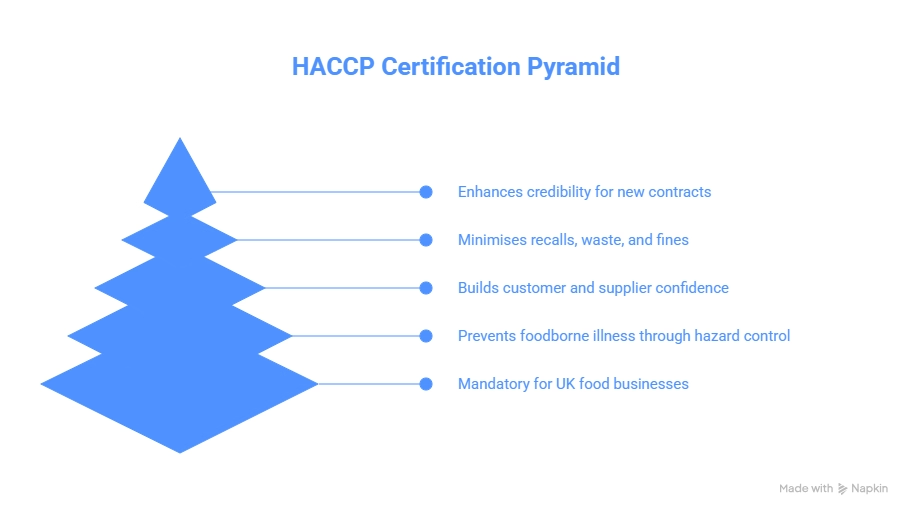
1. It’s a Legal Requirement

All food businesses — from cafés to factories — must implement HACCP principles to comply with UK food safety laws. Certification proves that you meet these obligations.

2. It Prevents Foodborne Illness

By analysing and controlling hazards at critical stages, HACCP reduces the risk of contamination and ensures safe food for consumers.

3. It Builds Trust and Reputation

Customers and suppliers are more likely to work with certified businesses that demonstrate professionalism and accountability.

4. It Reduces Business Risks

Proper certification minimises product recalls, waste, and fines from failed inspections.

5. It Opens New Opportunities

HACCP certification enhances your credibility and helps win contracts, particularly with large retailers and catering chains.

How to Get HACCP Certified

To achieve HACCP certification in the UK, you must:

  • Understand the 7 Principles of HACCP.
  • Develop and document your HACCP plan.
  • Train your staff in food safety management.
  • Implement control and monitoring systems.
  • Undergo an audit or inspection from a recognised body.

The first step is gaining the right knowledge and qualification through accredited training, such as:

Who Needs HACCP Certification?

HACCP certification is essential for anyone responsible for food safety, including:

  • Restaurant and catering managers
  • Food production supervisors
  • Quality control officers
  • Food business owners
  • Health and safety coordinators

Even food handlers and kitchen staff benefit from understanding HACCP principles, as it improves day-to-day hygiene practices.

Fast-Track Your Food Safety Knowledge

With Apex Learning’s Fast-Track Option, you can earn your Level 3 Food Hygiene and HACCP certification in just 4 to 6 weeks. This pathway is ideal for professionals who want to stay compliant while managing a busy schedule.

Study 100 per cent online with lifetime access, interactive modules, and expert tutor support. You can progress at your own pace without disrupting your work or personal commitments.

Upon completion, you will receive a CPD-accredited or QLS-endorsed certificate that is recognised across the UK food industry and fully aligned with Food Standards Agency (FSA) compliance standards.

Choose the right course for your goals:

Start your journey today and fast-track your way to HACCP confidence and compliance.

HACCP Certification and Legal Compliance

The Food Standards Agency (FSA) requires all food businesses to have safety management procedures based on HACCP principles. Certification provides documented evidence that your processes align with these requirements.

It also supports your business during audits or EHO (Environmental Health Officer) inspections, ensuring your systems are up to date and verifiable.

External Resources


Conclusion: Compliance Protects Your Business

HACCP certification is more than a legal checkbox — it’s a sign of professionalism, reliability, and care for public safety.
By earning your certification through Apex Learning’s accredited courses, you’ll build a safer workplace, enhance your reputation, and stay fully compliant with UK food safety regulations.

Start your journey today:

FAQs

1. What is HACCP certification?

HACCP certification is official proof that a food business follows the Hazard Analysis and Critical Control Point (HACCP) system — a legal requirement in the UK to manage and control food safety hazards.

2. Why is HACCP certification important?

It helps prevent foodborne illness, ensures compliance with UK food safety laws, builds customer trust, and protects your business from fines or closures.

3. Who needs HACCP certification?

Anyone responsible for food safety — including managers, supervisors, and business owners — needs HACCP certification to meet UK regulations and lead safe operations.

4. How can I get HACCP certified in the UK?

You can gain HACCP certification by completing accredited training, such as:

Both cover HACCP principles, hazard management, and audit compliance.

5. Is HACCP certification mandatory in the UK?

Yes. Under the Food Hygiene (England) Regulations 2013 and EC Regulation 852/2004, all UK food businesses must implement and follow HACCP-based systems.

6. How long does HACCP certification last?

Most certifications remain valid for three years. Refresher training is recommended whenever legislation or business processes change.

7. Can I complete HACCP certification online?

Yes — you can study fully online at your own pace with Apex Learning’s Fast-Track courses, which offer lifetime access, tutor support, and UK-recognised certification.

8. What are the benefits of HACCP training for employees?

It improves awareness of hygiene hazards, boosts compliance, reduces workplace risks, and ensures staff are prepared for inspections and audits.

9. What level of HACCP certification do I need?

Supervisors and managers typically require a Level 3 qualification, while general food handlers can complete Level 2 courses for foundational knowledge.

10. What happens if I don’t have HACCP certification?

Without certification, your business risks fines, enforcement notices, or closure by Environmental Health Officers (EHOs) for failing to comply with UK law.

Our Blogs

Latest blog posts

The Role of HACCP in Food Manufacturing and Processing" alt="The Role of HACCP in Food Manufacturing and Processing" />

HACCP in food manufacturing and processing explained. Learn how HACCP improves food safety, compliance, and careers in the UK food industry.

HACCP in Catering and Hospitality: A Complete Guide" alt="HACCP in Catering and Hospitality: A Complete Guide" />

Learn how HACCP applies to catering and hospitality in the UK. Discover compliance steps, training, and best practices to ensure food safety and customer trust.

Cross-Contamination in Food: Risks and Prevention" alt="Cross-Contamination in Food: Risks and Prevention" />

Cross-contamination is one of the biggest causes of food borne illness in the UK. Learn the risks, prevention steps and training you need to stay compliant.