


Whether you manage a café, restaurant, catering company, or food factory, food safety compliance isn’t optional — it’s a legal obligation under UK law.
The Food Standards Agency (FSA) enforces strict hygiene standards to protect consumers and hold employers accountable.
Non-compliance can lead to heavy fines, legal action, or even business closure.
Understanding your responsibilities and ensuring your staff are trained to the right level is the key to avoiding risk and building trust.
That’s where accredited courses like the Food Hygiene Level 3 Training (CPD Accredited) and Certificate in Food Hygiene and Safety at QLS Level 3 come in.
What Is Food Safety Compliance?
Food safety compliance means meeting the legal requirements that ensure food is safe for consumption.
In the UK, compliance is governed by the Food Hygiene (England) Regulations 2013 and retained EU Regulation (EC) No 852/2004.
These laws require businesses to:
- Implement a HACCP-based food safety management system
- Train staff in food hygiene at a suitable level
- Maintain clean, pest-free premises
- Keep accurate records and documentation
- Cooperate with local authority inspections
Failure to comply can lead to enforcement notices, fines, or criminal prosecution.
Employer Responsibilities Under UK Food Safety Law
As an employer or business owner, you are legally responsible for:
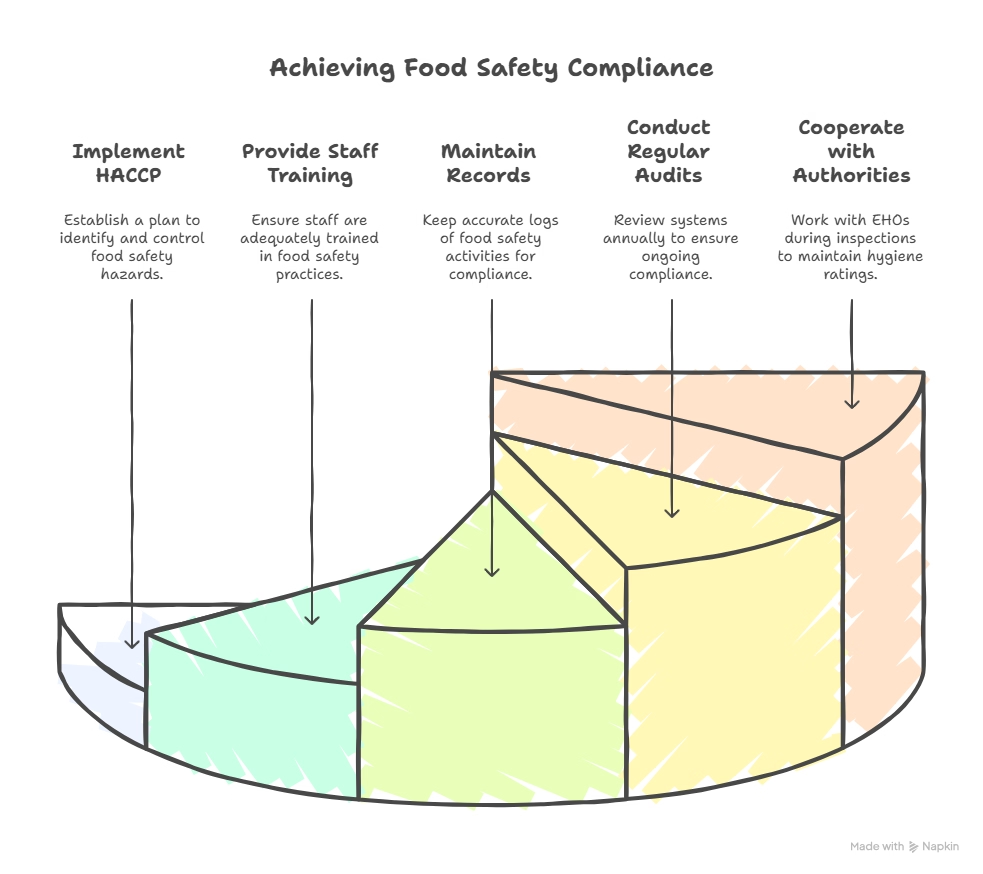
- Implementing HACCP Systems
Every food business must create and maintain a HACCP plan to identify and control hazards such as bacteria, allergens, or chemical contaminants. - Providing Staff Training
Staff must receive training appropriate to their duties. Managers and supervisors should complete a Level 3 qualification to demonstrate competence in food safety management. - Maintaining Records and Documentation
Keep logs of temperatures, cleaning schedules, pest control, and staff training. These records prove due diligence during inspections. - Conducting Regular Audits
Review your systems annually or whenever processes change to ensure continued compliance.
Cooperating with Authorities
Environmental Health Officers (EHOs) carry out routine inspections. Your FSA Food Hygiene Rating depends on their assessment.
The Role of HACCP in Compliance
A HACCP system (Hazard Analysis and Critical Control Point) is the core of UK food safety compliance.
It helps you identify potential hazards and control them before they cause harm.
HACCP principles apply to every stage — from receiving ingredients to serving customers.
Implementing HACCP correctly demonstrates to inspectors that you’re serious about food safety and operational standards.
Learn how to build and apply HACCP plans with the Food Hygiene Level 3 Training (CPD Accredited) or the QLS Level 3 Certificate in Food Hygiene and Safety.
Why Training Matters for Employers
Food safety training is not a tick-box exercise — it’s a compliance requirement and a brand-protection strategy.
Trained staff reduce the risk of contamination, boost efficiency, and ensure your business passes inspections with confidence.
Benefits of Accredited Training:
- Full legal compliance with UK and FSA standards
- Fewer hygiene incidents and customer complaints
- Higher FSA Food Hygiene Rating (4–5 stars)
- Enhanced staff confidence and accountability
Fast-Track Your Compliance Qualification
Apex Learning’s Fast-Track Option lets you complete your Level 3 course in just 4–6 weeks online.
Study anytime, get tutor support, and earn a CPD-accredited or QLS-endorsed certificate that’s recognised across the UK.
External Resources for Employers
Conclusion: Compliance Protects Your Business
Food safety compliance in the UK is about more than avoiding fines — it’s about building trust and protecting your brand.
Employers who prioritise HACCP systems and staff training show commitment to quality and consumer safety.
Take the next step today with accredited training that keeps your business compliant and competitive:
Because in the UK food industry, compliance isn’t a choice — it’s your responsibility.
FAQs
1. What does food safety compliance mean in the UK?
Food safety compliance means following UK laws and standards to ensure all food produced, handled, or sold is safe for consumers. It includes maintaining hygiene, implementing HACCP systems, training staff, and keeping accurate records to satisfy inspections by the Food Standards Agency (FSA).
2. What are the main food safety laws in the UK?
The two key laws are:
- The Food Hygiene (England) Regulations 2013
- Retained EU Regulation (EC) No 852/2004
Together, they require food businesses to have HACCP-based systems, maintain clean premises, and ensure all food handlers are trained and competent.
3. Who is responsible for food safety compliance in a business?
Employers, business owners, and managers are legally responsible for implementing effective food safety systems. They must train staff appropriately, monitor hygiene standards, and provide evidence of compliance during inspections.
4. Is food hygiene training mandatory for UK food businesses?
Yes. Every food handler must receive training suitable for their role.
Supervisors and managers should complete an advanced qualification such as the Food Hygiene Level 3 Training (CPD Accredited) or the Certificate in Food Hygiene and Safety at QLS Level 3 to meet UK legal standards.
" alt="Personal Hygiene in Food Handling: Best Practices for Staff" />
" alt="HACCP Certification: What It Is and Why You Need It" />
" alt="The Role of HACCP in Preventing Foodborne Illness" />