Blog 6 minutes read

Common Food Safety Hazards and How to Control Them

Learn how to detect, prevent, and manage the most common food safety hazards in the UK food industry — essential knowledge for every supervisor and manager.

IT

Isla Thompson

Published May 11, 2026

Common Food Safety Hazards and How to Control Them
arrow

Every year, thousands of people across the UK fall ill from foodborne illnesses caused by unsafe food handling, contamination, or poor hygiene practices. The consequences for businesses can be devastating — from hefty fines and closures to long-term reputational damage.

To avoid these risks, UK food businesses must understand the common food safety hazards and how to control them effectively through HACCP-based management systems. Proper training ensures every member of your team recognises potential hazards and knows how to prevent them.

If you’re responsible for supervising or managing food safety, our Food Hygiene Level 3 Training – CPD Accredited and QLS Level 3 Certificate in Food Hygiene and Safety provides the advanced knowledge you need to protect your business and customers.


What Are Food Safety Hazards?

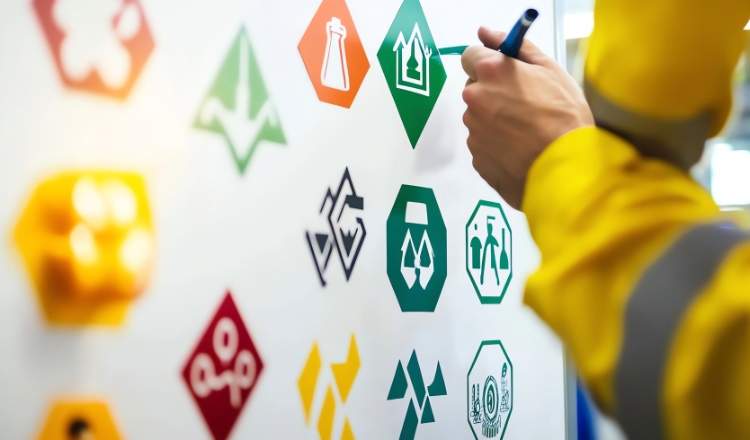
Food safety hazards are any biological, chemical, physical, or allergenic agents that could contaminate food and cause harm when consumed.
Under the Food Hygiene (England) Regulations 2013, all UK food businesses must identify and control these hazards through a HACCP (Hazard Analysis and Critical Control Point) plan.

The Food Standards Agency (FSA) defines four main categories of food safety hazards. Let’s explore each one and how to manage them.

1. Biological Hazards

These are caused by harmful microorganisms such as bacteria, viruses, moulds, and parasites.
Common examples include Salmonella, E. coli, Listeria, and Campylobacter — major causes of food poisoning in the UK.

Control Measures:

  • Cook food to safe temperatures (e.g. poultry to 75°C minimum).
  • Maintain refrigeration below 5°C and freezing below -18°C.
  • Implement strict handwashing, cleaning, and disinfection protocols.
  • Prevent cross-contamination by using colour-coded chopping boards and utensils.

Example:
Undercooked chicken or raw eggs can harbour Salmonella — thorough cooking eliminates this risk

2. Chemical Hazards

These occur when harmful substances enter food during processing, storage, or cleaning.
Examples include cleaning agents, pesticides, or naturally occurring toxins.

Control Measures:

  • Store cleaning chemicals away from food preparation areas.
  • Train staff on correct chemical handling and labelling.
  • Rinse surfaces and utensils thoroughly after cleaning.
  • Source ingredients from trusted, approved suppliers.

Example:
Residues from sanitising sprays on kitchen counters can contaminate ready-to-eat foods if not properly rinsed.

3. Physical Hazards

Physical hazards are foreign objects that can injure or contaminate food, such as glass, plastic, metal, or hair.

Control Measures:

  • Install protective covers on lighting and machinery.
  • Conduct regular equipment checks and maintenance.
  • Implement strict personal hygiene policies (e.g. hairnets, no jewellery).
  • Use sieves, filters, or metal detectors in production lines.

Example:
A broken glass jar contaminating a batch of sauce can trigger a full product recall — effective hazard control prevents this.

4. Allergenic Hazards

Allergens are one of the most serious and legally regulated food hazards in the UK.
The 14 major allergens, as defined by the FSA, include gluten, peanuts, milk, eggs, soy, fish, shellfish, and nuts.

Control Measures:

  • Label all allergens clearly and accurately on packaging and menus.
  • Separate allergenic ingredients during preparation and storage.
  • Clean work surfaces and tools between uses.
  • Train staff on allergen awareness and communication.

Example:
Serving a peanut-containing dessert to a customer with a nut allergy could be fatal — proper labelling and awareness save lives.

How HACCP Helps Control Food Hazards

HACCP provides a systematic approach to controlling food safety hazards before they occur.
By applying its seven principles, businesses can monitor critical control points, establish safety limits, and maintain compliance documentation.

HACCP in Action:

  • Identify hazards and where they may occur.
  • Set critical limits (like temperature or pH).
  • Monitor and record processes.
  • Take corrective actions when necessary.

Every UK food business, regardless of size, must implement a HACCP plan. For step-by-step training, explore our Food Hygiene Level 3 Course (CPD Accredited), which covers HACCP principles, legislation, and best practices.

Fast-Track Your Food Safety Qualification

Want to get qualified faster? Our Fast-Track Option allows you to complete your Level 3 Food Hygiene or QLS Food Safety Certificate in just 4–6 weeks.
Because it’s entirely online, you can study from home, progress at your own pace, and take the assessment whenever you’re ready — perfect for busy professionals or business owners.

Fast-tracking your course helps you stay motivated, qualify sooner, and start applying for roles such as Food Safety Manager, Hygiene Supervisor, or Quality Assurance Officer in a matter of weeks.

External Resources for Credibility

Conclusion: Prevention Is the Best Protection

Food safety is everyone’s responsibility — from kitchen assistants to business owners. Understanding and controlling biological, chemical, physical, and allergenic hazards is essential for public health, legal compliance, and brand reputation.

With accredited HACCP-based training, you can confidently manage risks, maintain food hygiene standards, and protect your customers from harm.

Start your journey today with our industry-recognised courses:

Ensure your business is safe, compliant, and trusted — because in food safety, prevention always pays off.

FAQs

1. What are the main types of food safety hazards?

The four main types of food safety hazards are biological, chemical, physical, and allergenic. Biological hazards come from bacteria and viruses; chemical hazards arise from cleaning products or pesticides; physical hazards include glass, hair, or metal; and allergenic hazards relate to ingredients such as nuts, milk, or gluten.

2. Why is controlling food safety hazards important?

Controlling hazards prevents food contamination, protects public health, and keeps your business compliant with UK regulations such as the Food Hygiene (England) Regulations 2013. Proper control measures also reduce waste, prevent costly recalls, and maintain customer trust.

3. How can I control biological food hazards?

Maintain correct cooking and storage temperatures (e.g., cook poultry to 75 °C, store below 5 °C), prevent cross-contamination with separate utensils, and enforce strict handwashing and cleaning routines. Regular HACCP training helps ensure staff follow these essential practices.

4. What’s the best way to control allergenic hazards?

Clearly label all foods containing allergens, store ingredients separately, and clean all surfaces and equipment between uses. Training staff on allergen awareness through courses like the Food Hygiene Level 3 Training is key to keeping customers safe.

5. Is food safety training mandatory in the UK?

Yes. UK law requires anyone handling or supervising food to be trained in food hygiene. Managers and supervisors should complete an advanced course such as the Certificate in Food Hygiene and Safety at QLS Level 3 to understand and implement HACCP effectively.

6. How often should food safety training be renewed?

The Food Standards Agency recommends refreshing training every three years or sooner if regulations change or new processes are introduced. Regular updates help ensure ongoing compliance and high hygiene standards.

7. What are the penalties for poor food hygiene in the UK?

Businesses that fail to control hazards or meet hygiene regulations risk fines, closures, prosecution, or poor hygiene ratings. Accredited HACCP training reduces these risks by equipping staff with the skills to maintain safe practices and thorough documentation.

8. Where can I get HACCP-based food safety training online?

Apex Learning offers CPD QS Accredited and QLS Endorsed online courses that teach HACCP principles, food safety management, and hazard control — accessible anytime, anywhere in the UK. Enrol today to earn your recognised Level 3 certificate.

Our Blogs

Latest blog posts

The 6 Principles of Safeguarding: Protect Before Harm Happens" alt="The 6 Principles of Safeguarding: Protect Before Harm Happens" />

Would you know what to do if someone showed signs of abuse or neglect? Learn the 6 Principles of Safeguarding in simple words and discover how to recognise risks, report concerns, prevent harm, and protect vulnerable people with safer, more confident decisions.

Personal Development Goals: 5 Practical Examples That Work" alt="Personal Development Goals: 5 Meaningful Examples That Work" />

Want to become more focused, confident, and organised? This guide explains 5 personal development goals that can help you improve time management, communication, emotional intelligence, skill-building, and your daily routine.

TILE in Manual Handling: Meaning, Checklist & Safer Lifting Guide" alt="TILE in Manual Handling: Meaning, Checklist & Safer Lifting Guide" />

Struggling to understand TILE in Manual Handling? This guide breaks down the meaning, checklist and safer lifting steps so you can spot risks before injuries happen.