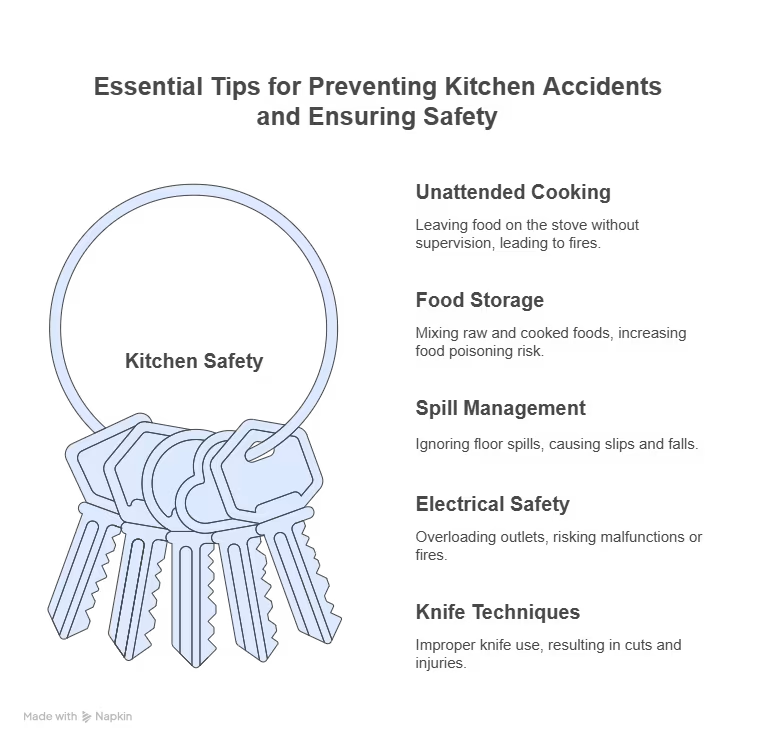
Here are 17+ common kitchen hazards you should be aware of:
- Knife Injuries – Cuts from improper knife use.
- Burns and Scalds – Injuries from hot surfaces and liquids.
- Fire Hazards – Cooking-related fires.
- Food Poisoning – Illness from improper food handling.
- Slips, Trips, and Falls – Accidents from wet floors or clutter.
- Electrical Hazards – Shocks from faulty appliances.
- Improper Cleaning Chemical Use – Exposure to harmful substances.
- Choking Hazards – Small food items causing choking.
- Poor Ventilation – Fumes, smoke, and carbon monoxide poisoning.
- Unsafe Cooking Attire – Loose clothing catching fire.
- Overloaded Electrical Outlets – Fire risk from too many appliances.
- Dirty Sponges and Dishcloths – Bacteria buildup leading to food contamination.
- Improper Food Storage – Spoiled food and cross-contamination.
- Thawing Food Unsafely – Risk of bacteria growth.
- Crowded Workspaces – Collisions and accidents.
- Broken Glass – Cuts from shattered dishes.
- Children in the Kitchen – Risk of burns, cuts, and poisoning.
Now, let’s break down each hazard and how to avoid it.
1. Knife Injuries
Cuts and deep wounds from improper knife handling are common in home kitchens. Dull knives can slip, causing injuries, while improper storage increases the risk of accidental cuts.
Prevention:
- Always use sharp knives and proper cutting techniques. A dull knife is more dangerous because it requires more force.
- Store knives safely in a knife block or on a magnetic strip.
- Use a cut-resistant glove when handling particularly tricky ingredients.
2. Burns and Scalds
Hot surfaces, boiling liquids, and steam can cause severe burns. Frying oil can reach temperatures of 190°C (375°F) and splatter unpredictably.
Prevention:
- Always use oven mitts when handling hot cookware.
- Keep pot handles turned inward to prevent accidental knocks.
- Be cautious when opening steam-heavy containers, such as microwave-heated food.
3. Fire Hazards
Did you know that cooking is the leading cause of home fires, with unattended stoves being the biggest culprit? Unattended cooking, grease build-up, and flammable kitchen materials can lead to fires.
Prevention:
- Never leave stoves or ovens unattended when cooking.
- Keep a fire extinguisher in the kitchen and know how to use it.
- If a grease fire starts, turn off the heat and cover the pan with a lid—NEVER use water.
4. Food Poisoning
Improper food storage, cross-contamination, and undercooked food can lead to serious foodborne illnesses.
Prevention:
- Store raw meat separately from ready-to-eat foods.
- Use a food thermometer to ensure meats are cooked to safe internal temperatures (e.g., chicken: 75°C/165°F).
- Always wash hands and surfaces after handling raw meat or seafood.
5. Slips, Trips, and Falls
Wet floors, spilled liquids, and cluttered spaces can cause dangerous falls.
Prevention:
- Clean up spills immediately to prevent slipping.
- Use non-slip kitchen mats near sinks and cooking areas.
- Keep kitchen walkways clear of obstacles.
6. Electrical Hazards
Water and electricity are a deadly combination. Faulty appliances, frayed cords, and overloaded circuits can result in shocks or fires.
Prevention:
- Keep electrical appliances away from water sources.
- Unplug appliances when not in use.
- Use GFCI outlets to prevent electrical surges.
7. Improper Cleaning Chemical Use
Mixing bleach and ammonia produces toxic gases while ingesting cleaning residues can lead to poisoning.
Prevention:
- Never mix different cleaning agents.
- Store chemicals out of children’s reach.
- Rinse countertops thoroughly after using disinfectants.
8. Choking Hazards
Small food items like nuts, grapes, and hard candy can cause choking, especially in young children.
Prevention:
- Cut food into small, manageable pieces for children.
- Chew food properly before swallowing.
- Learn basic first aid for choking emergencies.
9. Poor Ventilation
Cooking fumes, smoke, and gas leaks can lead to respiratory issues and carbon monoxide poisoning.
Prevention:
- Use an extraction fan or open windows when cooking.
- Install carbon monoxide detectors near gas appliances.
- Have your gas stove checked annually for leaks.
10. Unsafe Cooking Attire
Loose clothing and dangling sleeves can catch fire easily.
Prevention:
- Wear fitted clothing while cooking.
- Avoid scarves or long jewelry near open flames.
- Tie back long hair to prevent it from getting caught in appliances.







 " alt="The 6 Principles of Safeguarding: Protect Before Harm Happens" />
 " alt="Personal Development Goals: 5 Meaningful Examples That Work" />
 " alt="TILE in Manual Handling: Meaning, Checklist & Safer Lifting Guide" />