

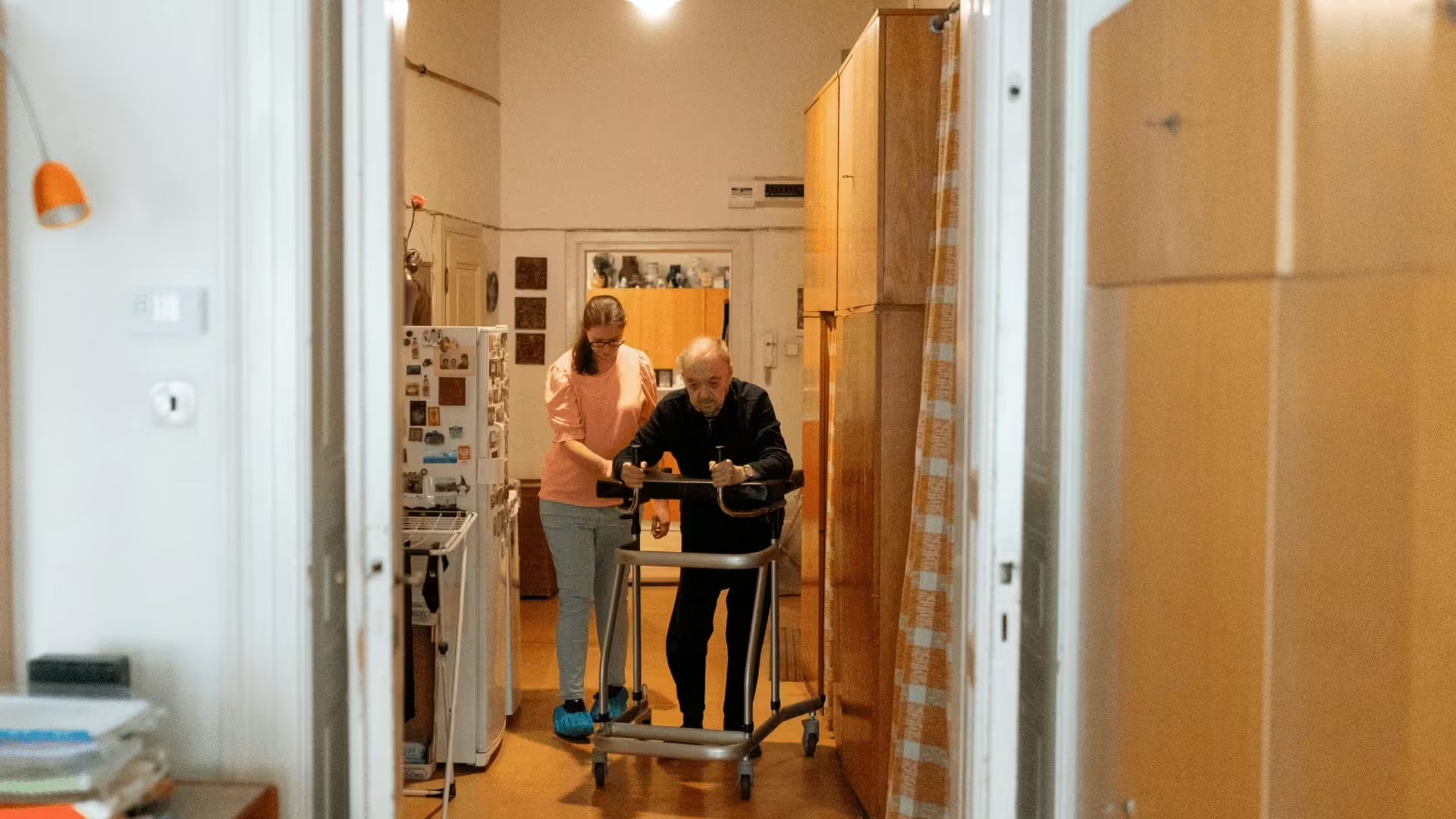

Think a care assistant’s job is just basic support tasks? The reality is often more involved. Understanding the duties of a care assistant is one of the most important steps before deciding if this role is right for you.
In the UK, the duties of a care assistant include supporting personal care, helping with daily activities, assisting healthcare staff, monitoring wellbeing, and maintaining hygiene and safety across different care settings such as care homes, hospitals, and community care.
In this guide, you’ll get a clear, practical breakdown of what the role actually involves, how duties vary by setting, what’s expected day to day, and whether it matches what you’re looking for in a career.
What Are the Duties of a Care Assistant?
The duties of a care assistant involve supporting individuals with daily needs while helping ensure their comfort, safety, and overall wellbeing.
At its core, the role is about providing consistent, person-centred care. This includes assisting with everyday tasks such as personal care, helping with meals, supporting mobility, and making sure individuals feel comfortable and respected in their environment.
Care assistants also play an important role in observing and reporting changes in a person’s condition, as well as working alongside healthcare professionals to maintain a safe and supportive setting. While the tasks may seem routine, they have a direct impact on a person’s quality of life.
The focus is not just on completing tasks, but on how those tasks are carried out—with dignity, patience, and attention to individual needs.
If you’re trying to understand how these responsibilities fit into the wider role, it can help to explore how this is structured within a care assistant certificate pathway before moving into real care environments.
Daily Duties of a Care Assistant in the UK
On a typical day, a care assistant’s duties revolve around supporting individuals with everyday tasks that help them stay comfortable, safe, and cared for.
- Personal care
Helping with washing, dressing, grooming, and maintaining hygiene, often while ensuring dignity and privacy - Feeding and hydration
Assisting with meals, encouraging fluid intake, and making sure individuals are eating safely - Mobility support
Helping individuals move around, reposition safely, or use mobility aids where needed - Emotional support
Providing reassurance, listening, and simply being present—especially for those who may feel anxious or isolated
While these tasks may sound straightforward, the role can be both physically and emotionally demanding. It often involves being on your feet for long periods, adapting to different needs, and staying patient in challenging situations.
At the same time, it’s also one of the most rewarding parts of the job—knowing that your support makes a real difference to someone’s daily life.
Personal Care Responsibilities
Personal care is one of the most important parts of a care assistant’s role, as it directly affects a person’s comfort, health, and dignity.
- Hygiene
Supporting individuals with washing, bathing, oral care, and maintaining overall cleanliness - Dressing
Helping with getting dressed and ensuring clothing is appropriate, comfortable, and suitable for the day - Dignity and privacy
Carrying out all tasks respectfully, making sure individuals feel comfortable and in control as much as possible
These responsibilities require sensitivity and patience, as you’re often assisting people during vulnerable moments. It’s not just about completing the task—it’s about how you do it, ensuring each person feels respected and supported throughout.
Supporting Daily Living and Independence
Supporting daily living is about helping individuals maintain as much independence as possible while still receiving the care they need.
- Encouraging independence
Allowing individuals to do what they can themselves, offering support only where needed - Helping with routines
Assisting with daily activities such as meals, medication reminders, and general day-to-day structure - Building trust
Creating a consistent and supportive relationship so individuals feel comfortable and confident
This part of the role is about balance—providing help without taking away independence. Over time, this approach helps individuals feel more in control of their daily lives while still receiving the support they need.
Communication and Emotional Support
Communication and emotional support are central to how care is delivered, often shaping how comfortable and supported someone feels throughout the day.
- Talking with patients
Explaining what you’re doing, having simple conversations, and helping individuals feel included - Listening
Paying attention to concerns, needs, or changes in mood that may not always be obvious - Reassurance
Offering calm support, especially when someone feels anxious, unwell, or unsure
In many cases, it’s these small interactions that make the biggest difference. Being present and attentive can improve not just a person’s experience, but also their overall wellbeing.
If you want to understand how these skills develop in real situations, our guide on How to Become a Care Assistant UK explores this in more detail.
Health, Safety and Hygiene Duties
Health, safety, and hygiene duties are a core part of a care assistant’s role, helping protect both patients and staff in everyday care settings.
- Infection control
Following hygiene procedures such as handwashing, using protective equipment, and preventing the spread of infection - Maintaining a clean environment
Ensuring living spaces, equipment, and personal areas are kept clean and safe - Risk awareness
Identifying potential hazards and taking steps to prevent accidents or harm
These responsibilities are not just routine—they are essential for maintaining safe care standards. Even small actions, like proper hygiene or spotting a risk early, can have a significant impact on overall wellbeing and safety.
Where Care Assistant Duties Can Vary
Care assistant duties can change depending on where you work, even though the core responsibilities remain similar.
- Care homes
Greater focus on personal care, daily routines, and building long-term relationships with residents - NHS hospitals
More structured environments, supporting nurses and assisting with patient care on wards - Home care
Visiting individuals in their own homes, helping with daily tasks and supporting independence - Clinics
Assisting with basic checks, preparing rooms, and supporting patient flow during appointments
The main difference lies in the pace, level of independence, and type of support required. For example, hospital roles may be faster-paced, while care homes and home care often involve more consistent, one-to-one support.
Understanding these differences can help you decide which setting suits you best.
How Duties Change With Experience
Care assistant duties expand over time as you gain confidence, experience, and a better understanding of care.
- Entry-level tasks
Focus on basic responsibilities such as personal care, supporting daily activities, and following instructions from senior staff - More responsibility over time
As you become more confident, you may work more independently, support a wider range of tasks, and contribute more actively to care delivery - Senior roles
Involve supervising others, assisting with care planning, and handling more complex situations
Progression is usually gradual, with responsibilities increasing as trust builds. Over time, this allows you to move into roles with greater responsibility and potentially higher pay.
Skills Needed to Perform These Duties
To carry out care assistant duties effectively, you need a combination of practical and personal skills that support both patient care and teamwork.
- Communication
Speaking clearly and listening carefully to understand patient needs and pass on important information - Empathy
Being patient and supportive, especially when working with individuals in vulnerable situations - Attention to detail
Noticing small changes in behaviour or health that could be important - Teamwork
Working alongside nurses and other staff to ensure consistent and safe care
These skills help you manage responsibilities confidently and adapt to different care environments.
If you want to see how these skills apply in real situations, our guide on healthcare assistant skills explores this in more detail.
Do You Need Training to Perform These Duties?
You don’t need formal training to start performing care assistant duties, but it can make a significant difference.
Many people begin with no experience, learning on the job as they go. However, having some basic training beforehand helps you understand care standards, communication, and responsibilities more clearly. This can make the transition into real care environments much smoother.
Training also builds confidence. Instead of feeling unsure, you already have a foundation to rely on when handling daily tasks or interacting with patients and staff.
Employers often prefer candidates who show this level of preparation, as it means less initial support is needed and a better understanding of the role from the start.
If you want to see how this preparation fits into starting a career, the care assistant certificate guide explains it in more detail. And for those who prefer a structured starting point, exploring a course can help you build that understanding before stepping into the role.
Is the Role Physically and Emotionally Demanding?
Yes, the role of a care assistant can be both physically and emotionally demanding, especially depending on the setting you work in.
- Physical tasks
The job often involves being on your feet, helping with mobility, assisting with lifting, and supporting individuals throughout the day - Emotional side
You may work with people who are unwell, vulnerable, or going through difficult situations, which can be emotionally challenging at times - Workload
Busy shifts, especially in hospitals or care homes, can require you to manage multiple responsibilities at once
While these challenges are part of the role, many people also find it rewarding. Supporting others and seeing the difference you make can make the work feel meaningful despite the demands.
Common Questions About Care Assistant Duties
What are the main duties of a care assistant?
The main duties include supporting personal care, assisting with daily activities, helping with meals, maintaining hygiene, and providing emotional support.
Do duties vary by setting?
Yes, duties can differ depending on where you work. Care homes focus more on daily routines, while hospitals involve supporting clinical staff and working in a faster-paced environment.
Is it difficult work?
The role can be physically and emotionally demanding, but it becomes more manageable as you gain experience and confidence.
Are clinical tasks included?
Some roles may involve basic clinical support, such as monitoring observations or assisting staff, but this depends on the setting and level of experience.
Can you name 5 key duties of a care assistant?
Personal care, feeding and hydration, mobility support, maintaining hygiene, and providing emotional reassurance.
What are the core duties of a care assistant?
The core duties focus on supporting wellbeing, ensuring safety, and helping individuals with everyday tasks.
What are the duties and responsibilities of a carer?
They include maintaining dignity, following care plans, supporting independence, and ensuring a safe environment.
What are the duties of a healthcare assistant?
Similar to care assistants, healthcare assistants also support patients, assist staff, and help maintain care standards.
What are daily tasks?
Daily tasks include assisting with personal care, meals, mobility, communication, and general support throughout the day.
 " alt="The 6 Principles of Safeguarding: Protect Before Harm Happens" />
 " alt="Personal Development Goals: 5 Meaningful Examples That Work" />
 " alt="TILE in Manual Handling: Meaning, Checklist & Safer Lifting Guide" />