


If you’re wondering why body mechanics matters for nursing assistants, the answer is simple: it helps prevent back injuries, improve patient safety, and promote long-term career longevity. Mastering these techniques can make daily tasks easier and safer.
In this blog, we’ll cover the fundamentals of body mechanics, essential lifting techniques, UK regulations, and tips nursing assistants can implement immediately. By the end, you’ll understand how to protect yourself from workplace injuries while improving patient care.
What Are Body Mechanics?
Body mechanics refers to the way we move and position our bodies to reduce strain on muscles and joints. In healthcare, it means using efficient movement techniques to perform daily tasks safely. This involves proper posture, alignment, and balance when lifting, bending, and carrying.
For example, when assisting a patient from a bed to a wheelchair, maintaining a straight back, bending at the knees, and engaging the leg muscles is crucial. Poor techniques like hunching or twisting can put immense pressure on the lower back, increasing the risk of injuries such as herniated discs or chronic pain.
Why is proper body mechanics important in nursing?
1. Injury Prevention
Nursing assistants frequently suffer from back injuries, joint pain, and muscle strain due to repetitive movements, and so, the urgent need for proper lifting and handling techniques is unquestionable.According to the NHS Staff Survey, nearly one in three NHS workers reported musculoskeletal issues in the past year.
2. Better Patient Care
The Health and Safety Executive (HSE) advises that safe patient handling procedures are essential to prevent unnecessary injuries in healthcare settings.Proper body mechanics also improve patient safety and comfort. Incorrect techniques can lead to falls, skin tears, or discomfort for the patient.
3. Reducing Workplace Absenteeism
Musculoskeletal injuries are a leading cause of sick leave among NHS and care workers. By implementing correct lifting techniques and using available equipment, nursing assistants can stay healthy and reduce time off work.
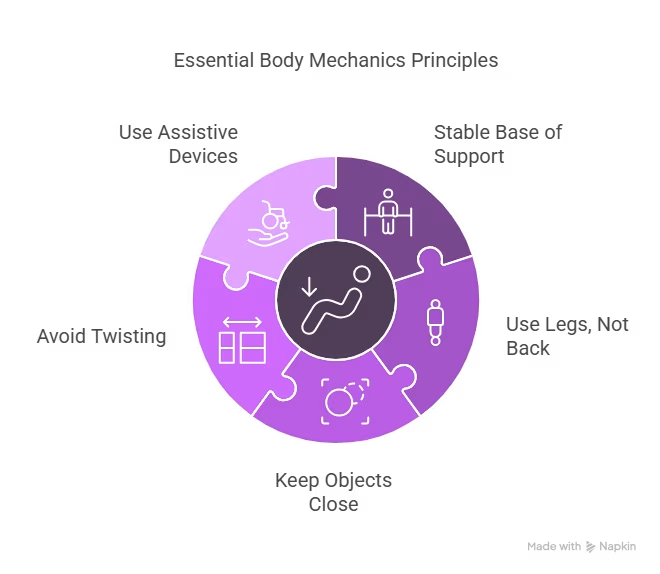
5 Key Principles of Body Mechanics
1. Maintain a Stable Base of Support
- Stand with feet shoulder-width apart for better balance.
- Keep one foot slightly ahead for added stability.
2. Use Your Legs, Not Your Back
- Bend your knees and squat when lifting.
- Engage leg and core muscles to reduce spinal pressure.
3. Keep Objects Close to Your Body
- Holding an object away from your body increases strain.
- Bring the weight close to your center of gravity.
4. Avoid Twisting and Jerky Movements
- Pivot using your feet instead of twisting your spine.
- Lift smoothly and gradually, without sudden movements.
5. Use Assistive Devices
- Equipment such as hoists, transfer belts, and slide sheets should be used whenever possible.

Applying Body Mechanics in Daily Nursing Tasks
1. Transferring Patients
- Adjust the bed height to your waist level to avoid excessive bending.
- Use transfer belts for additional grip and control.
- Communicate with the patient like saying. “On three, we’ll stand up together.”
2. Repositioning in Bed
- Use slide sheets rather than dragging a patient.
- Keep your knees bent and push with your leg muscles, not your back.
- Work with a colleague whenever possible.
3. Lifting and Carrying Equipment
- Test the weight before lifting.
- If an object is too heavy, use a trolley or ask for assistance.
UK Regulations on Manual Handling
The Manual Handling Operations Regulations 1992, under the Health and Safety at Work Act, mandates that employers must minimise manual lifting risks. This means nursing assistants have a legal right to:
- Receive training on safe patient handling.
- Have access to lifting aids and ergonomic equipment.
- Request assistance for tasks exceeding their physical limits.
Employers can face legal consequences if they fail to implement these safety measures, as per HSE regulations.
Manual Handling Training and Certifications for Nursing Assistants
To further improve body mechanics knowledge and safety skills, nursing assistants should consider professional training.
Online Courses and Certifications
Apex Learning offers an accredited Manual Handling Training Course that covers safe lifting techniques, risk assessment, and injury prevention. So, if you want to enhance your patience handling skills while bring safe yourself, this course might be a good start!
FAQ
What should a nursing assistant do if a patient is too heavy to lift alone?
Always ask for help or use assistive equipment rather than attempting to lift a patient alone.
Are there legal guidelines for safe patient handling in healthcare?
Yes, UK law mandates safe patient handling practices, and employers must provide training and equipment to minimise lifting risks.
What equipment can nursing assistants use to move patients safely?
Common aids include gait belts, slide boards, transfer sheets, and mechanical lifts to reduce manual lifting effort.
Can a nursing assistant refuse to lift a patient if it’s unsafe?
Yes, nursing assistants can refuse unsafe lifts and request proper assistance or equipment.
Do employers provide training in proper body mechanics and safe lifting?
Yes, most healthcare employers offer mandatory manual handling training to prevent workplace injuries.
Conclusion
Proper body mechanics is a non-negotiable aspect of a nursing assistant’s role. By following correct techniques, using assistive devices, and staying informed about best practices, nursing assistants can significantly reduce injury risks and provide safer patient care. With musculoskeletal issues being a major concern, prioritising proper movement techniques can ensure long-term health and career longevity.

" alt="The Role of HACCP in Food Manufacturing and Processing" />
" alt="HACCP in Catering and Hospitality: A Complete Guide" />
" alt="Cross-Contamination in Food: Risks and Prevention" />