

Supporting children with autism in schools is a vital part of creating an inclusive and successful learning environment. In the UK, teaching assistants (TAs) play a central role in helping autistic pupils overcome barriers to learning, build confidence, and achieve their potential.
With over 166,000 pupils in England identified with autism as their primary special educational need (SEN), the demand for skilled, SEN-trained teaching assistants has never been higher. Let’s explore how TAs provide support, the strategies they use, and why specialist training is essential.
The Vital Role of Teaching Assistants in Autism Support
Teaching assistants are often the first point of personalised support for children with autism. Their work goes beyond classroom help—they provide emotional reassurance, practical strategies, and tailored interventions to ensure pupils feel included.
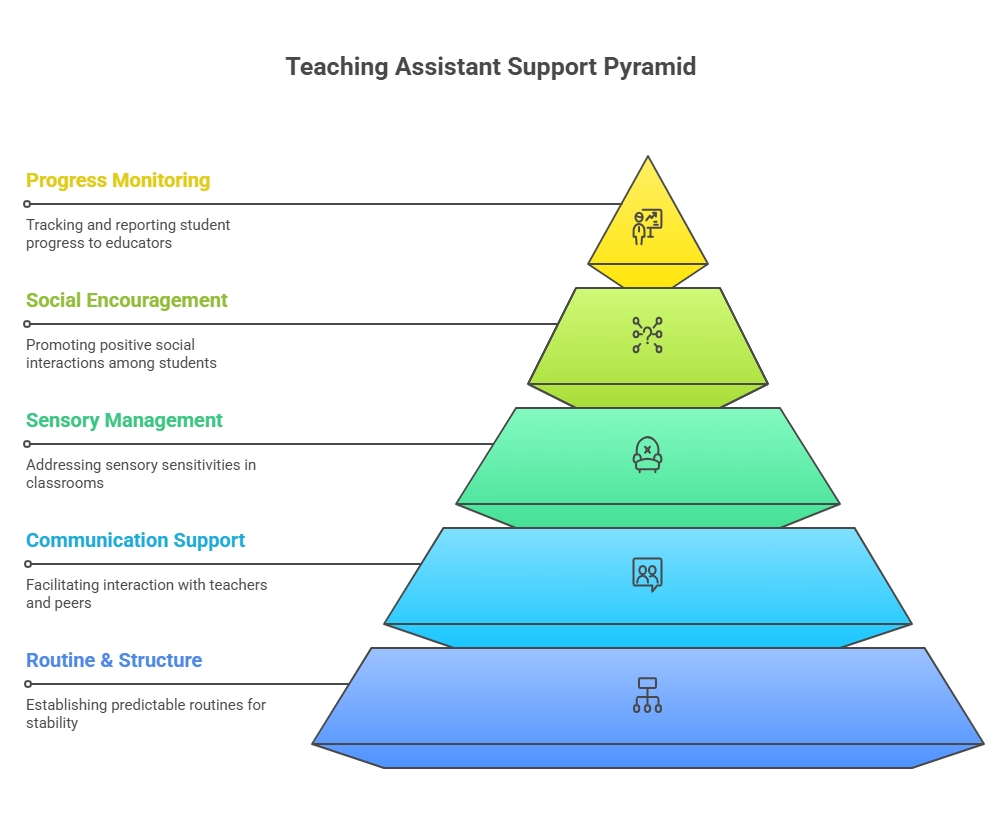
Key responsibilities include:
- Establishing predictable routines and structure.
- Supporting communication with teachers and peers.
- Managing sensory sensitivities in busy classrooms.
- Encouraging positive social interactions.
- Monitoring progress and reporting to teachers or SENCOs.
Classroom Strategies for Autism Support
1. Creating Structure and Routine
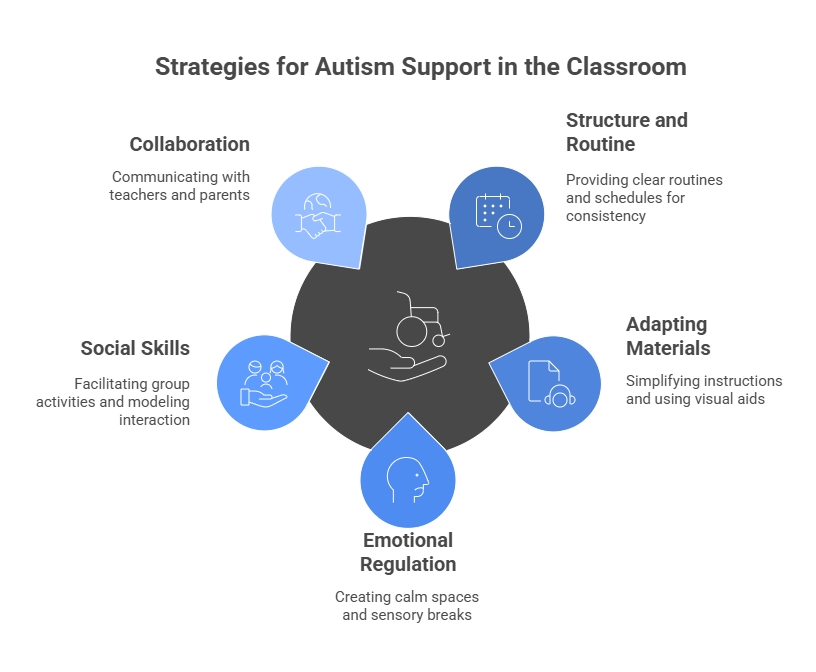
Autistic pupils thrive in environments with clear routines. TAs often use visual timetables and structured schedules to provide reassurance and consistency.
2. Adapting Learning Materials
TAs make lessons accessible by simplifying instructions, using visual aids, or offering alternative resources that cater to individual learning needs.
3. Supporting Behaviour and Emotional Regulation
When children experience anxiety or sensory overload, teaching assistants apply strategies such as calm spaces, sensory breaks, and positive reinforcement techniques.
4. Building Social Skills
Group activities can be challenging for autistic pupils. TAs encourage participation by facilitating small-group work and modelling social interaction.
5. Working with SENCOs and Parents
Collaboration is essential. TAs communicate progress and challenges with teachers, SENCOs, and parents to ensure joined-up support inside and outside the classroom.
Skills Every TA Needs for Autism Support
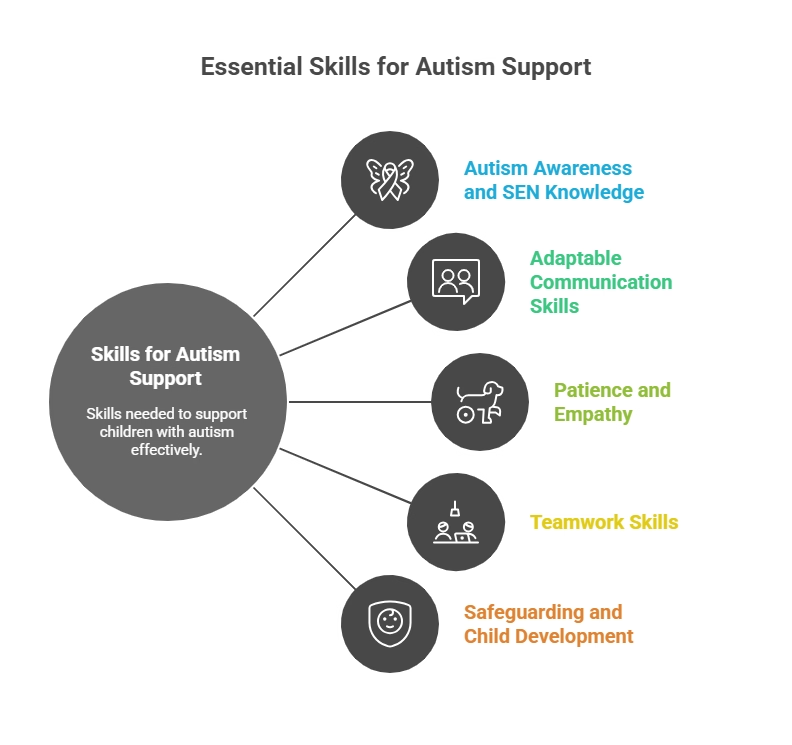
To be effective in supporting children with autism, teaching assistants should develop:
- Autism awareness training and SEN knowledge.
- Adaptable communication skills (visual, verbal, and non-verbal).
- Patience and empathy for handling challenging behaviours.
- Teamwork skills to work with teachers and external specialists.
- A strong understanding of safeguarding and child development.
📌 If you want to build these skills, the Autism Awareness Training Online course offers CPD-accredited learning that schools across the UK recognise.
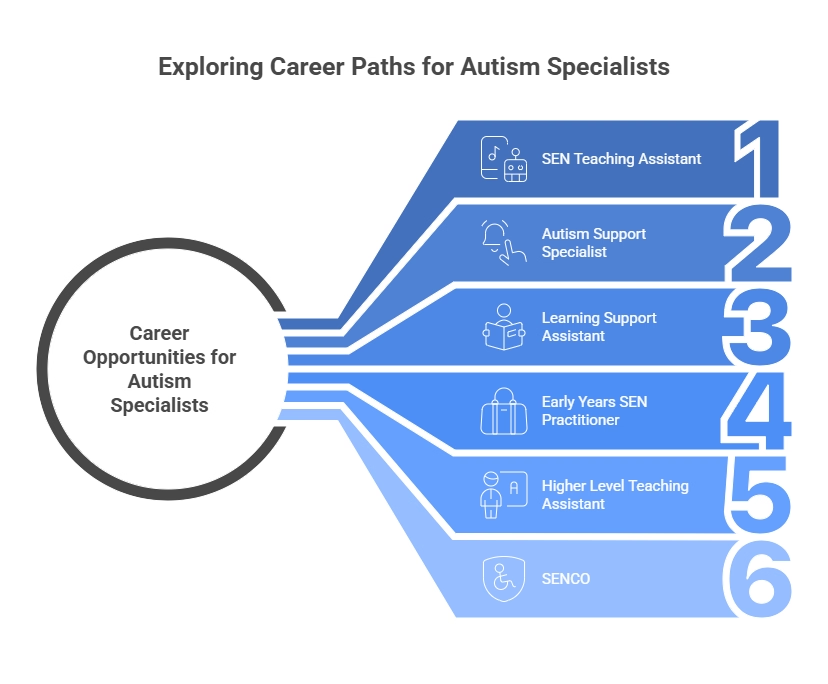
Career Opportunities for TAs Specialising in Autism
Completing specialist training opens up diverse roles in UK schools and SEN settings:
- SEN Teaching Assistant (£18,000–£26,000/year)
- Autism Support Specialist (£20,000–£28,000/year)
- Learning Support Assistant (LSA) (£16,000–£23,000/year)
- Early Years SEN Practitioner
With experience and further qualifications, you could progress to Higher Level Teaching Assistant (HLTA) or SENCO roles, which carry higher responsibility and pay.
Why Specialist Training is Essential
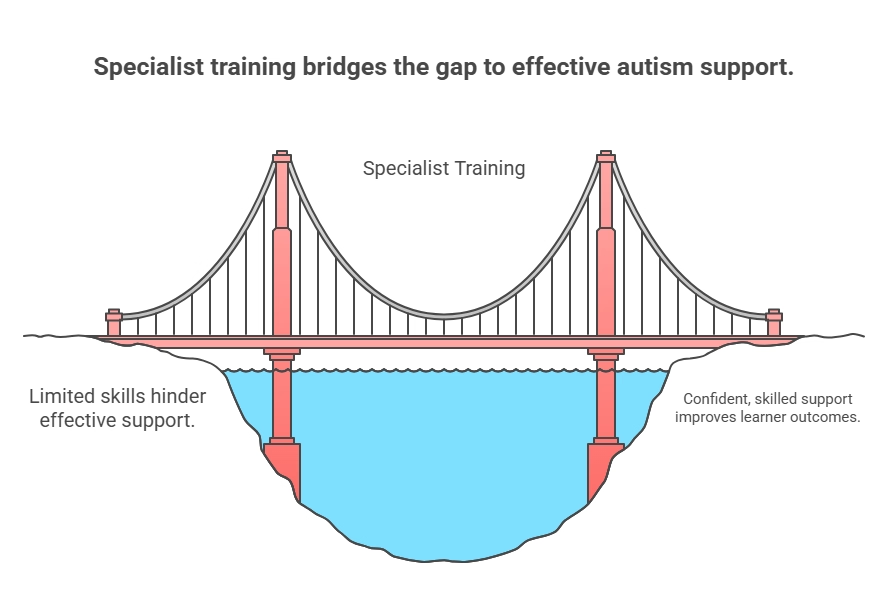
While natural patience and empathy are vital, formal SEN and autism training equips TAs with proven classroom strategies and nationally recognised credentials. Training ensures you can:
- Provide evidence-based support for autistic learners.
- Gain confidence in behaviour management and safeguarding.
- Improve employability in a highly competitive education sector.
👉 Start your journey with our Autism Awareness Training Online course and develop the expertise UK schools are looking for.
🎓 Conclusion
Teaching assistants are key to unlocking success for children with autism in UK schools. By providing structure, adapting lessons, supporting behaviour, and working with teachers and parents, they make inclusive education a reality.
With the demand for SEN-trained staff growing every year, there has never been a better time to upskill.
👉 Take the next step in your career with the Autism Awareness Training Online course and become a teaching assistant who truly makes a difference.
FAQs About Teaching Assistant Qualifications
1. How do teaching assistants help autistic pupils in UK classrooms?
They provide one-to-one support, adapt learning materials, manage behaviour, and help pupils with social interaction and communication.
2. Do I need specialist training to support autistic children?
While not mandatory, autism awareness and SEN qualifications significantly increase your effectiveness and employability.
3. Can TAs work independently with autistic pupils?
Yes. Many schools assign TAs to provide dedicated one-to-one or small-group support for autistic learners.
4. What career roles are available for TAs specialising in autism?
You can become an SEN TA, Autism Support Worker, LSA, HLTA, or progress to SENCO.
5. Is autism training included in TA courses?
Yes. Accredited courses often include autism, ADHD, dyslexia, and safeguarding modules to prepare you for SEN roles.
Advance your career in education with Appex Learning’s nationally recognised teaching assistant qualifications. Start with the Advanced Teaching Assistant Diploma, designed for aspiring TAs who want to build strong classroom skills and SEN knowledge. Then progress to the Level 4 Certificate for Higher Level Teaching Assistants (HLTA) — preparing you to take on senior responsibilities such as leading small groups, supporting pupils with special educational needs, and delivering planned lessons confidently in UK classrooms.
" alt="The 6 Principles of Safeguarding: Protect Before Harm Happens" />
" alt="Personal Development Goals: 5 Meaningful Examples That Work" />
" alt="TILE in Manual Handling: Meaning, Checklist & Safer Lifting Guide" />