



Introduction
Teaching assistants (TAs) are the backbone of UK classrooms, providing essential support to teachers and helping children reach their full potential. According to the Department for Education, there are now over 280,000 teaching assistants working across England’s schools — and demand continues to rise annually.
But what makes a great teaching assistant truly stand out? Beyond qualifications, there are key teaching assistant skills that every successful TA must develop. Whether you’re aspiring to join this rewarding profession or looking to upskill, mastering these skills will put you on the path to career success.
👉 Looking to gain a recognised qualification? Explore our Complete Teaching Assistant Diploma Level 3 for CPD-accredited, SEN-focused training.
1. Communication & Interpersonal Skills
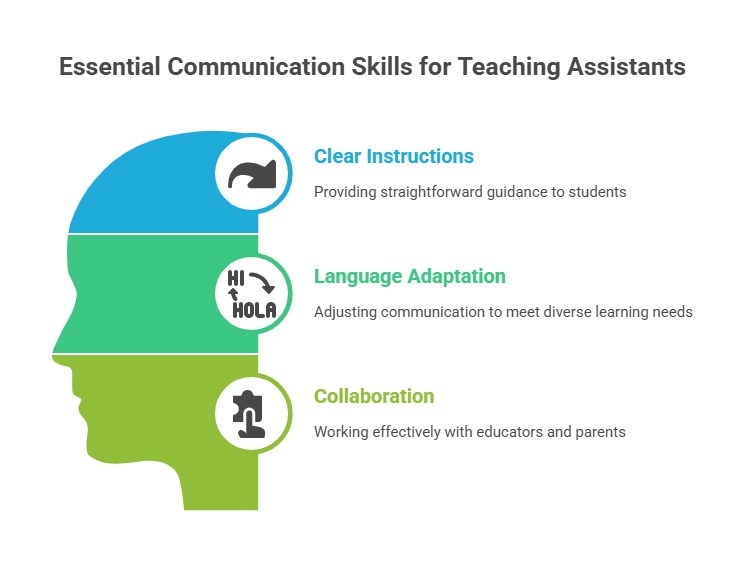
Clear communication is at the heart of classroom success. Great teaching assistants know how to:
- Communicate instructions clearly to pupils.
- Adapt language to suit children with varying learning abilities.
- Collaborate effectively with teachers, SENCOs, and parents.
A TA who listens actively and communicates with empathy can build strong relationships and create a supportive learning environment. Clear communication is at the heart of classroom success, and it is one of the most important teaching assistant skills in UK schools. A great teaching assistant must be able to express themselves in a way that is easy for pupils of all abilities to understand. This means giving clear, concise instructions, using positive body language, and adapting communication styles to suit different age groups and learning needs. For example, pupils with SEN, such as autism or dyslexia, may require visual cues, simplified language, or additional explanation to stay fully engaged in lessons.
Equally important is the ability to build strong interpersonal relationships. A TA who listens actively and communicates with empathy can foster trust and create a safe, supportive learning environment where pupils feel confident to ask questions and participate. Beyond working with children, teaching assistants must also collaborate effectively with teachers, SENCOs, and parents to ensure consistent support inside and outside the classroom.
By developing outstanding communication and interpersonal skills, teaching assistants not only enhance pupils’ learning experiences but also contribute to a more inclusive, harmonious classroom environment — making them indispensable to the education system.
Enhance your professional expertise with Apex Learning’s Advanced Diploma in Speech Therapy and SEN Teaching Assistant at QLS Level 7, designed to further develop your skills and career prospects.
2. Classroom Management & Behaviour Support
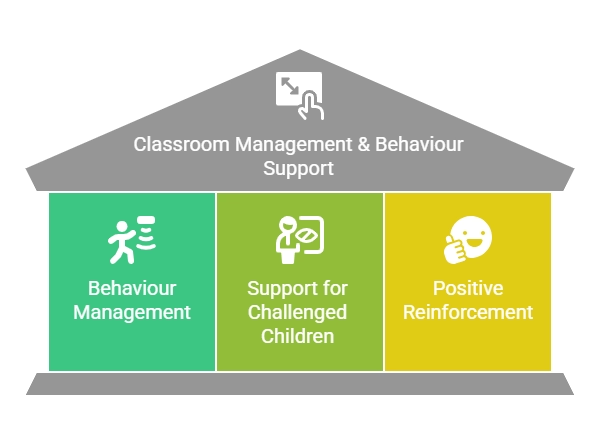
Maintaining a positive, structured classroom is vital. Effective TAs:
- Help manage classroom behaviour and set boundaries.
- Support children with behavioural challenges.
- Use positive reinforcement to encourage participation.
Research shows that effective classroom management significantly improves pupil engagement and outcomes. Clear communication is at the heart of classroom success, and it is one of the most important teaching assistant skills in UK schools. A great teaching assistant must be able to express themselves in a way that is easy for pupils of all abilities to understand. This means giving clear, concise instructions, using positive body language, and adapting communication styles to suit different age groups and learning needs. For example, pupils with SEN, such as autism or dyslexia, may require visual cues, simplified language, or additional explanation to stay fully engaged in lessons.
Equally important is the ability to build strong interpersonal relationships. A TA who listens actively and communicates with empathy can foster trust and create a safe, supportive learning environment where pupils feel confident to ask questions and participate. Beyond working with children, teaching assistants must also collaborate effectively with teachers, SENCOs, and parents to ensure consistent support inside and outside the classroom.
By developing outstanding communication and interpersonal skills, teaching assistants not only enhance pupils’ learning experiences but also contribute to a more inclusive, harmonious classroom environment — making them indispensable to the education system.
Enrol in the Advanced Teaching Assistant Diploma course to strengthen your skills and advance your professional development.
3. SEN Knowledge & Inclusive Practices
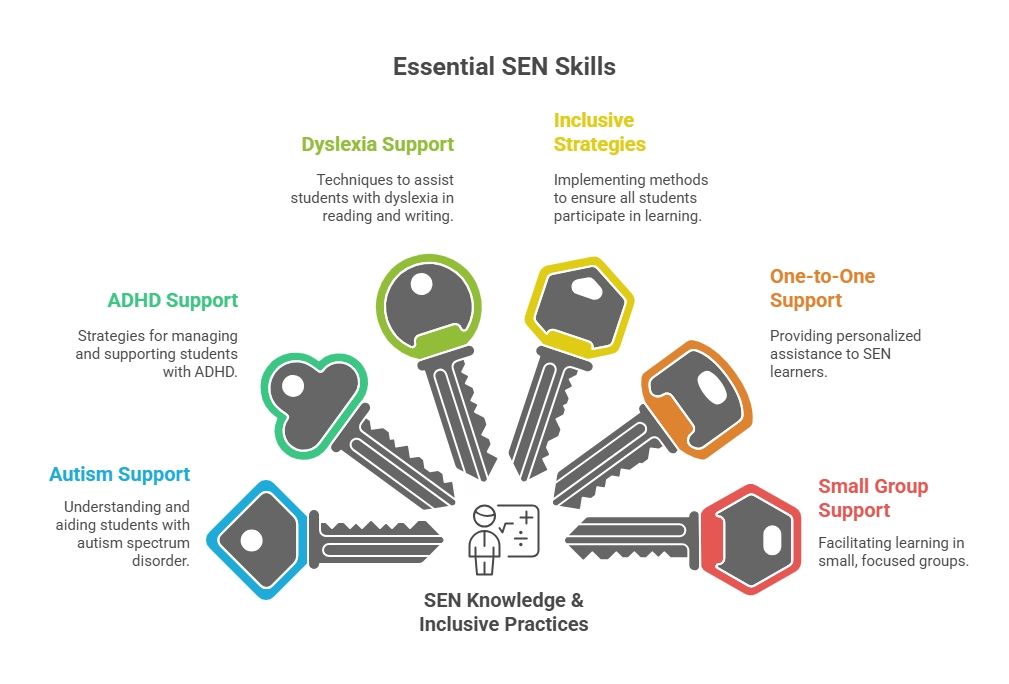
With growing numbers of pupils requiring SEN support, today’s teaching assistants must be well-versed in:
- Supporting children with autism, ADHD, and dyslexia.
- Implementing inclusive learning strategies.
- Working one-to-one or in small groups with SEN learners.
Specialist knowledge in SEN can set you apart in the job market and make you indispensable in UK schools.
The SEN Teaching Assistant Course will support your advanced learning and equip you with specialised skills to work effectively with pupils who have special educational needs.
4. Patience & Emotional Intelligence
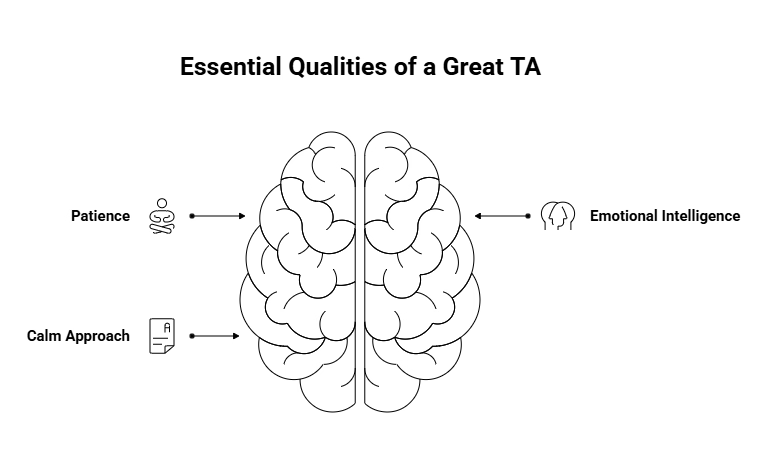
Children learn at different paces. A great TA demonstrates:
- Patience when working with pupils who need extra help.
- Emotional intelligence to recognise and manage pupils’ feelings.
- A calm and supportive approach during challenging situations.
Patience isn’t just a trait — it’s a professional skill that helps build trust and boost children’s confidence. Every child learns in their unique way and at their own pace. A great teaching assistant understands this and demonstrates patience when working with pupils who require extra time, repetition, or alternative strategies to grasp new concepts. Patience allows a TA to create a stress-free environment where children feel supported rather than pressured, which is vital for building confidence and resilience in learning.
Equally important is emotional intelligence — the ability to recognise, understand, and respond appropriately to pupils’ emotions. Whether it’s calming an anxious child, encouraging a shy learner, or managing moments of frustration, emotional intelligence enables TAs to handle situations with sensitivity and empathy.
By combining patience with emotional awareness, teaching assistants provide pupils with the reassurance they need to thrive. This calm and supportive approach doesn’t just benefit the individual child but contributes to a more positive and inclusive classroom atmosphere overall.
5. Organisational Skills & Flexibility
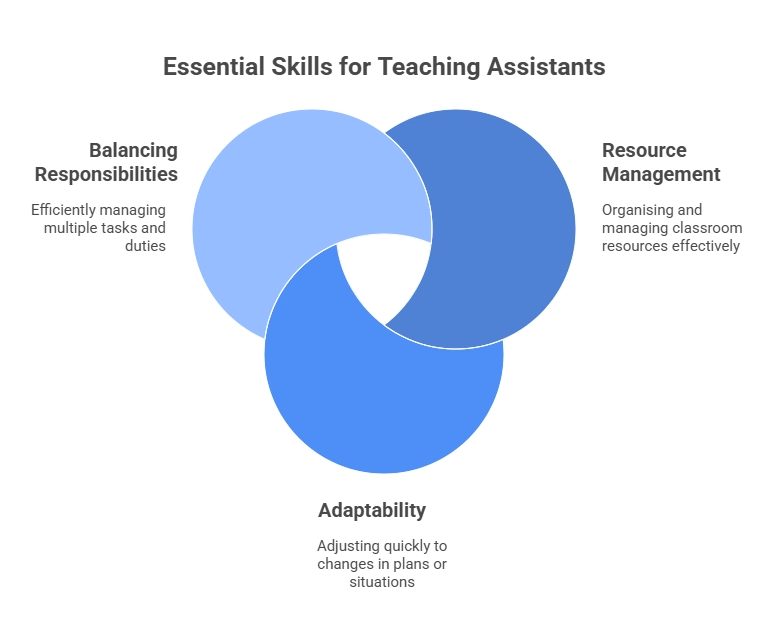
Classrooms are dynamic environments. TAs must be able to:
- Organise resources, activities, and learning aids.
- Adapt quickly when plans change.
- Balance multiple responsibilities efficiently.
The ability to stay flexible and well-organised ensures lessons run smoothly and teachers receive the support they need.
6. Safeguarding Knowledge & Child Protection
Safeguarding is a non-negotiable responsibility for every TA. This includes:
- Understanding safeguarding policies and procedures.
- Recognising signs of neglect or abuse.
- Reporting concerns to the appropriate staff immediately.
Safeguarding is one of the most critical responsibilities for every teaching assistant, as children’s safety and well-being must always come first. A skilled TA has a clear understanding of safeguarding policies and procedures set out by their school and the wider education sector. This includes being able to recognise early signs of neglect, abuse, or emotional distress, and knowing the correct steps to take when a concern arises.
Importantly, safeguarding isn’t just about spotting problems — it’s also about creating a safe, supportive environment where pupils feel valued and protected. A TA must act with vigilance, professionalism, and confidentiality, ensuring that concerns are reported immediately to the designated safeguarding lead (DSL).
The National Careers Service highlights safeguarding and child protection as core skills for teaching assistants in the UK, making it a non-negotiable area of expertise for anyone seeking to work in education.
7. Teamwork & Collaboration
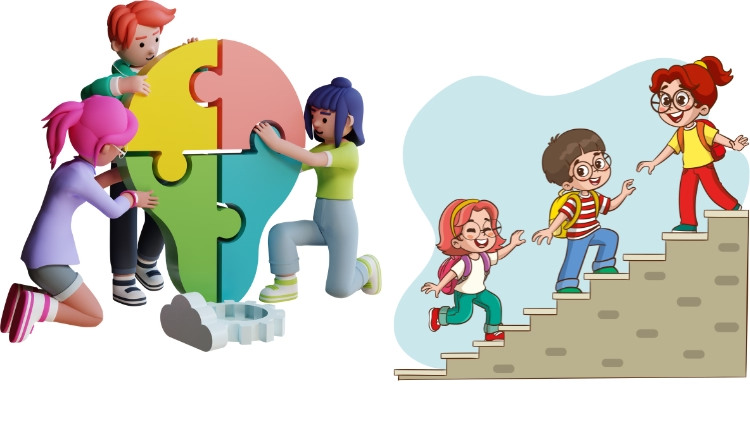
Great teaching assistants are team players. They:
- Work closely with teachers to deliver effective lessons.
- Share insights with SEN specialists and support staff.
- Collaborate with parents to reinforce learning outside school.
Teamwork ensures that every child receives consistent, high-quality support.
8. Creativity & Problem-Solving
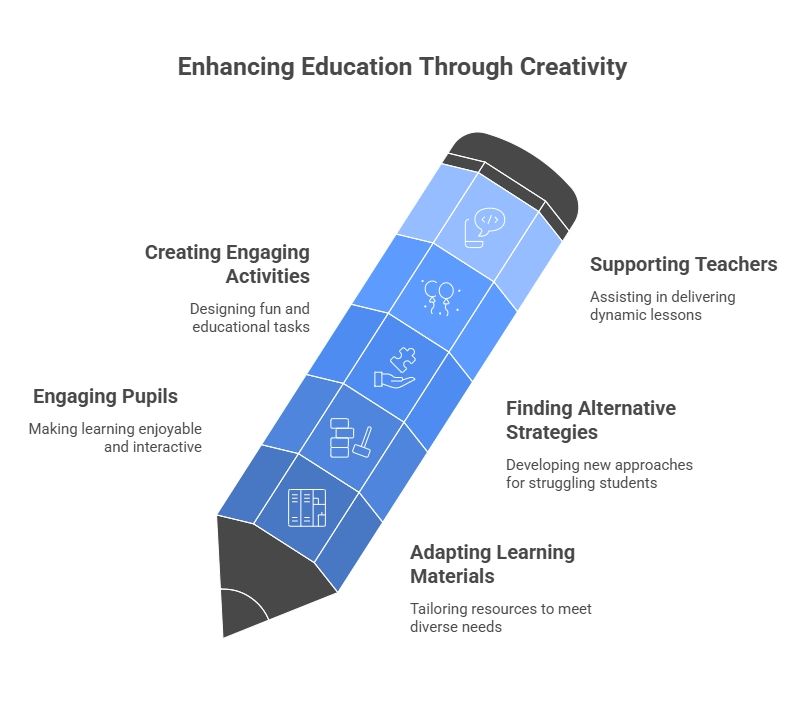
From adapting learning materials to engaging pupils with fun activities, creativity is a powerful skill. Problem-solving enables TAs to:
- Find alternative strategies when a child struggles with a concept.
- Create engaging activities that make learning enjoyable.
- Support teachers in delivering dynamic, interactive lessons.
Creativity is one of the most valuable skills a teaching assistant can bring into the classroom. It allows you to design learning experiences that go beyond textbooks and capture children’s attention in exciting and meaningful ways. Whether it’s adapting worksheets into visual aids, using games to reinforce key concepts, or introducing hands-on activities for SEN pupils, creativity ensures every child has the chance to engage and succeed.
Equally vital is problem-solving, as no two days in the classroom are ever the same. A skilled TA knows how to think quickly and find alternative strategies when a child is struggling with a subject. This might mean breaking lessons into smaller steps, offering practical demonstrations, or providing one-to-one support. By combining creativity with problem-solving, teaching assistants not only make learning enjoyable but also help teachers deliver dynamic lessons that inspire and support every pupil.
Why These Skills Matter for Your Career
Developing these essential teaching assistant skills doesn’t just benefit pupils — it also opens up a wide range of rewarding career opportunities within the UK education sector. With the right expertise, you’ll be well-prepared for roles such as a Teaching Assistant (TA) in primary or secondary schools, a Special Educational Needs (SEN) Teaching Assistant supporting children with autism, ADHD, or dyslexia, or a Classroom Support Worker/Learning Support Assistant (LSA) providing tailored learning support. These positions are in high demand across UK schools, offering stability, career growth, and the chance to make a meaningful impact every day. On average, teaching assistants earn between £18,000 and £25,000 per year, while SEN specialists often command higher salaries due to their specialist knowledge and the increasing demand for inclusive education. Strengthening these skills ensures not only job readiness but also long-term career progression in the education sector.
How to Gain These Skills
While some teaching assistant skills can naturally be developed through classroom experience, the fastest and most effective way to build expertise and confidence is through structured professional training. A recognised qualification not only equips you with the practical skills schools demand but also gives you the confidence to apply them effectively in real-world settings.
Professional courses provide step-by-step guidance in areas such as safeguarding, SEN support, child development, and classroom management — skills that are often difficult to master fully on the job alone. With an accredited programme, you gain access to expert-designed modules, interactive learning materials, and scenarios that prepare you for challenges you will face in UK classrooms.
In addition, completing a CPD-accredited and QLS-endorsed teaching assistant course shows employers that you have invested in your professional development and are fully committed to working in education. This makes your CV stand out, increases your employability, and opens the door to specialist roles such as SEN teaching assistant or higher-level teaching assistant (HLTA).
✔️ Enrol in our Complete Teaching Assistant Diploma Level 3 — a CPD-accredited online course designed to equip you with the SEN expertise, safeguarding knowledge, and classroom management skills that employers in UK schools demand.
References
- Department for Education – School Workforce Statistics (2024): Gov.uk
- TES – The Importance of Classroom Management: TES Education
- National Careers Service – Teaching Assistant Overview: National Careers Service
Final Thoughts
Being a teaching assistant is more than just supporting lessons — it’s about shaping young lives, fostering inclusion, and creating brighter futures. By developing the skills outlined above, you’ll not only become a valuable asset in any UK classroom but also build a rewarding and future-proof career.
📌 Ready to start your journey? Secure your spot on the Complete Teaching Assistant Diploma Level 3 today and take the first step towards your dream role in education.
Frequently Asked Questions (FAQs)
- What qualifications do I need to become a teaching assistant in the UK?
You don’t always need formal qualifications to start as a TA, but most schools prefer candidates with a Level 2 or Level 3 Teaching Assistant Diploma. Having CPD-accredited or QLS-endorsed training increases your employability and prepares you for SEN support roles. - Do teaching assistants need SEN training?
Yes. With the rise in children requiring additional support, SEN training (Autism, ADHD, Dyslexia) is highly valued. Many schools now prioritise SEN-trained teaching assistants when hiring. - How much do teaching assistants earn in the UK?
The average UK teaching assistant salary ranges from £18,000 to £25,000 per year, while SEN teaching assistants can earn between £20,000 and £28,000, depending on experience and location. - Can I train as a teaching assistant online?
Absolutely. Many providers, including Apex Learning, offer flexible online teaching assistant courses that are CPD-accredited and recognised by UK employers. - 5. What is the career progression for teaching assistants?
After gaining experience, you can progress to Higher Level Teaching Assistant (HLTA), SENCO, or roles in early years and SEN support, all of which offer higher pay and responsibility.
Conclusion
Becoming a great teaching assistant isn’t just about supporting lessons — it’s about mastering the skills that truly make a difference in children’s lives. From communication and classroom management to SEN expertise, safeguarding, and creativity, these skills will not only help pupils thrive but also boost your career prospects in UK schools.
👉 Ready to start your journey? Enrol Complete Teaching Assistant Diploma Level 3 today and take the first step towards a future-proof career as a qualified teaching assistant.


 " alt="The 6 Principles of Safeguarding: Protect Before Harm Happens" />
 " alt="Personal Development Goals: 5 Meaningful Examples That Work" />
 " alt="TILE in Manual Handling: Meaning, Checklist & Safer Lifting Guide" />