


Blog 5 minutes read

Teaching Assistant Roles Explained: From Classroom to SEN Support

Discover key teaching assistant roles in UK schools — from classroom support to SEN assistants. Learn responsibilities, salaries, and career paths.


IT

Isla Thompson

Published August 21, 2025

Teaching Assistant
arrow

Introduction

Teaching assistants (TAs) are the unsung heroes of UK classrooms, providing vital support to teachers and pupils alike. According to the Department for Education, there are now over 280,000 teaching assistants working across England’s schools — and demand continues to grow every year DfE, 2024.

But not all teaching assistant roles are the same. From general classroom support to special educational needs (SEN) assistance, each role carries unique responsibilities, skills, and career opportunities.

👉 If you’re serious about building a career in education, consider enrolling in our Level 3 Teaching Assistant Course Online — a CPD-accredited programme designed to meet UK school requirements.

1. General Classroom Teaching Assistant

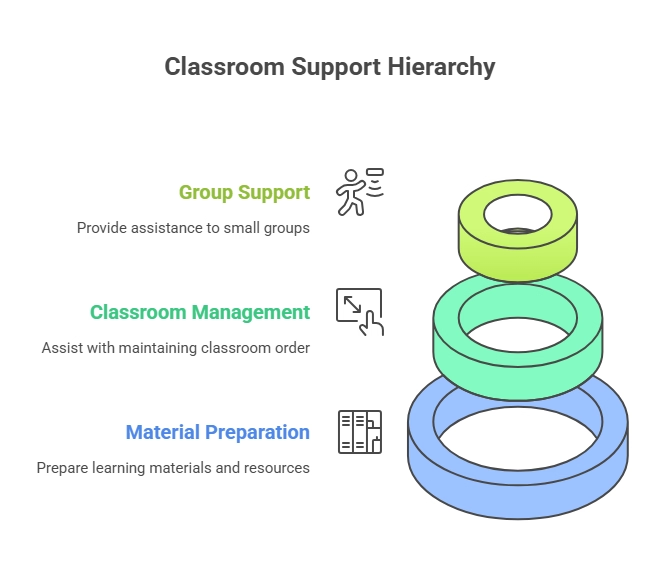
The most common TA role is classroom support. Here, you work alongside teachers to:

  • Prepare learning materials and resources.
  • Assist with classroom management.
  • Provide one-to-one or small group support.

This role is often the entry point for aspiring teaching assistants and is highlighted by the National Careers Service as one of the most accessible routes into education National Careers Service.

2. SEN Teaching Assistant

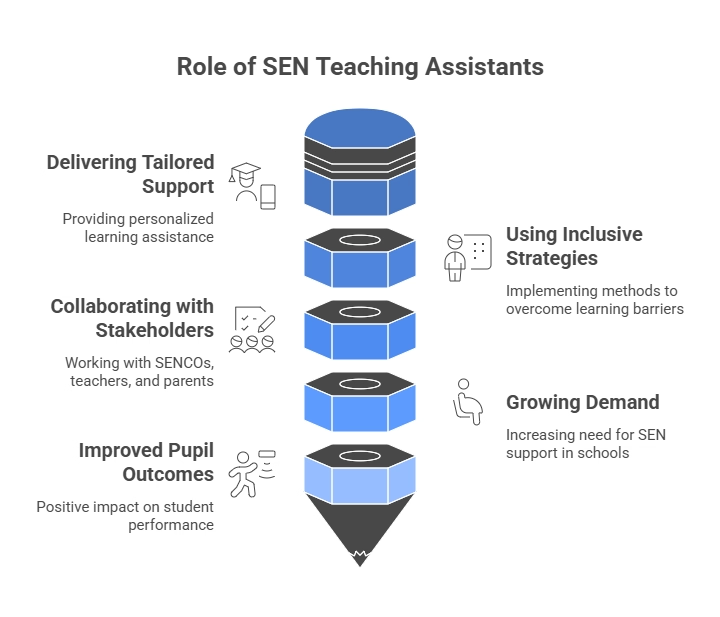
An SEN Teaching Assistant supports pupils with additional needs such as autism, ADHD, or dyslexia. Responsibilities include:

  • Delivering tailored learning support.
  • Using inclusive strategies to overcome learning barriers.
  • Collaborating with SENCOs, teachers, and parents.

With SEN support in growing demand, SEN TAs are increasingly sought after in UK schools. TES Education highlights that schools with well-trained SEN support staff see significant improvements in pupil outcomes, TES Magazine.

Enhance your knowledge and skills with Apex Learning courses such as:

3. Early Years Teaching Assistant

An Early Years Teaching Assistant works with children aged 0–5, supporting their first steps in education through play-based learning and structured activities. Key responsibilities include helping children develop early literacy and numeracy skills, encouraging social and emotional growth, and ensuring every child feels safe and supported. Early years TAs also play a crucial role in safeguarding and child protection, making sure children’s wellbeing is prioritised. Patience, creativity, and strong interpersonal skills are essential for this role, as early years education forms the foundation for lifelong learning and confidence both inside and outside the classroom.

4. Higher Level Teaching Assistant (HLTA)

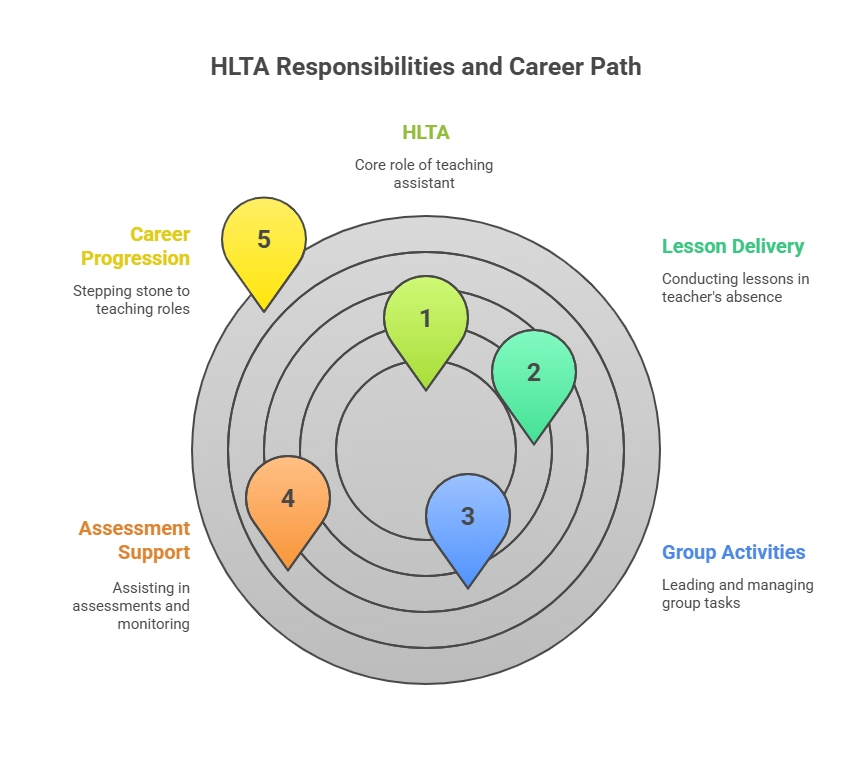
Holders of HLTA status take on greater responsibility, including:

  • Delivering lessons when teachers are absent.
  • Leading group activities.
  • Supporting assessments and pupil monitoring.

Many HLTAs use this role as a stepping stone to teacher training or SENCO positions.

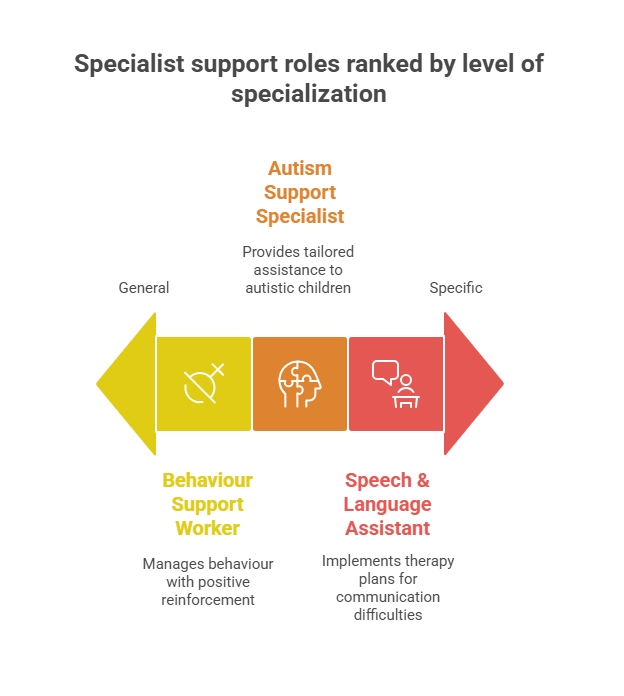
5. Specialist Support Roles

Some teaching assistants choose to specialise in areas that require advanced skills and training. These roles are vital in providing focused support to pupils with specific needs:

  • Behaviour Support Worker – Helps pupils manage behavioural challenges by applying positive reinforcement strategies, supporting classroom routines, and working with teachers to develop behaviour intervention plans. They play a key role in creating calm, structured learning environments.

  • Autism Support Specialist – Provides tailored assistance to children on the autism spectrum, including adapting resources, supporting social interaction, and developing personalised learning strategies. They often work closely with SENCOs and parents to ensure consistent progress.

  • Speech & Language Assistant – Supports pupils with speech, language, and communication difficulties by implementing therapy plans designed by speech and language therapists. They help children improve confidence, participation, and classroom engagement.

These advanced roles usually require higher-level qualifications, such as a QLS-endorsed diploma, and are highly valued within UK schools.

Career Progression & Salaries

Teaching assistants in the UK typically earn between £18,000 – £25,000 per year, while SEN specialists and HLTAs can earn up to £28,000+. With experience, many progress to roles such as HLTA, SENCO, or Early Years Practitioner.

👉 To strengthen your CV and open doors to these career paths, the Level 3 Teaching Assistant Course Online equips you with SEN, safeguarding, and classroom skills employers demand.

Why Training Matters

While some skills can be gained on the job, completing a recognised teaching assistant course ensures you have the knowledge, SEN expertise, and safeguarding awareness that schools demand.

 ✔️ CPD Accredited Training recognised across the UK.
✔️ Flexible online study, perfect for busy schedules.
✔️ SEN-focused modules covering autism, ADHD, and dyslexia.
✔️ Certification that strengthens your CV and employability.

👉 Take the next step with our Level 3 Teaching Assistant Course Online and prepare for a rewarding career in education.

Conclusion

Teaching assistant roles are diverse — from general classroom support to SEN-focused positions — but all are vital for ensuring inclusive education. By understanding these roles and gaining the right qualifications, you can choose the path that suits your career goals while making a lasting difference in pupils’ lives.

With UK schools facing rising demand for TAs, now is the best time to gain a nationally recognised qualification and step into one of the most rewarding careers in education.

Frequently Asked Questions (FAQs)

  • What are the main types of teaching assistant roles in the UK?
    The most common roles include general classroom assistants, SEN teaching assistants, early years TAs, and higher-level teaching assistants (HLTAs). Each role has unique responsibilities and progression opportunities.
  • Do I need qualifications to become a teaching assistant?
    While some entry-level roles don’t require formal qualifications, most schools prefer candidates with a Level 2 or Level 3 Teaching Assistant Diploma, especially for SEN roles. Accredited training makes you more employable.
  • What does an SEN teaching assistant do?
    An SEN TA provides additional support for pupils with special educational needs such as autism, ADHD, or dyslexia. This may include one-to-one support, adapting learning resources, and working closely with teachers and SENCOs.
  • How much can I earn as a teaching assistant in the UK?
    Salaries typically range from £18,000 to £25,000 per year, with SEN specialists and HLTAs earning up to £28,000+ depending on experience and school type.
  • Can I train as a teaching assistant online?
    Yes. Many CPD-accredited providers, such as Apex Learning, offer flexible online teaching assistant courses that are recognised by UK employers and allow you to study at your own pace.

Our Blogs

Latest blog posts

The 6 Principles of Safeguarding: Protect Before Harm Happens" alt="The 6 Principles of Safeguarding: Protect Before Harm Happens" />

Would you know what to do if someone showed signs of abuse or neglect? Learn the 6 Principles of Safeguarding in simple words and discover how to recognise risks, report concerns, prevent harm, and protect vulnerable people with safer, more confident decisions.

Personal Development Goals: 5 Practical Examples That Work" alt="Personal Development Goals: 5 Meaningful Examples That Work" />

Want to become more focused, confident, and organised? This guide explains 5 personal development goals that can help you improve time management, communication, emotional intelligence, skill-building, and your daily routine.

TILE in Manual Handling: Meaning, Checklist & Safer Lifting Guide" alt="TILE in Manual Handling: Meaning, Checklist & Safer Lifting Guide" />

Struggling to understand TILE in Manual Handling? This guide breaks down the meaning, checklist and safer lifting steps so you can spot risks before injuries happen.