

Teaching Assistant Qualifications
Teaching assistants (TAs) are one of the most in-demand roles in UK schools, with thousands of new vacancies opening each year. According to the Department for Education, there are now over 280,000 teaching assistants working across primary, secondary, and SEN schools in England alone, and demand is rising. Recent figures show that more than 35,000 new TA positions are created annually, making it one of the fastest-growing support roles in education.
If you’re passionate about helping children thrive in the classroom, becoming a teaching assistant can be a rewarding and future-proof career choice. One of the first questions most aspiring candidates ask is: “What qualifications do I need to be a teaching assistant in the UK?”
The good news is that there isn’t just one rigid pathway. Many schools are open to flexible entry routes, meaning you can start supporting teachers and pupils even if you don’t yet hold formal qualifications. However, gaining a recognised certificate—such as a Level 2 Award in Supporting Teaching & Learning or a Level 3 Teaching Assistant Diploma (CPD Accredited) can significantly boost your employability and help you stand out to headteachers.
Today, you can even complete these TA qualifications entirely online at your own pace, making it easier than ever to retrain, upskill, or prepare for your first school-based role. Whether you’re a school leaver, career changer, or parent looking to return to work, the right training will give you the confidence, skills, and recognition to thrive in the classroom.
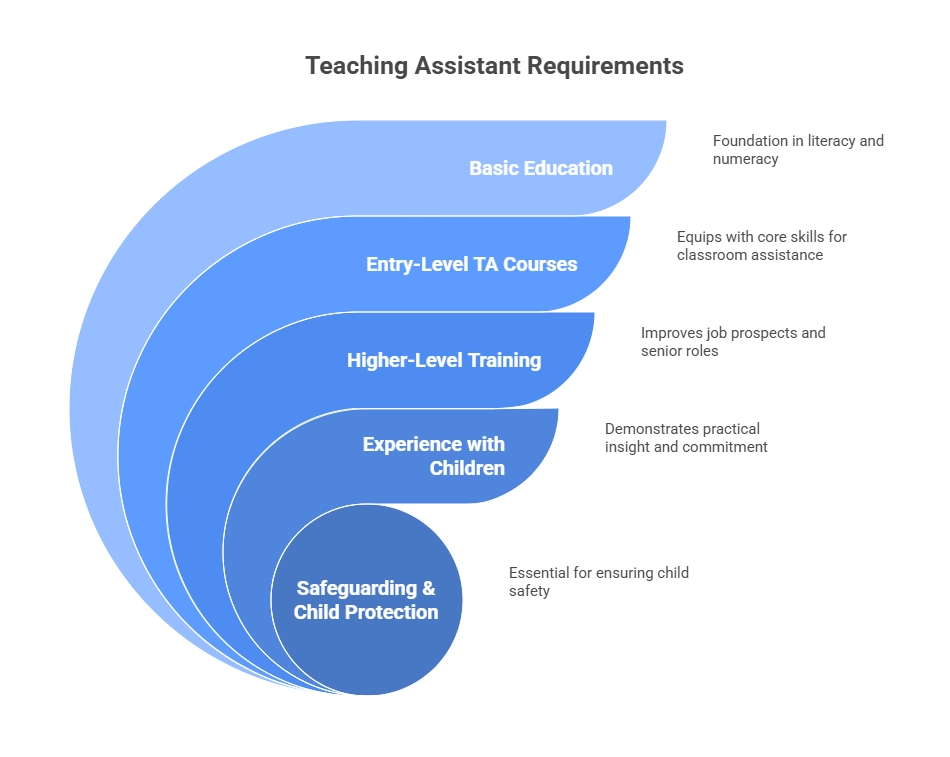
Minimum Requirements to Become a Teaching Assistant
While becoming a teaching assistant in the UK doesn’t always require a degree, most schools do look for some minimum qualifications and skills. Meeting these requirements not only helps you secure your first role but also builds the foundation for a long-term career in education support.
✅ Basic Education
Most schools expect candidates to hold GCSEs (or equivalent) in English and Maths at Grades 9–4 (A*–C). Strong literacy and numeracy skills are essential for supporting pupils with their learning.
✅ Entry-Level TA Courses
An accredited Level 2 Award in Supporting Teaching & Learning is often the starting point. This course equips you with the core skills necessary to support teachers and provide effective classroom assistance(NCFE).
✅ Higher-Level Training
Progression to a Level 3 Teaching Assistant Diploma (CPD Accredited) is highly recommended if you want to improve your job prospects and apply for more senior positions. Many schools list a Level 3 qualification as desirable or even essential.
✅ Experience with Children
Hands-on experience makes a big difference. Volunteering in schools, nurseries, after-school clubs, or youth groups demonstrates your commitment and gives you practical insight into working with children.
✅ Safeguarding & Child Protection
Safeguarding knowledge is non-negotiable in UK schools. Having an understanding of safeguarding policies, child protection, and health & safety can set you apart and reassure employers that you’re prepared for real classroom responsibilities(UK Gov Guidance: Keeping Children Safe in Education).
Can You Become a Teaching Assistant Without Qualifications?
One of the most common questions aspiring TAs ask is: “Can I become a teaching assistant without qualifications?” The answer is yes—in many cases, you can.
A growing number of schools across the UK are open to hiring teaching assistants through apprenticeships, internships, or entry-level support roles. These positions allow you to train on the job, gain real classroom experience, and work towards a recognised qualification while you earn. For example, a Teaching Assistant Apprenticeship (Level 3) is a popular route that combines practical school-based work with structured learning.
That said, while it’s possible to start without formal qualifications, completing a CPD-accredited teaching assistant course—such as a Level 2 Award in Supporting Teaching & Learning or a Level 3 Teaching Assistant Diploma—will dramatically improve your employability. Schools often receive many applications for each TA role, and having a recognised qualification can help you stand out from other candidates.
Another advantage of online CPD training is flexibility. You can study at your own pace from home, fit learning around your current job or family commitments, and build the confidence and skills you’ll need before stepping into a classroom. By investing in training early, you’ll not only improve your chances of getting hired but also be better prepared for challenges such as SEN support, safeguarding, and classroom management.
So, while it’s possible to become a teaching assistant without qualifications, the smartest path is to combine hands-on experience with recognised training. This balance gives you the best of both worlds—practical skills and certified knowledge—making you a highly attractive candidate for schools across the UK.
source:(Institute for Apprenticeships).
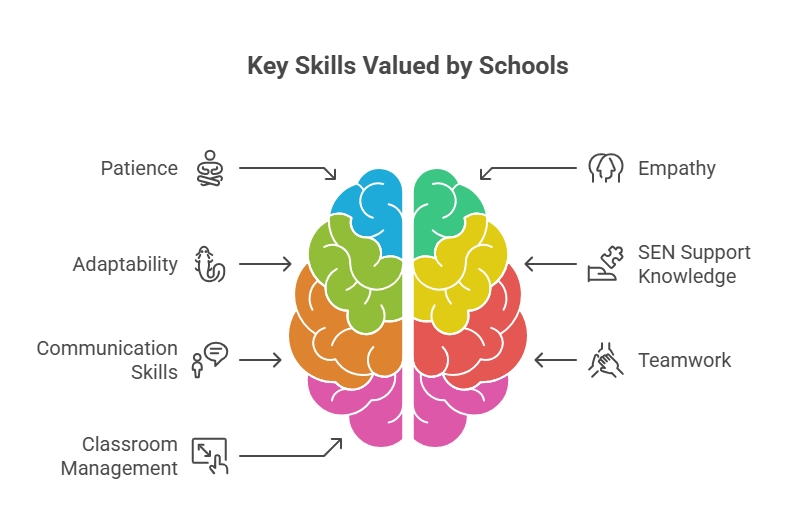
Essential Skills Schools Look For
Beyond qualifications, headteachers value skills such as:
- Patience, empathy, and adaptability.
- Knowledge of SEN support (Autism, ADHD, Dyslexia).
- Strong communication skills with children and parents.
- Teamwork and classroom management abilities.
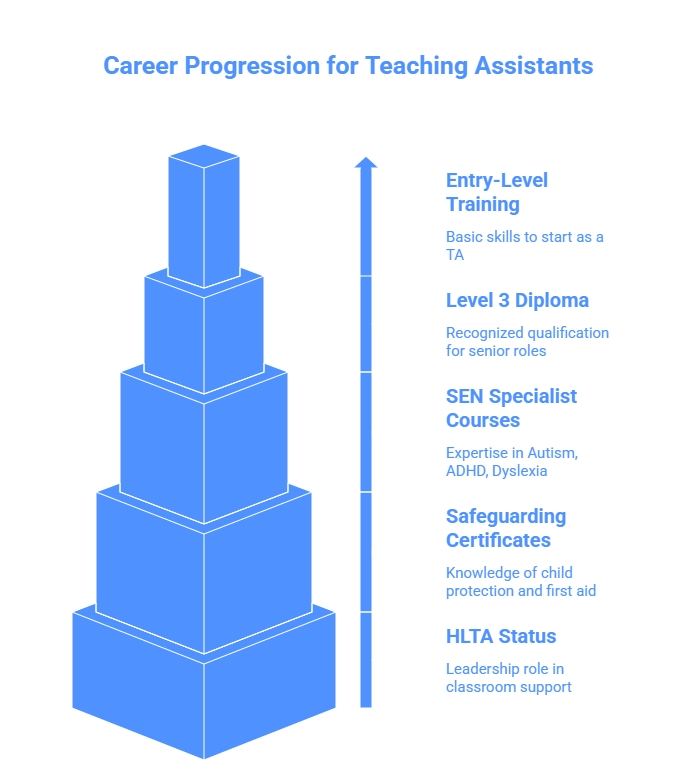
Recommended Qualifications for Career Progression
If you’re serious about building a long-term career as a teaching assistant, gaining additional qualifications can set you apart from other candidates and open doors to higher-paying, more specialised roles. While entry-level training is enough to get started, the following qualifications are highly recommended for career progression:
🎓 Level 3 Diploma in Supporting Teaching & Learning
This is one of the most recognised qualifications across UK schools. A Level 3 Teaching Assistant Diploma prepares you for more responsibility in the classroom and is often listed as a requirement for senior TA positions.
🧩 SEN Specialist Courses
With the growing demand for SEN-trained teaching assistants, completing specialist training in Autism, ADHD, Dyslexia, and behavioural support can make you a highly sought-after candidate. SEN expertise not only boosts employability but also allows you to make a greater impact in inclusive classrooms. Training in Autism, ADHD, and Dyslexia boosts demand, with SEN pupil numbers rising to 1.6 million in England (2024) (DfE – Special Educational Needs).
🛡️ Safeguarding & First Aid Certificates
Every school needs staff with up-to-date knowledge of safeguarding, child protection, and emergency first aid. These certificates reassure employers that you’re prepared for real-life classroom challenges and can be trusted with pupil wellbeing.
⭐ HLTA (Higher Level Teaching Assistant) Status
If you want to take on more leadership within the classroom, working towards Higher Level Teaching Assistant (HLTA) status is an excellent step. HLTAs often lead small groups, deliver planned lessons, and provide valuable support to teachers—sometimes even covering classes in their absence.
Why Qualifications Matter for Teaching Assistants
Gaining recognised teaching assistant qualifications is one of the most effective ways to strengthen your career prospects in education. Not only do they increase employability in competitive school applications, but they also open doors to a wide range of opportunities across nurseries, primary schools, secondary schools, and SEN settings. Having the right training boosts your confidence and classroom readiness, ensuring you can support both teachers and pupils effectively from day one. In addition, qualifications often lead to higher salaries, promotions, and specialist roles such as SEN support or HLTA positions, making them an invaluable investment in your future.
How to Get Qualified Quickly
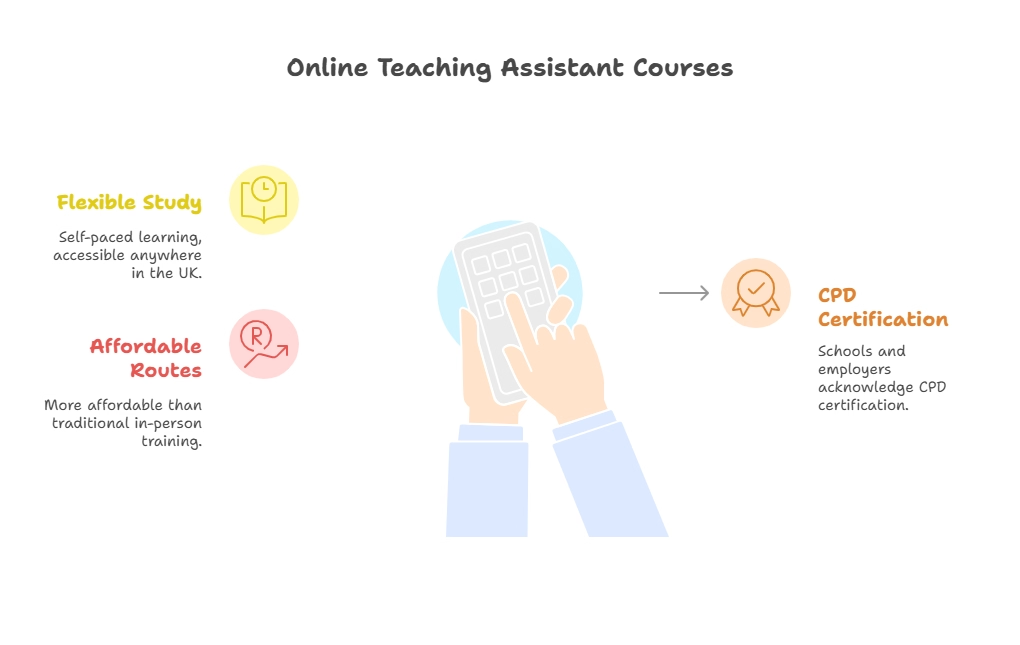
Online teaching assistant courses offer:
- Flexible study (self-paced, anywhere in the UK).
- Schools and employers recognise CPD certification.
- Affordable routes compared to in-person training.
Final Thoughts
To become a teaching assistant in the UK, you don’t always need formal qualifications, but having a Level 2 or Level 3 Teaching Assistant Diploma (CPD Accredited) gives you a clear advantage. With the rising demand for SEN-trained teaching assistants, gaining the right certifications now can set you apart and secure your place in a fulfilling education career.
FAQs About Teaching Assistant Qualifications
1. Do you need GCSEs to become a teaching assistant?
Most schools expect GCSEs (or equivalent) in English and Maths at Grades 9–4 (A*–C). However, some entry-level roles or apprenticeships may accept candidates who are willing to study these alongside a TA qualification.
2. Can I become a teaching assistant without qualifications?
Yes, you can start through apprenticeships or entry-level school support roles. However, completing a recognised Level 2 or Level 3 TA course greatly improves your employment chances.
3. What is the best qualification for a teaching assistant?
The Level 3 Diploma in Supporting Teaching & Learning is the most widely recognised qualification for career progression, often preferred by UK schools.
4. Do I need SEN training to be a teaching assistant?
Not always, but SEN training (Autism, ADHD, Dyslexia awareness) is highly desirable and can set you apart from other candidates, as SEN-trained TAs are in high demand.
5. How much do teaching assistants earn in the UK?
Entry-level TAs typically earn around £18,000–£21,000 per year, while experienced or Level 3/HLTA-qualified assistants can earn £23,000–£28,000+, depending on location and responsibilities.
6. Is online teaching assistant training accepted by schools?
Yes – as long as the course is CPD-accredited or recognised by awarding bodies, online training is accepted by UK schools and is a flexible way to qualify.
Conclusion
Becoming a teaching assistant in the UK is a rewarding, flexible, and future-proof career choice, especially with the growing demand for support staff across schools. While it is possible to start without formal qualifications, gaining recognised training such as a Level 2 Award in Supporting Teaching & Learning or a Level 3 Teaching Assistant Diploma will give you a strong advantage in the job market. Adding specialist skills in SEN support, safeguarding, and first aid can further boost your employability and open doors to higher-level roles such as HLTA.
By investing in the right training now, you’ll not only increase your chances of landing your first role but also build a career that makes a genuine difference in children’s lives.
Advance your career in education with Appex Learning’s recognised teaching assistant qualifications. Begin with the Focus Awards Level 3 Award in Supporting Teaching and Learning in Schools, ideal for aspiring TAs, and progress to the Level 4 Certificate for Higher Level Teaching Assistants (HLTA) to take on senior responsibilities such as leading groups, supporting SEN pupils, and delivering planned lessons in UK classrooms.
" alt="The 6 Principles of Safeguarding: Protect Before Harm Happens" />
" alt="Personal Development Goals: 5 Meaningful Examples That Work" />
" alt="TILE in Manual Handling: Meaning, Checklist & Safer Lifting Guide" />