



Blog 6 minutes read

How to Become a Teaching Assistant in the UK – Step-by-Step Guide

Learn how to become a teaching assistant in the UK with our step-by-step guide. Discover TA qualifications, SEN training, salaries & fast-track career options.


IT

Isla Thompson

Published May 11, 2026

How to Become a Teaching Assistant in the UK – Step-by-Step Guide
arrow

Introduction

Thinking about becoming a teaching assistant in the UK? You’re not alone. With schools facing a growing demand for classroom support, teaching assistants (TAs) have become the backbone of the education system.

According to the Department for Education, there are now over 280,000 teaching assistants employed in schools across England alone, with 35,000+ new vacancies created each year. This makes it one of the fastest-growing careers in education.

The best part? You don’t need a degree to get started. With the right training, you can step into the classroom, support children’s learning, and build a rewarding career in education.

In this step-by-step guide, we’ll cover everything you need to know about how to become a teaching assistant in the UK, including:

  • What the role involves.
  • Entry requirements and DBS checks.
  • Which qualifications do employers expect?
  • Gaining experience through placements and volunteering.
  • How to apply for jobs and progress your career.

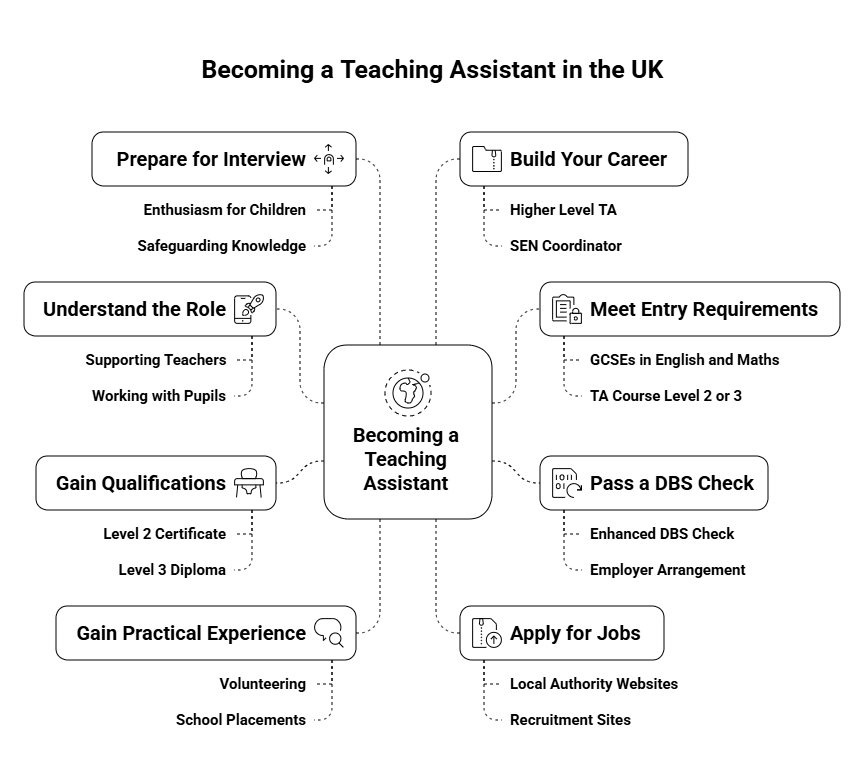
Step 1: Understand the Role of a Teaching Assistant

A teaching assistant’s role goes far beyond just “helping the teacher.” TAs are crucial for creating inclusive classrooms and ensuring every child has the support they need.

Common duties include:

  • Supporting teachers with lesson preparation and classroom organisation.
  • Working one-to-one with pupils who need extra help.
  • Running small group sessions for literacy and numeracy.
  • Assisting children with Autism, ADHD, Dyslexia, and other SEN needs.
  • Ensuring that safeguarding policies are always followed.

👉 If you want to be fully prepared, courses like the Complete Teaching Assistant Diploma Level 3 (TA, SEN, Autism, ADHD & Dyslexia) provide a clear understanding of these responsibilities and offer specialist SEN training.

Step 2: Meet the Entry Requirements

Unlike teaching roles, teaching assistants don’t require a degree. Entry is accessible and flexible:

  • Basic education: Most schools prefer at least GCSEs in English and Maths.
  • Qualifications: A Level 2 or Level 3 Teaching Assistant course is often required.
  • Experience: Volunteering in schools, childcare, or SEN settings helps build credibility.

💡 Many learners start with online training, such as our Level 3 TA Diploma, which is designed for beginners and recognised by schools across the UK.

Step 3: Pass a DBS Check

To work with children, you’ll need a Disclosure and Barring Service (DBS) check.

  • A DBS check ensures you have no criminal record that would prevent you from working in schools.
  • Most schools require an Enhanced DBS because TAs work closely with children and vulnerable young people.

Your employer will usually arrange this, but if you’re applying independently, you can request one through the UK Government DBS service.

Step 4: Gain the Right Qualifications

Employers prefer candidates who hold a recognised teaching assistant qualification. Here are the main options:

  • Level 2 Certificate in Supporting Teaching & Learning – for those just starting.
  • Level 3 Teaching Assistant Diploma – the most common and widely recognised.
  • Specialist SEN training – focusing on Autism, ADHD, and Dyslexia.

👉 The Complete Teaching Assistant Diploma Level 3 combines both general TA skills and SEN expertise, giving you a competitive advantage when applying for jobs.

How to Become a Teaching Assistant in the UK – Step-by-Step Guide - visual selection

Step 5: Gain Practical Experience

Practical classroom experience is essential. Employers want to see that you can apply your skills in real-world settings.

You can gain experience by:

  • Volunteering at local schools.
  • Assisting in nurseries, after-school clubs, or youth centres.
  • Taking part in school placements (some TA courses include these).

Even unpaid placements can make a huge difference to your CV and confidence.

Step 6: Apply for Teaching Assistant Jobs

Once qualified, you’re ready to apply for roles. Here’s where to find them:

  • Local authority and council websites.
  • Recruitment sites like Tes Jobs and Indeed.
  • Direct applications to schools and academies.

UK teaching assistant salaries typically range from:

  • £18,000 – £25,000/year for general TA roles.
  • £20,000 – £28,000/year for SEN specialists.
  • More for Higher Level Teaching Assistants (HLTAs).

Step 7: Prepare for the Interview

Schools look for more than just qualifications. To succeed in interviews, you should:

  • Show enthusiasm for working with children.
  • Give examples of supporting pupils (volunteering, childcare, SEN experience).
  • Demonstrate knowledge of safeguarding and behaviour management.
  • Highlight your SEN training, especially in Autism, ADHD, and Dyslexia.

Tip: Schools love candidates who show initiative and genuine passion for helping children thrive.

Step 8: Build Your Career with CPD

Becoming a TA is just the start. To progress, you’ll need continuous professional development (CPD).

With experience, you could advance into:

  • Higher Level Teaching Assistant (HLTA) – with more responsibility.
  • SEN Coordinator (SENCO) – specialising in additional needs.
  • Early Years Practitioner – working in nurseries and childcare.
  • Or even move into teacher training (QTS) if you want to become a qualified teacher.

👉 Taking extra CPD courses, like the Complete Teaching Assistant Diploma Level 3, helps you stay ahead of other candidates.

source: National Careers Service, Tes Jobs, Indeed UK, GOV.UK – DBS Check, Education Support

Fast-Track Options

If you’re eager to step into the classroom sooner, online learning offers a flexible and fast-track route to becoming a teaching assistant. With courses like the Complete Teaching Assistant Diploma Level 3 (TA, SEN, Autism, ADHD & Dyslexia), you can study at your own pace and complete your qualification in as little as 8 to 12 weeks, depending on your commitment.

By choosing an accredited online pathway, you’ll gain the essential skills and SEN expertise schools are actively looking for, without the long wait times of traditional training. This means you can be classroom-ready in a matter of months, perfectly suited for those wanting to change careers or start working in education quickly.

Conclusion

Becoming a teaching assistant in the UK is an achievable and rewarding career move. With the right qualifications, practical experience, and SEN expertise, you’ll be ready to step into one of the most in-demand roles in education.

🚀 Whether you’re aiming for your first TA job or looking to specialise in SEN, taking the right training now will open the door to exciting opportunities in UK schools.

FAQs

  • Do I need a degree to become a teaching assistant?
    No – most schools only require GCSEs and a recognised Level 2 or Level 3 qualification.
  • How long does it take to become a TA?
    You can complete a Level 3 TA course in 8–12 weeks if studying part-time.
  • Can I specialise in SEN as a teaching assistant?
    Yes – SEN training is highly valued, especially for Autism, ADHD, and Dyslexia support.
  • Is the job of a TA in demand?
    Absolutely. With thousands of vacancies across the UK, schools urgently need skilled TAs.

Our Blogs

Latest blog posts

The 6 Principles of Safeguarding: Protect Before Harm Happens" alt="The 6 Principles of Safeguarding: Protect Before Harm Happens" />

Would you know what to do if someone showed signs of abuse or neglect? Learn the 6 Principles of Safeguarding in simple words and discover how to recognise risks, report concerns, prevent harm, and protect vulnerable people with safer, more confident decisions.

Personal Development Goals: 5 Practical Examples That Work" alt="Personal Development Goals: 5 Meaningful Examples That Work" />

Want to become more focused, confident, and organised? This guide explains 5 personal development goals that can help you improve time management, communication, emotional intelligence, skill-building, and your daily routine.

TILE in Manual Handling: Meaning, Checklist & Safer Lifting Guide" alt="TILE in Manual Handling: Meaning, Checklist & Safer Lifting Guide" />

Struggling to understand TILE in Manual Handling? This guide breaks down the meaning, checklist and safer lifting steps so you can spot risks before injuries happen.