





Becoming a nursing assistant in the UK is a rewarding career path, even if you have no prior experience. The journey to starting in this field involves a few essential steps that will prepare you for the role and ensure you are ready to make a difference. Let’s break down these steps so you know exactly what to expect and how to get started.
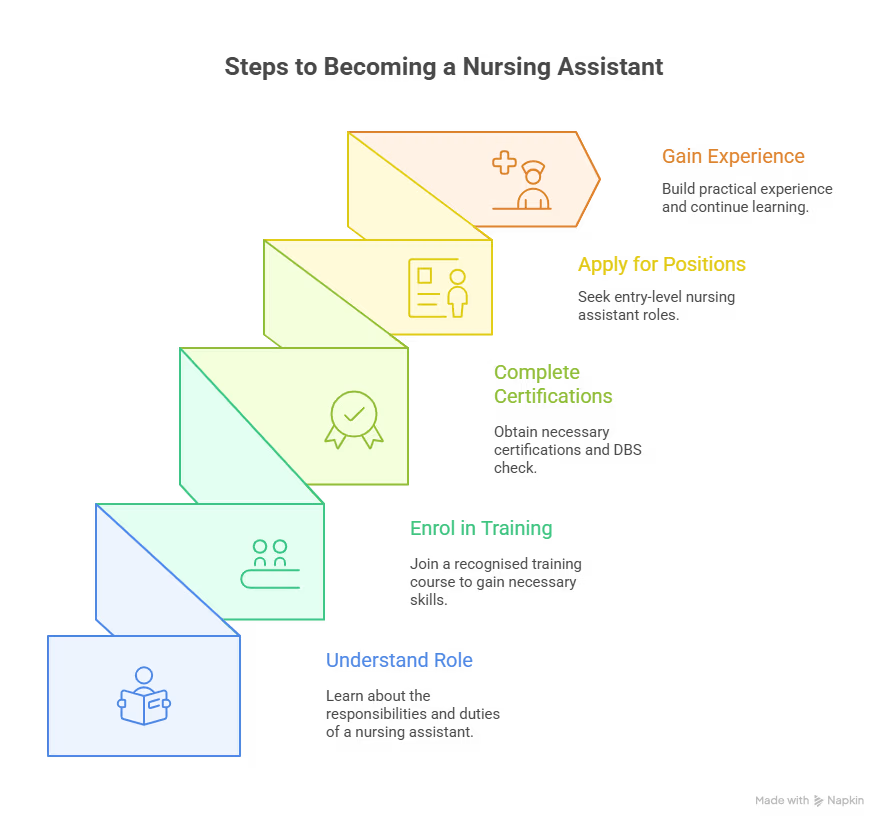
Step 1: Understand the Role and Responsibilities
Before you begin, it’s important to understand what a nursing assistant does. You will be assisting nurses and other healthcare professionals with patient care, monitoring health, and providing emotional support. It’s also essential to understand the personal qualities needed for the role, like compassion and patience. These will help you build strong connections with patients.
Step 2: Enrol in a Recognised Training Course
The next step is to complete a recognised training course. Many training programs are designed for beginners and are flexible enough to fit around your life. A course like the Level 3 Diploma in Nursing Assistant Complete Training is a great starting point. This will provide you with the foundational skills you need, such as patient care, infection control, and health and safety.
- Look for CPD-accredited courses to ensure they meet industry standards.
- These courses often include modules on first aid, hygiene, and communication skills, which are essential in the role.
Step 3: Complete Your DBS Check and Other Certifications
Once you’ve finished your course, you will need to complete a Disclosure and Barring Service (DBS) check. This check is mandatory for anyone working with vulnerable populations, including healthcare assistants. You may also need additional certifications like First Aid or Basic Life Support (BLS), depending on where you plan to work.
- The DBS check ensures that you are suitable to work with vulnerable adults and children in healthcare settings.
Step 4: Apply for Entry-Level Nursing Assistant Positions
Now, it’s time to start applying for jobs. Look for entry-level nursing assistant roles at hospitals, care homes, or community health centres. Tailor your CV to highlight the skills you’ve learned, like patient care, communication, and any volunteer experience you might have. It’s important to show your eagerness to learn and your passion for helping others.
- Don’t hesitate to apply even if you don’t have experience—many employers value a positive attitude and willingness to learn.
Step 5: Gain Experience and Continue Learning
Once you’ve secured a job, you’ll gain valuable on-the-job experience. You will be working alongside more experienced healthcare professionals who can guide and mentor you. Take this opportunity to learn as much as you can and continue your professional development through further training and certifications.
- Many healthcare assistants go on to specialise in areas such as paediatric care, elderly care, or mental health.
By following these essential steps, you’ll be on your way to a rewarding career as a nursing assistant in the UK. This role offers excellent job security, the chance to make a real difference, and the opportunity for career advancement. If you’re ready to take the first step, start by enrolling in a course today!

Becoming a nursing assistant is just the beginning of your career journey. This role offers plenty of opportunities for growth and advancement, allowing you to build a fulfilling career in healthcare. With the right experience and additional training, you can move up the career ladder and explore various specialisations within the field.
1. Opportunities for Advancement within Healthcare
One of the great things about being a nursing assistant is the potential for career progression. With experience, you can move into more senior roles, such as a Senior Healthcare Assistant or Clinical Support Worker. You may also have the chance to train as a Healthcare Team Leader or take on additional responsibilities, such as managing a team or supervising other staff.
- With further study, you can even progress to roles like a Registered Nurse (RN) or Nurse Practitioner.
- You can specialise in areas such as pediatric care, elderly care, or mental health.
2. Specialisation Opportunities
As you gain experience, you can choose to specialise in different areas of healthcare. This could involve working in specific departments like surgery, pediatrics, or oncology, or focusing on particular types of care, such as elderly care or dementia care. Specialising allows you to deepen your expertise and increase your earning potential.
- Specialised roles often come with higher pay and more responsibilities.
- You can pursue additional qualifications and training in your area of interest.
3. Educational Advancement and Qualifications
You don’t have to stay in the same role forever. Many nursing assistants choose to further their education by pursuing additional qualifications. By completing a Level 3 Diploma in Health and Social Care or other advanced courses, you can qualify for roles such as Nursing Associate or even Registered Nurse.
- Consider pursuing formal education like a nursing degree to become a Registered Nurse.
- Some employers may even offer funding for further training or support in returning to education.
4. Job Stability and Security
Healthcare is one of the most stable industries, with a constant need for professionals. As a nursing assistant, you can benefit from job security, as the demand for healthcare services is only increasing. Additionally, the growing elderly population and healthcare reforms mean that nursing assistants are in high demand, ensuring long-term career opportunities.
- The ongoing shortage of healthcare workers in the UK further supports the demand for nursing assistants.
5. The Ability to Make a Real Impact
One of the most rewarding aspects of being a nursing assistant is the impact you have on patients’ lives. Whether you’re assisting with daily tasks, providing emotional support, or helping with physical care, you make a meaningful difference in people’s health and well-being. As you progress in your career, you’ll continue to provide essential support and care, making an even greater impact.
- The skills you develop as a nursing assistant will always be in demand, regardless of where you work.
Becoming a nursing assistant opens the door to a wide range of career opportunities. Whether you’re looking to specialise, take on more responsibilities, or further your education, this role provides a solid foundation for a successful and rewarding career in healthcare. With the right qualifications and dedication, the possibilities are endless!


 " alt="The 6 Principles of Safeguarding: Protect Before Harm Happens" />
 " alt="Personal Development Goals: 5 Meaningful Examples That Work" />
 " alt="TILE in Manual Handling: Meaning, Checklist & Safer Lifting Guide" />