




Blog 9 minutes read

How Long Does It Take to Qualify as a Nursing Assistant?

Curious about becoming a nursing assistant but unsure how long it takes? The path to certification is quicker than you might think!

AT

Amelie Thompson

Published April 6, 2026

arrow

The healthcare sector is booming, with demand for professionals rising rapidly. NHS Digital reports an 8% increase in healthcare assistants over the last five years, highlighting their vital role in supporting patient care. As a result, these professionals are now more essential than ever in ensuring the healthcare system runs smoothly.

So, how long does it actually take to qualify as a nursing assistant? On average, you can expect to complete the necessary training and certification in 6 to 12 months. This timeline depends on whether you’re studying full-time or part-time, but the process is relatively quick compared to many other healthcare careers.

In this blog, we’ll walk you through the timeline, the key steps, and what to expect along the way. Stick with us to find out how quickly you could be starting a meaningful career in healthcare!

Basic Requirements Before Training


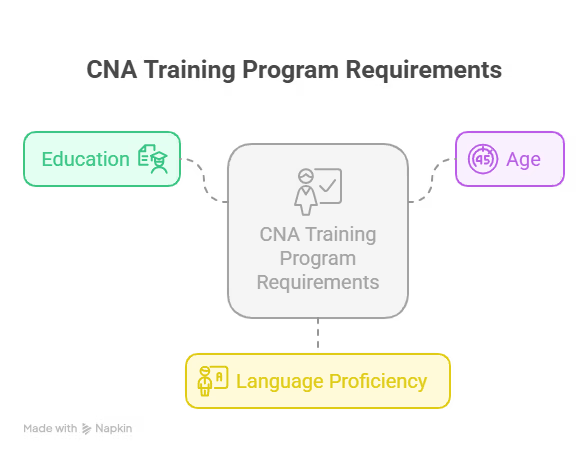
Before you can start your journey as a nursing assistant, there are a few basic requirements you’ll need to meet. While you don’t need a degree, certain qualifications are essential to enter the training process. Let’s take a look at what’s expected.

The first step is to have a high school diploma or GED. This is the minimum education requirement for most nursing assistant programs. If you don’t have these, it’s important to complete your high school education or obtain a GED before proceeding.

Key Requirements:

  • High School Diploma or GED: A basic education requirement.
  • Minimum Age: In most cases, you need to be at least 18 years old to enrol in a CNA training program.
  • English Proficiency: You must be able to read, write, and understand basic English to follow training materials and communicate with patients.

Once you’ve met these basic qualifications, you’re ready to move on to the next steps: enrolling in a training program and preparing for certification. These requirements ensure you have a solid foundation to build the skills you’ll need as a nursing assistant.

How Long Does It Take to Qualify as a Nursing Assistant?

The duration of a CNA training program can vary depending on the type of course and your personal schedule. On average, it takes between 4 to 12 weeks to complete a CNA program, though part-time courses may take longer. The exact length depends on whether you choose a full-time or part-time program and if you’re studying online or in person.

Full-time CNA programs typically take 4 to 6 weeks, allowing you to complete your training quickly and start working soon after. If you opt for a part-time course, it may take 3 to 6 months to finish, as the classes are spread out to fit around other commitments.

Key Factors That Affect Duration:

  • Full-time vs Part-time: Full-time programs are faster, while part-time allows flexibility.
  • Online vs In-person: Online programs may allow more flexibility but still require practical, hands-on experience.
  • Clinical Hours: The number of clinical practice hours required may add time to the program.

No matter the duration, the program is designed to equip you with the skills and knowledge necessary to pass the certification exam and begin your career as a nursing assistant. By the end of the program, you’ll be ready to take the next step towards certification and starting your new career.

Certification Process and Exams

Once you’ve completed your CNA training, the next step is to become certified. In the UK, this involves passing a certification exam that consists of both a written test and a practical skills test. The written exam covers essential healthcare topics such as patient care, safety, and medical terminology, while the practical exam evaluates your ability to perform tasks like monitoring vital signs and assisting patients with mobility.

Before you can sit for the exam, you’ll need to have completed the required clinical hours as part of your training. These hours give you the hands-on experience needed to demonstrate your skills in real-world healthcare settings.

Once you pass both the written and practical exams, you’ll officially become a certified nursing assistant. Keep in mind that some regions may require you to renew your certification periodically, either through continuing education or a re-examination. This certification confirms your qualifications, allowing you to start working in various healthcare environments with confidence.

Factors Affecting the Timeline

While the standard timeline for becoming a nursing assistant is typically 6 to 12 months, several factors can influence how quickly you can qualify. Let’s break down the key factors that affect this timeline:

  • Full-time vs Part-time Study: Full-time programs can be completed in as little as a few weeks, while part-time courses often take 3 to 6 months or longer.
  • Clinical Hours: The required hands-on training hours can vary, and some programs might have more extensive clinical placements that lengthen the timeline.
  • Location: Different regions may have varying certification processes and training program availability. Areas with higher demand may offer quicker paths into the workforce.
  • Type of Program: Some programs offer faster tracks, especially those that offer online components for theory while requiring in-person training for practical skills.

For example, NHS Digital reports that the UK’s growing demand for nursing assistants has led to faster certification options in many regions, allowing quicker entry into healthcare roles. Considering these factors will help you better understand the timeline based on your personal situation and preferred learning path.

Starting Your Career: When Can You Work?

Once you’ve completed your training and certification, you can start working as a nursing assistant almost immediately. In most cases, once you pass the certification exam, you’re eligible to begin your career in hospitals, nursing homes, or other healthcare settings. The time it takes to secure a job may depend on location, availability, and the demand for healthcare workers.

In the UK, there is a significant demand for healthcare assistants, and many NHS trusts and private care homes are actively recruiting. After becoming certified, you can begin applying for entry-level positions such as healthcare assistant, support worker, or nursing assistant. These roles often offer flexible hours, which can be particularly appealing if you need to balance work with personal commitments.

Once employed, you’ll continue to gain valuable experience and skills. With the right qualifications and ongoing professional development, you may advance into more senior roles in healthcare, such as team leader, nurse associate, or even registered nurse with further training. So, you can start working quickly after certification and continue to grow in your healthcare career.

Career Advancement and Further Training

Becoming a nursing assistant is just the beginning of a rewarding career path, with plenty of opportunities for growth. The healthcare sector offers numerous routes for advancement, allowing you to specialise, take on more responsibilities, or even transition into other healthcare roles.

One option for career growth is to specialise in areas like geriatrics, pediatrics, or mental health care. Specialising in a certain area can open doors to higher-paying roles and provide a deeper level of job satisfaction. You may also pursue further qualifications, such as a Level 3 Diploma in Health and Social Care, which can enhance your skills and eligibility for more senior positions.

Many nursing assistants also choose to progress to become a nurse by undertaking additional qualifications, such as a Nursing Associate Apprenticeship or a degree in nursing. These qualifications allow you to provide more advanced care and take on leadership roles within healthcare teams.

Additionally, supervisory roles like senior healthcare assistant or team leader are also a natural progression for those with experience. These roles often involve managing a team of assistants, training new staff, and overseeing patient care plans. The possibilities for advancement are vast, and the right combination of experience and further education can help you achieve your career goals in the healthcare sector.

Conclusion: Choose the Right Path in Care – Start With the Right Training

In most cases, it takes between 6 to 12 months to qualify as a nursing assistant, depending on the type of training program and how much time you can dedicate. While the timeline is relatively short, the skills you gain will provide a solid foundation for a rewarding career in healthcare.

Once certified, you can begin working in various healthcare settings, and with experience, you can explore opportunities for specialisation and advancement. Whether you aim to specialise, move into nursing, or take on leadership roles, the qualifications you earn will open doors to further career growth.

FAQ

1. How long does it take to become a CNA after high school?

 After completing high school, it usually takes about 6 to 12 weeks to complete CNA training, followed by the certification exam. So, you can typically start working as a CNA within a few months after graduation.

2. What is the salary of a Nursing Assistant?

The salary of a nursing assistant in the UK typically ranges from £18,000 to £22,000 annually, depending on experience and location. Higher salaries can be achieved with specialisation and further qualifications.

3. What does a CNA do?

 A Certified Nursing Assistant (CNA) provides direct patient care, helping with daily tasks such as bathing, dressing, feeding, and mobility. They also monitor vital signs and report changes to healthcare professionals.

4. How long does it take to become a medical assistant?

Becoming a medical assistant typically takes about 9 months to 1 year for a diploma or certification program. It includes both classroom instruction and clinical practice.

5. How long does it take to become an LPN?

Becoming a Licensed Practical Nurse (LPN) generally takes about 12 to 18 months to complete, depending on whether you pursue a full-time or part-time programme.

6. What is the shortest time to become a CNA?

 The shortest time to become a CNA is typically around 4 to 6 weeks for the theoretical portion of the training. However, you’ll still need to complete clinical hours, which can extend the timeline slightly.

Our Blogs

Latest blog posts

The 6 Principles of Safeguarding: Protect Before Harm Happens" alt="The 6 Principles of Safeguarding: Protect Before Harm Happens" />

Would you know what to do if someone showed signs of abuse or neglect? Learn the 6 Principles of Safeguarding in simple words and discover how to recognise risks, report concerns, prevent harm, and protect vulnerable people with safer, more confident decisions.

Personal Development Goals: 5 Practical Examples That Work" alt="Personal Development Goals: 5 Meaningful Examples That Work" />

Want to become more focused, confident, and organised? This guide explains 5 personal development goals that can help you improve time management, communication, emotional intelligence, skill-building, and your daily routine.

TILE in Manual Handling: Meaning, Checklist & Safer Lifting Guide" alt="TILE in Manual Handling: Meaning, Checklist & Safer Lifting Guide" />

Struggling to understand TILE in Manual Handling? This guide breaks down the meaning, checklist and safer lifting steps so you can spot risks before injuries happen.