



Have you ever wondered who ensures patients receive daily care and support in hospitals and care homes? Nursing assistants are the backbone of the UK healthcare system, providing essential support that keeps everything running smoothly. With over 300,000 healthcare assistants employed by the NHS, it’s clear that these professionals play a crucial role in maintaining patient care and supporting the healthcare system.
As a nursing assistant, you’ll have duties such as assisting patients with personal care, feeding, and mobility, monitoring vital signs, supporting nurses with clinical tasks, and maintaining a safe and comfortable environment. These common duties of nursing assistants ensure patients receive consistent care while supporting the overall efficiency of healthcare facilities.
In this blog, we’ll cover:
- The common duties you’ll handle as a nursing assistant on the job
- The essential skills needed to excel in this role
- Practical insights for performing effectively in healthcare settings
- How nursing assistants contribute to the wider healthcare system


Why Nursing Assistants Are Essential in Healthcare
Nursing assistants are essential because they provide the hands-on care and support that patients need daily, ensuring the healthcare system functions smoothly. They assist with personal care, monitor health, and support medical staff in delivering treatments. Without them, many vital tasks would be delayed or overlooked, directly impacting patient care.
Their role goes beyond physical tasks. Nursing assistants are often the first to interact with patients, offering emotional support and ensuring comfort throughout their recovery. They also play a key part in maintaining a safe and healthy environment, from monitoring vital signs to assisting with mobility.
Some of the key reasons nursing assistants are so essential include:
- Direct patient care: Bathing, feeding, dressing, and helping with mobility.
- Monitoring health: Recording vital signs such as blood pressure, pulse, and temperature.
- Emotional support: Providing comfort and reassurance to patients and their families.
- Team collaboration: Working closely with nurses and doctors to ensure quality care.
Core Daily Duties of a Nursing Assistant
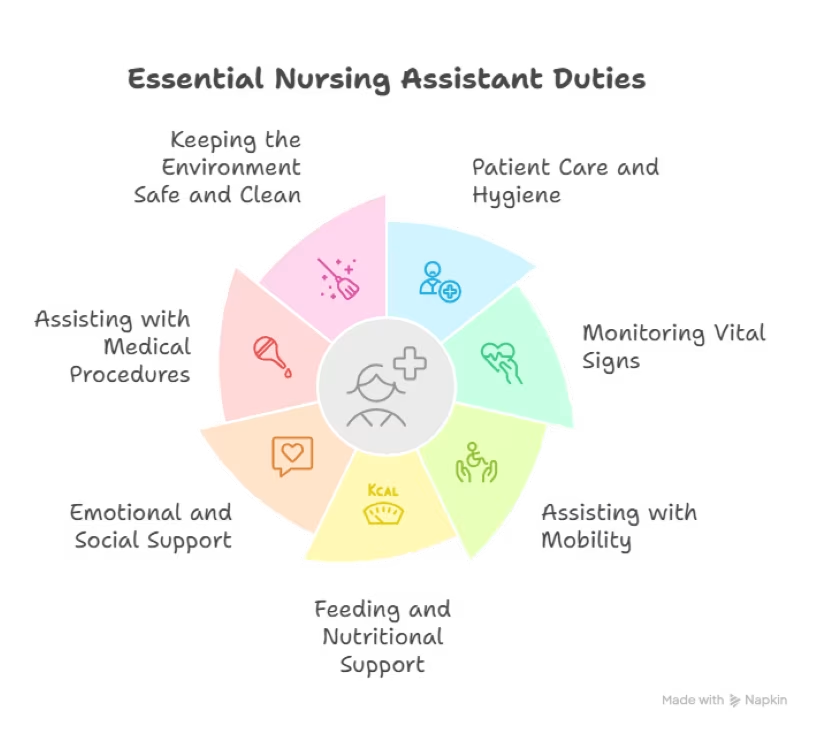
Nursing assistants are crucial to the day-to-day functioning of healthcare settings. Their responsibilities ensure patients receive the care they need, and medical staff can focus on their core duties. From personal care to monitoring health, nursing assistants are involved in almost every aspect of patient support.
Here are the key daily duties you’ll perform as a nursing assistant:
1. Patient Care and Hygiene
You’ll assist patients with personal hygiene, such as bathing, grooming, and dressing. Providing this support helps patients maintain dignity and comfort during their recovery.
2. Monitoring Vital Signs
One of your key responsibilities is to monitor patients’ vital signs. This includes measuring temperature, blood pressure, pulse, and respiration rates. Recording these details accurately is crucial for assessing a patient’s condition and reporting any changes to the medical team.
3. Assisting with Mobility
Helping patients move around safely is an essential task. This includes assisting with walking, transferring patients from beds to chairs, or repositioning them to prevent bedsores.
4. Feeding and Nutritional Support
You’ll help patients with eating, ensuring they get the nutrition they need to recover. In some cases, you may also monitor their fluid intake and report any issues to the nursing team.
5. Emotional and Social Support
Nursing assistants play a key role in providing emotional support. Listening to patients’ concerns, offering reassurance, and helping them feel comfortable are all vital parts of the role.
6. Assisting with Medical Procedures
While nursing assistants don’t perform medical procedures themselves, they often assist nurses or doctors with tasks like dressing wounds, taking blood samples, or preparing equipment for procedures.
7. Keeping the Environment Safe and Clean
You’ll help ensure that the patient’s environment is clean and safe. This includes disinfecting surfaces, changing bed linens, and ensuring that everything is ready for the patient’s next care needs.
These core duties make nursing assistants indispensable in healthcare settings. They help create an environment where patients can feel comfortable and well cared for, while also assisting medical teams with essential tasks.
8 Essential Skills Nursing Assistants Must Have
As a nursing assistant, your role goes beyond performing daily tasks — it’s about providing compassionate care, building trust with patients, and supporting healthcare teams effectively. To excel in this profession, certain skills are essential. These skills will not only help you in your daily duties but also contribute to your growth and success in healthcare.
Here are the key skills every nursing assistant should have:
1. Strong Communication Skills
Being able to communicate clearly with patients, their families, and the healthcare team is vital. Whether you’re explaining procedures to a patient or relaying information to nurses, effective communication ensures that everyone is on the same page and helps provide the best care.
2. Compassion and Empathy
Patients in healthcare settings are often vulnerable, and showing compassion can make a world of difference. Being able to empathise with their situation and provide emotional support is just as important as physical care.
3. Attention to Detail
From monitoring vital signs to documenting patient changes, attention to detail is crucial. A small oversight could result in missing vital information, affecting patient care. Being observant and precise helps to ensure everything runs smoothly.
4. Physical Stamina
Nursing assistants spend long hours on their feet, assisting patients with mobility, personal care, and various tasks. Physical stamina is essential for performing these duties without fatigue, ensuring you can provide continuous support throughout your shift.
5. Time Management and Organisation
With multiple tasks to juggle, managing your time effectively is key. Nursing assistants must be able to prioritise tasks, complete them efficiently, and ensure that patient care is never compromised.
6. Teamwork and Collaboration
Nursing assistants work closely with other healthcare professionals. Being a team player and collaborating effectively ensures that all aspects of patient care are covered, from medical procedures to emotional support.
7. Problem-Solving Skills
You’ll often need to think on your feet and adapt to situations as they arise. Whether dealing with a patient’s sudden discomfort or managing unexpected changes in a care plan, having good problem-solving skills is essential for providing quality care.
8. Basic Medical Knowledge
Though you won’t be responsible for making medical decisions, a basic understanding of medical terminology, health conditions, and treatment procedures is necessary. This knowledge allows you to assist medical staff effectively and understand the needs of your patients.
Mastering these skills will not only help you excel as a nursing assistant but also open doors for career progression in the healthcare field. Whether you’re helping a patient feel more comfortable or assisting with vital tasks, these skills will ensure you can provide the best care possible.
Tools, Equipment, and Technology You’ll Use as a Nursing Assistant
As a nursing assistant, you’ll be working with a variety of tools and equipment that are crucial for delivering quality patient care. These items are designed to help monitor patient health, assist with mobility, and ensure a safe and efficient healthcare environment. In addition to physical tools, you’ll also use technology to record and manage patient information. Understanding and becoming familiar with these tools is an essential part of your training and role.
Here are some of the key tools and technologies you’ll use in your daily work:
1. Vital Signs Monitoring Equipment
- Thermometers: Used to measure patients’ body temperature to check for fever or abnormal readings.
- Blood Pressure Monitors: Essential for checking a patient’s blood pressure, which helps assess overall health.
- Pulse Oximeters: Used to measure oxygen levels in the blood, a critical indicator for patients with respiratory issues.
- Stethoscopes: For listening to heartbeats and lung sounds, enabling you to detect abnormal conditions.
2. Mobility Aids and Supportive Equipment
- Wheelchairs and Walkers: To assist patients with limited mobility in getting around.
- Hoists and Lifts: Used to move patients who are unable to move themselves, ensuring both patient and healthcare worker safety.
- Beds and Adjustable Chairs: Designed to ensure comfort and help with positioning patients, preventing pressure sores and other health issues.
3. Personal Protective Equipment (PPE)
- Gloves, Masks, and Gowns: Crucial for infection control, protecting both you and the patient. These are especially important in hospitals or clinics where patients are at risk of infectious diseases.
- Face Shields and Goggles: Used when performing tasks that involve potential exposure to bodily fluids or hazardous substances.
4. Patient Care and Hygiene Tools
- Bedpans and Urinals: Used for patients who are unable to use the toilet independently, ensuring comfort and dignity.
- Bedding and Linen: Regularly changed to maintain a clean and hygienic environment for the patient.
- Bathing and Hygiene Supplies: Items like washcloths, soap, and sponges are necessary for assisting patients with personal hygiene.
5. Technology for Record-Keeping
- Electronic Health Records (EHR): These digital systems are used to record patient information, including medical history, medications, and treatment plans. You will need to update these records regularly.
- Tablets and Mobile Devices: Often used to access patient records, check vital signs, or communicate with other healthcare team members quickly.
6. Medical Supplies for Routine Care
- Syringes and Needles: Used for medication administration and blood collection (though this may also be done by nurses).
- Dressing Materials: For cleaning and bandaging wounds, ensuring proper care and infection prevention.
Familiarity with these tools and technology is essential for performing your duties safely and effectively. While you’ll be trained in using these items, continual practice and experience will help you become more confident in applying them to real-world situations. Having these tools at your disposal allows you to provide the best possible care for your patients while supporting the healthcare team in delivering quality care.


Legal, Ethical, and Professional Responsibilities of a Nursing Assistant
As a nursing assistant, you’ll be entrusted with sensitive patient information and responsible for providing care that meets high standards. It’s essential to understand and follow the legal, ethical, and professional guidelines that govern your role in healthcare. These responsibilities help protect both patients and healthcare professionals and ensure that care is provided with integrity and respect.
Here are the key areas you need to be aware of:
1. Patient Confidentiality and Privacy
One of your most important duties as a nursing assistant is ensuring patient confidentiality. This means never sharing personal or medical information with anyone who is not directly involved in the patient’s care. Adhering to privacy laws like the Data Protection Act and General Data Protection Regulation (GDPR) is essential to protect sensitive patient data.
2. Informed Consent
Before any medical procedure or treatment, patients must give their informed consent. This means they fully understand what will happen, including any risks involved. While you may not be responsible for obtaining consent, it’s important to respect this process and assist patients in understanding information when needed.
3. Duty of Care
Nursing assistants are required to provide a duty of care to patients, which means acting in the best interest of the patient at all times. This includes performing tasks to a high standard and reporting any concerns about a patient’s health to a nurse or doctor promptly. Neglecting this duty can result in harm to the patient and potential legal consequences.
4. Reporting and Documentation
Accurate and timely documentation is essential in the healthcare field. Nursing assistants are often responsible for recording patients’ vital signs, updating health records, and reporting any changes in a patient’s condition. Failure to document properly can lead to medical errors, and in some cases, legal liabilities.
5. Professional Boundaries
Maintaining professional boundaries with patients is crucial. Nursing assistants must always act within their scope of practice and avoid engaging in activities that are outside their responsibilities. This includes refraining from offering medical advice or performing tasks that only licensed healthcare professionals are trained to do.
6. Safeguarding and Vulnerable Adults
Nursing assistants have a duty to safeguard vulnerable individuals, including the elderly and those with mental or physical disabilities. This involves recognising signs of abuse or neglect and reporting them to the appropriate authorities. Following safeguarding protocols ensures that patients are protected and cared for in a safe environment.
7. Ethical Decision-Making
You may encounter situations that require you to make ethical decisions, especially when there’s a conflict between patient care and the patient’s wishes. In these situations, it’s important to be guided by ethical principles such as beneficence (doing good) and non-maleficence (avoiding harm), while also respecting patient autonomy and dignity.
By understanding and adhering to these legal, ethical, and professional responsibilities, you help create a safe, respectful, and high-quality care environment for your patients. This knowledge is essential for providing effective, compassionate care while also protecting yourself and your career as a nursing assistant.
Career Growth and Opportunities for Nursing Assistants
Becoming a nursing assistant is just the beginning of your journey in the healthcare field. With the right experience and further qualifications, you can progress to more advanced roles and specialisations. Whether you’re looking to take on additional responsibilities or move into a different area of healthcare, there are numerous opportunities for career growth.
Here are some of the career growth options and opportunities you can explore as a nursing assistant:
1. Senior Healthcare Assistant or Care Supervisor
After gaining experience, you can move into a supervisory role, where you’ll oversee a team of nursing assistants. In this role, you’ll be responsible for delegating tasks, providing training to new staff, and ensuring that patient care is delivered to a high standard.
2. Nurse Associate
A Nurse Associate is an advanced support role that bridges the gap between nursing assistants and registered nurses. It involves more clinical responsibilities and direct patient care. If you have a Level 3 qualification and further training, you could pursue this role as a step towards becoming a registered nurse.
3. Registered Nurse (RN)
Many nursing assistants decide to further their education and qualifications to become a registered nurse. With additional training, such as a nursing degree or nursing associate apprenticeship, you can qualify to become an RN, which opens up many more opportunities in healthcare.
4. Specialisation in Healthcare Areas
After working as a nursing assistant, you can choose to specialise in specific areas, such as:
- Geriatric care: Working with the elderly, managing their healthcare needs.
- Pediatrics: Focusing on the care of children and young patients.
- Mental health: Supporting patients with mental health conditions, providing specialised care.
Specialising can lead to higher pay and more in-depth knowledge in your chosen area.
5. Further Education and Training
Nursing assistants often expand their skills through further qualifications, helping to advance their careers. Options include:
- Health and Social Care Diplomas: These deepen your knowledge in patient care and management.
- CPD Courses: Specialised courses in areas like infection control or palliative care.
- Advanced Healthcare Certifications: A Level 3 Diploma can prepare you for senior roles in the healthcare field.
For example, after completing a Level 3 Nursing Assistant course, you can continue your education with additional certifications. These will help you develop your skills in key areas, boosting your employability and preparing you for more advanced roles in healthcare.
6. Healthcare Management and Administration
If you’re interested in leadership, you could eventually transition into healthcare management roles. This could involve overseeing the operations of a care home, clinic, or hospital. Management positions require strong organisational and leadership skills, but your experience as a nursing assistant will provide a strong foundation in patient care.
7. Teaching and Mentoring
With years of experience, you could transition into teaching or mentoring new nursing assistants. As an instructor, you could help train future healthcare professionals, passing on your knowledge and expertise in the field.
Career growth as a nursing assistant is full of opportunities, whether you choose to specialise in a specific area, move into a managerial position, or advance to become a nurse. The key to progressing is to stay committed to further education, gain diverse experience, and continually build on your skills.
Tips for Excelling in Your Nursing Assistant Role
As a nursing assistant, your role is vital in ensuring the smooth running of healthcare facilities and providing top-quality care to patients. To stand out and thrive in this role, it’s important to focus not just on completing tasks, but also on enhancing your skills and building positive relationships with patients and colleagues. Here are some tips to help you excel in your nursing assistant career:
1. Build Strong Communication Skills
Effective communication is key to providing excellent care. Practice active listening with patients and healthcare teams to understand their needs. When talking to patients, use clear and simple language, and always be patient and reassuring. Strong communication helps you build trust with patients and ensures smooth collaboration with your colleagues.
2. Be Organised and Efficient
In healthcare settings, time management is crucial. Prioritise tasks efficiently to ensure that you complete your duties on time and avoid overlooking important care details. Keeping patient records organised and maintaining a clean, orderly environment helps prevent errors and improves overall care delivery.
3. Stay Compassionate and Patient-Centered
Nursing assistants often work with vulnerable patients who may feel anxious, scared, or unwell. Show empathy and provide emotional support whenever needed. Taking the time to comfort patients and make them feel valued can significantly improve their experience and recovery.
4. Be Adaptable to Change
Healthcare environments are dynamic, and things can change quickly. You may need to adjust your approach based on a patient’s condition, workload changes, or unexpected situations. Being flexible and remaining calm under pressure will help you manage these challenges effectively.
5. Maintain Professionalism
Always maintain a professional attitude and appearance. Show respect for patients, their families, and colleagues, and follow the healthcare facility’s guidelines and protocols. Upholding ethical standards, such as maintaining confidentiality and respecting patient dignity, is essential in ensuring trust and maintaining a safe care environment.
6. Focus on Continuous Learning
The healthcare field is constantly evolving, so it’s important to stay updated on the latest practices, technologies, and guidelines. Engage in continuing education, attend training sessions, and look for opportunities to gain new certifications. The more you learn, the better equipped you’ll be to offer high-quality care and grow in your career.
7. Take Care of Your Wellbeing
Working as a nursing assistant can be physically and emotionally demanding. It’s important to look after your own health and wellbeing to avoid burnout. Take regular breaks, stay active, eat well, and make time for activities that help you relax and recharge.
By following these tips, you’ll be well on your way to excelling in your nursing assistant role. Your dedication to your patients, your ability to work well within a team, and your commitment to continuous improvement will make you a standout professional in the healthcare industry.
Conclusion: The Impact and Future of Nursing Assistants in Healthcare
The role of a nursing assistant is both essential and rewarding. As a nursing assistant, you’ll be responsible for providing hands-on care and emotional support to patients, ensuring their safety and comfort during recovery. While the job requires dedication, compassion, and strong communication skills, it also offers significant career growth opportunities. Whether you are assisting with daily tasks, monitoring health, or offering emotional support, your work has a direct impact on patients’ well-being and the overall functioning of healthcare teams.
The value of nursing assistants in the healthcare system cannot be overstated. They are integral to maintaining high-quality care, and as the healthcare sector continues to grow, the demand for skilled nursing assistants will only increase. With further training and development, you can progress to higher roles, continuing to make a meaningful difference in the lives of those who need it most.
FAQ
1. What are the duties of a nursing assistant?
Nursing assistants assist with personal care, monitor vital signs, help with mobility, and provide emotional support to patients.
2. What are the 10 actions that a nursing assistant can take when helping care for a resident who is confused?
When caring for a confused resident, a nursing assistant can take actions such as reassuring the patient, maintaining a calm environment, simplifying communication, assisting with daily tasks, ensuring safety, establishing a routine, redirecting attention, offering physical comfort, monitoring for changes, and providing emotional support.
3. What is the most important thing for a nursing assistant?
Compassion is the most important quality for a nursing assistant, as it helps build trust and provides emotional support to patients.
4. Which of the following is a task that nursing assistants commonly do?
Nursing assistants commonly assist with personal hygiene, monitor vital signs, and offer emotional support to patients.
 " alt="The 6 Principles of Safeguarding: Protect Before Harm Happens" />
 " alt="Personal Development Goals: 5 Meaningful Examples That Work" />
 " alt="TILE in Manual Handling: Meaning, Checklist & Safer Lifting Guide" />