




Blog 5 minutes read

Understanding Dyslexia: What Every TA Needs to Know

Discover how teaching assistants can support pupils with dyslexia. Learn strategies, signs, and training opportunities to improve classroom outcomes in UK schools.


IT

Isla Thompson

Published August 26, 2025

Understanding Dyslexia Teaching Assistants
arrow

Dyslexia is one of the most common specific learning difficulties in UK schools, affecting around 10% of the population according to the British Dyslexia Association. For teaching assistants (TAs), understanding dyslexia is not just beneficial — it’s essential for creating inclusive, supportive classrooms where every pupil has the opportunity to thrive.

With demand for SEN-trained teaching assistants rising across the UK, gaining specialist knowledge in dyslexia can make you more effective in the classroom and more valuable to schools seeking skilled support staff.

What Is Dyslexia?

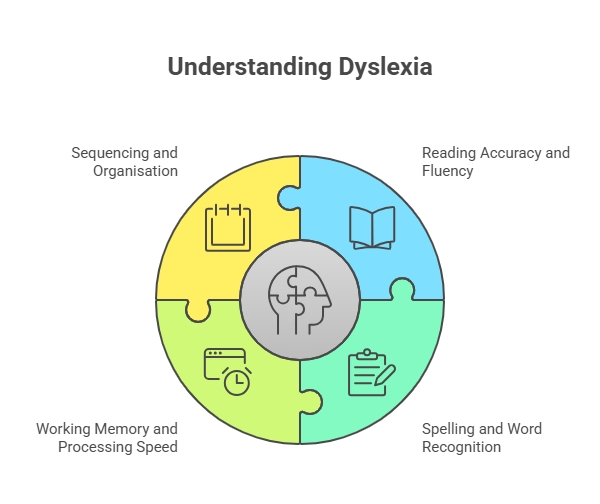
Dyslexia is a lifelong learning difficulty that primarily affects reading, writing, and spelling. It’s not related to intelligence — many dyslexic learners are highly creative and capable — but they may struggle with:

  • Reading accuracy and fluency
  • Spelling and word recognition
  • Working memory and processing speed
  • Sequencing and organisation

According to the NHS, early identification and support are key to ensuring dyslexic pupils can succeed academically and emotionally.

Signs of Dyslexia in the Classroom

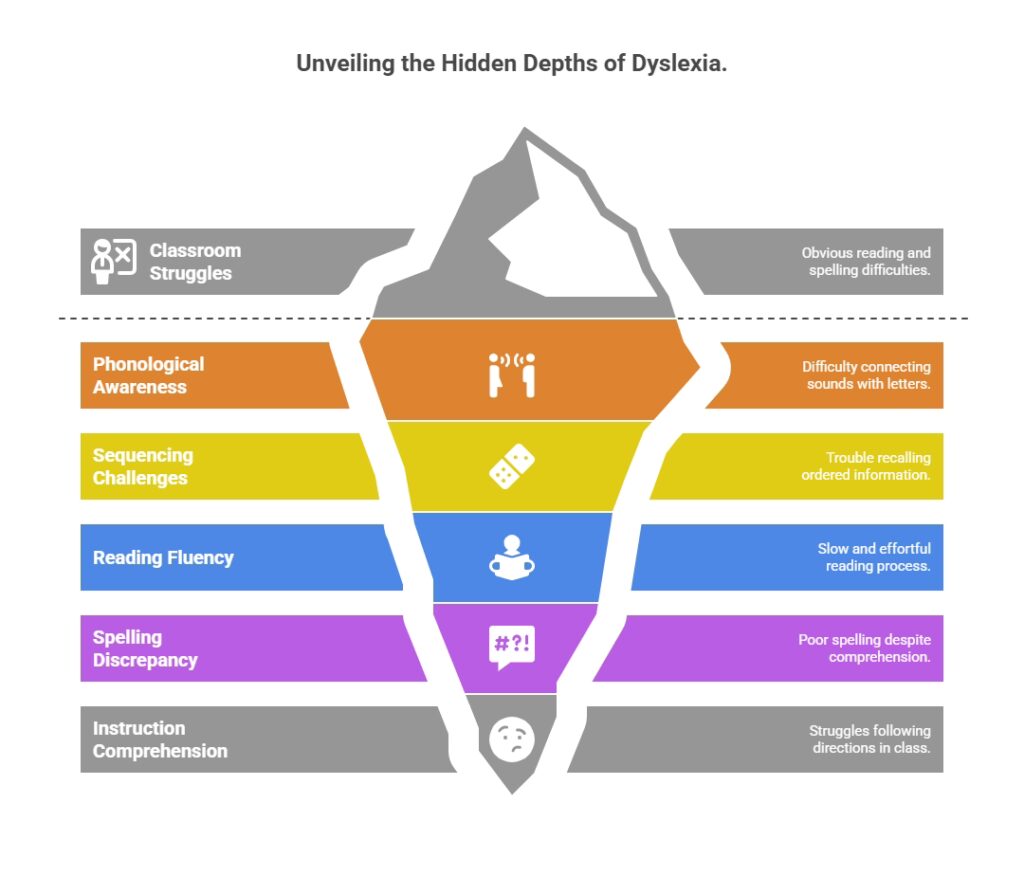
As a teaching assistant, spotting early indicators of dyslexia allows you to provide timely support. Common signs may include:

  • Difficulty matching sounds to letters
  • Trouble remembering sequences (e.g., days of the week)
  • Slow or laboured reading
  • Poor spelling despite good understanding
  • Struggles with instructions or copying from the board

It’s important to remember that signs vary — some pupils may show subtle challenges, while others present more obvious difficulties.

How Teaching Assistants Can Support Dyslexic Pupils

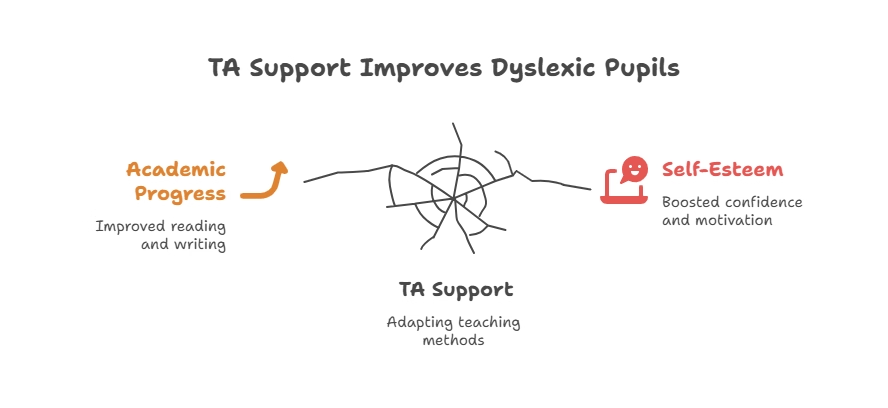
Effective dyslexia support doesn’t mean lowering expectations; it’s about adapting teaching methods to remove barriers. As a TA, you can:

  • Encourage multi-sensory learning (visual aids, hands-on activities, audio resources).
  • Break tasks into smaller, manageable steps.
  • Provide additional time for reading and writing activities.
  • Support the use of assistive technology (text-to-speech, coloured overlays).
  • Offer consistent praise to build confidence and resilience.

Practical support not only improves academic progress but also boosts pupils’ self-esteem and motivation.

Why Dyslexia Training Matters for TAs

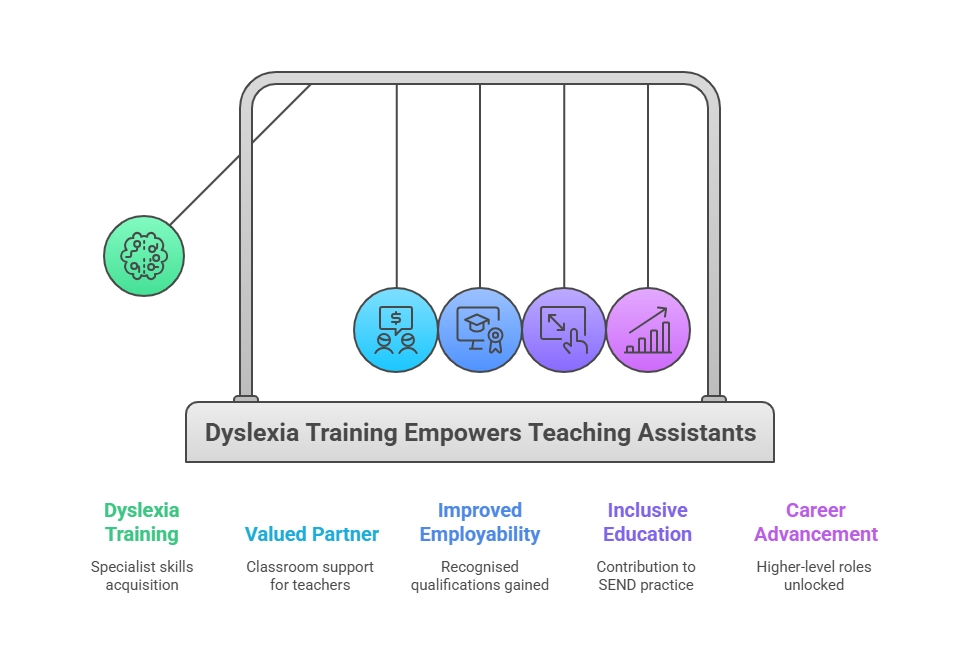
Schools across the UK increasingly seek TAs with special educational needs (SEN) training, particularly in dyslexia awareness. By gaining specialist skills, you:

  • Become a valued classroom partner for teachers.
  • Improve your employability with recognised qualifications.
  • Contribute directly to inclusive education in line with the SEND Code of Practice (DfE).
  • Open doors to higher-level roles such as SEN Teaching Assistant or HLTA.

📌 To strengthen your career prospects, consider enrolling in a Complete Teaching Assistant Diploma Level 3, which covers SEN, Autism, ADHD, and Dyslexia support in depth.

Real-World Impact: A Case Example

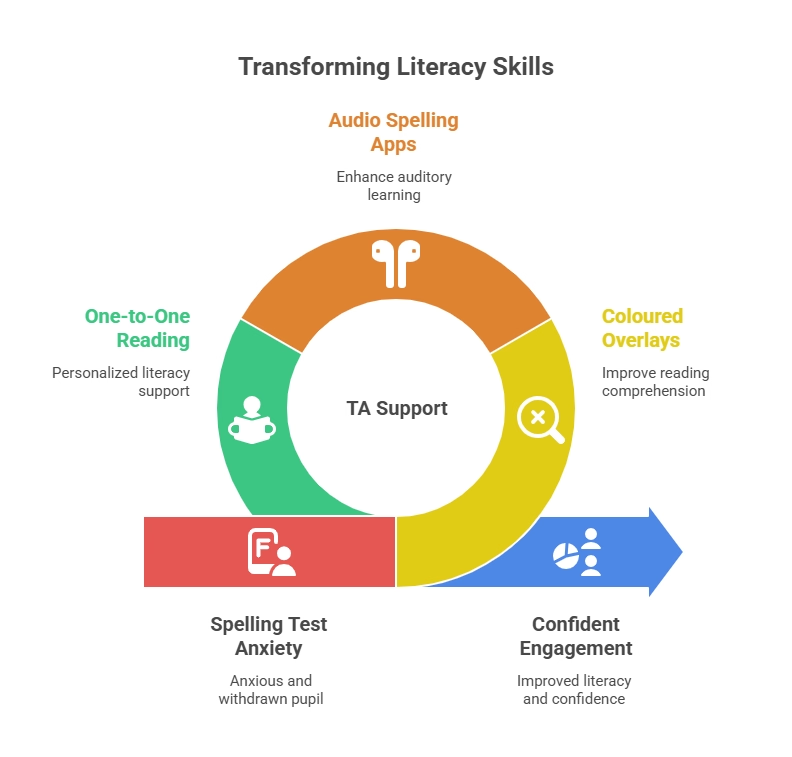
Imagine a Year 5 pupil who struggles with spelling tests every week, leaving them anxious and withdrawn. With TA support that includes coloured overlays, audio spelling apps, and one-to-one reading sessions, the child begins to show progress. Small, consistent strategies can transform not only literacy skills but also a pupil’s confidence and classroom engagement.

Sources

If you’d like to deepen your understanding of dyslexia, here are trusted sources:

Final Thoughts

Understanding dyslexia is not just about academic support — it’s about recognising each child’s potential, building their confidence, and ensuring no learner is left behind. As a TA, your role in identifying challenges, applying inclusive strategies, and working alongside teachers is critical.

By investing in specialist training and applying practical classroom techniques, you can make a life-changing difference to pupils with dyslexia — while also strengthening your own career opportunities in UK schools.

Conclusion

For teaching assistants, understanding dyslexia is more than a skill — it’s a responsibility. By recognising the signs early, applying practical strategies, and supporting pupils with empathy, you can unlock opportunities for every learner to thrive.

With UK schools placing greater emphasis on SEN expertise, investing in dyslexia awareness not only benefits pupils but also enhances your own career prospects. Strengthen your CV, build your confidence, and prepare for rewarding roles by gaining specialist training in dyslexia support and SEN education.

FAQs About Teaching Assistant Qualifications

1. How do teaching assistants help autistic pupils in UK classrooms?

They provide one-to-one support, adapt learning materials, manage behaviour, and help pupils with social interaction and communication.

2. Do I need specialist training to support autistic children?

While not mandatory, autism awareness and SEN qualifications significantly increase your effectiveness and employability.

3. Can TAs work independently with autistic pupils?

Yes. Many schools assign TAs to provide dedicated one-to-one or small-group support for autistic learners.

4. What career roles are available for TAs specialising in autism?

You can become an SEN TA, Autism Support Worker, LSA, HLTA, or progress to SENCO.

5. Is autism training included in TA courses?

Yes. Accredited courses often include autism, ADHD, dyslexia, and safeguarding modules to prepare you for SEN roles.


For a deeper understanding of dyslexia, you may enhance your knowledge with Apex Learning’s specialist courses:

These accredited programmes are designed to provide practical strategies and professional insights to effectively support learners with dyslexia.


Our Blogs

Latest blog posts

The 6 Principles of Safeguarding: Protect Before Harm Happens" alt="The 6 Principles of Safeguarding: Protect Before Harm Happens" />

Would you know what to do if someone showed signs of abuse or neglect? Learn the 6 Principles of Safeguarding in simple words and discover how to recognise risks, report concerns, prevent harm, and protect vulnerable people with safer, more confident decisions.

Personal Development Goals: 5 Practical Examples That Work" alt="Personal Development Goals: 5 Meaningful Examples That Work" />

Want to become more focused, confident, and organised? This guide explains 5 personal development goals that can help you improve time management, communication, emotional intelligence, skill-building, and your daily routine.

TILE in Manual Handling: Meaning, Checklist & Safer Lifting Guide" alt="TILE in Manual Handling: Meaning, Checklist & Safer Lifting Guide" />

Struggling to understand TILE in Manual Handling? This guide breaks down the meaning, checklist and safer lifting steps so you can spot risks before injuries happen.