


Blog 3 minutes read

Level 3 Teaching Assistant vs Level 2: What’s the Difference?

Discover the difference between Level 2 and Level 3 Teaching Assistant qualifications. Compare career options, salaries, and progression routes in UK schools.


IT

Isla Thompson

Published August 28, 2025

Level 3 Teaching Assistant vs Level 2 What’s the Difference
arrow

If you’re considering a career as a teaching assistant in the UK, you’ve probably come across both Level 2 and Level 3 TA qualifications. But what exactly sets them apart — and which is right for you?

With over 280,000 teaching assistants working across England (Department for Education, 2024), schools increasingly prefer candidates with recognised qualifications. Understanding the difference between Level 2 and Level 3 TA courses will help you choose the best path for your career.

What Is a Level 2 Teaching Assistant Qualification?

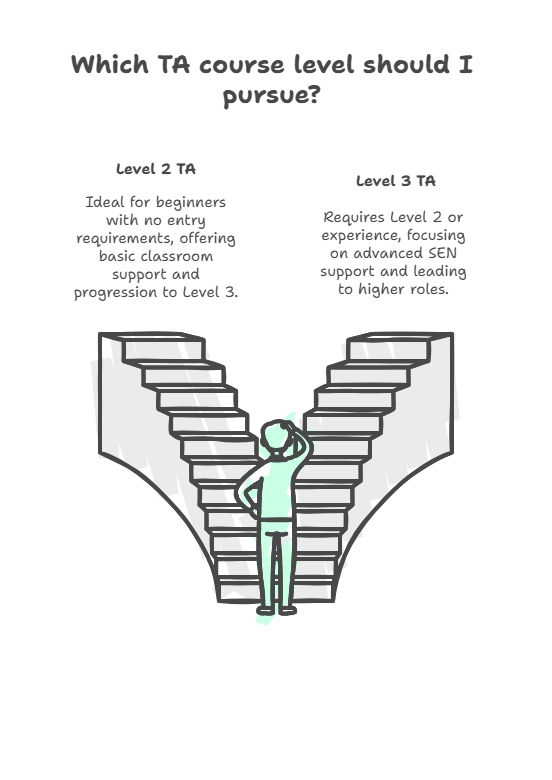
A Level 2 Teaching Assistant qualification is an entry-level course designed for those who are new to classroom support. It provides the foundations for working in education, focusing on:

  • Understanding school policies and safeguarding.
  • Supporting teachers with daily classroom duties.
  • Helping pupils with literacy, numeracy, and basic learning activities.
  • Developing communication and behaviour management skills.

📍 Who it’s for: Beginners or those with no prior experience in education.
📍 Typical job roles: Classroom assistant, general TA support.
📍 Salary range: £16,000 – £20,000/year.

What Is a Level 3 Teaching Assistant Qualification?

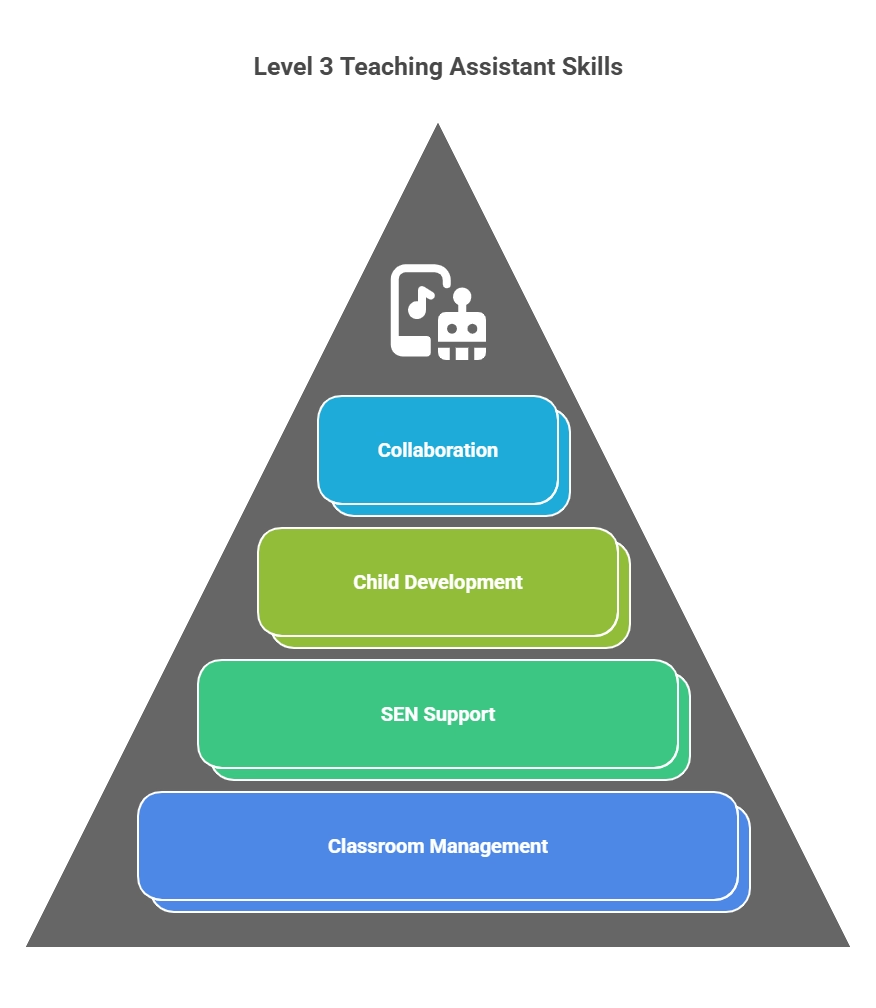
A Level 3 Teaching Assistant qualification goes further, preparing you for more responsibility and SEN (Special Educational Needs) support. It is widely recognised by UK schools and employers. Key areas include:

  • Advanced classroom management and lesson delivery support.
  • Working with SEN pupils (autism, ADHD, dyslexia).
  • Child development and inclusive learning strategies.
  • Collaborating with teachers, SENCOs, and parents.

📍 Who it’s for: Aspiring TAs who want more career progression, or existing TAs looking to upskill.
📍 Typical job roles: Teaching Assistant, SEN Teaching Assistant, Learning Support Assistant.
📍 Salary range: £18,000 – £25,000/year.

Key Differences Between Level 2 and Level 3 TA Courses

Feature

Level 2 TA

Level 3 TA

Entry requirements

None (ideal for beginners)

Usually Level 2 or relevant experience

Depth of study

Basic classroom support

Advanced, with SEN focus

Career level

Entry-level

Qualified/advanced

Salary potential

£16k – £20k

£18k – £25k

Progression

Leads to Level 3

Leads to HLTA or SENCO roles

Which Qualification Should You Choose?

  • If you’re new to education → start with Level 2.
  • If you want career progression, SEN roles, or higher pay → go for Level 3.
  • If you’re aiming for Higher Level Teaching Assistant (HLTA) or SENCO in the future → Level 3 is essential.

📌 For those planning a long-term career in education, enrolling in a Complete Teaching Assistant Diploma Level 3 provides a stronger foundation, recognised certification, and SEN expertise.

Sources

Conclusion

The main difference between Level 2 and Level 3 Teaching Assistant qualifications is the depth of training and career opportunities. Level 2 is perfect for beginners, while Level 3 prepares you for SEN support, higher salaries, and progression into advanced roles.

By choosing the qualification that matches your career goals, you’ll be taking the right step towards a rewarding role in UK schools.

FAQs

Is Level 2 or Level 3 better for teaching assistants?
Level 3 is more advanced, offering higher pay and progression. Level 2 is suited to beginners.

Can you go straight to Level 3 TA without Level 2?
Yes, many learners go directly to Level 3, especially if they have prior experience.

What jobs can I get with a Level 2 TA qualification?
Classroom assistant, entry-level TA, or support roles.

What jobs can I get with a Level 3 TA qualification?
Teaching Assistant, SEN TA, or Learning Support Assistant, with potential to progress to HLTA.

Our Blogs

Latest blog posts

The 6 Principles of Safeguarding: Protect Before Harm Happens" alt="The 6 Principles of Safeguarding: Protect Before Harm Happens" />

Would you know what to do if someone showed signs of abuse or neglect? Learn the 6 Principles of Safeguarding in simple words and discover how to recognise risks, report concerns, prevent harm, and protect vulnerable people with safer, more confident decisions.

Personal Development Goals: 5 Practical Examples That Work" alt="Personal Development Goals: 5 Meaningful Examples That Work" />

Want to become more focused, confident, and organised? This guide explains 5 personal development goals that can help you improve time management, communication, emotional intelligence, skill-building, and your daily routine.

TILE in Manual Handling: Meaning, Checklist & Safer Lifting Guide" alt="TILE in Manual Handling: Meaning, Checklist & Safer Lifting Guide" />

Struggling to understand TILE in Manual Handling? This guide breaks down the meaning, checklist and safer lifting steps so you can spot risks before injuries happen.