

Blog 4 minutes read

How to Make Inclusive Classrooms Work: A TA’s Perspective

Learn how teaching assistants can make inclusive classrooms work. Discover strategies, SEN support, and training opportunities to create inclusive schools in the UK.


IT

Isla Thompson

Published August 27, 2025

How to Make Inclusive Classrooms Work: A TA’s Perspective
arrow

Inclusive education is at the heart of the UK school system, ensuring that every child — regardless of their background, abilities, or learning needs — has access to high-quality education. According to the Department for Education, there are over 1.5 million pupils in England identified as having Special Educational Needs (SEN), highlighting the urgent need for effective classroom inclusion strategies.

For teaching assistants (TAs), the challenge and reward lie in supporting teachers to create inclusive classrooms where every pupil can thrive.

What Does an Inclusive Classroom Mean?

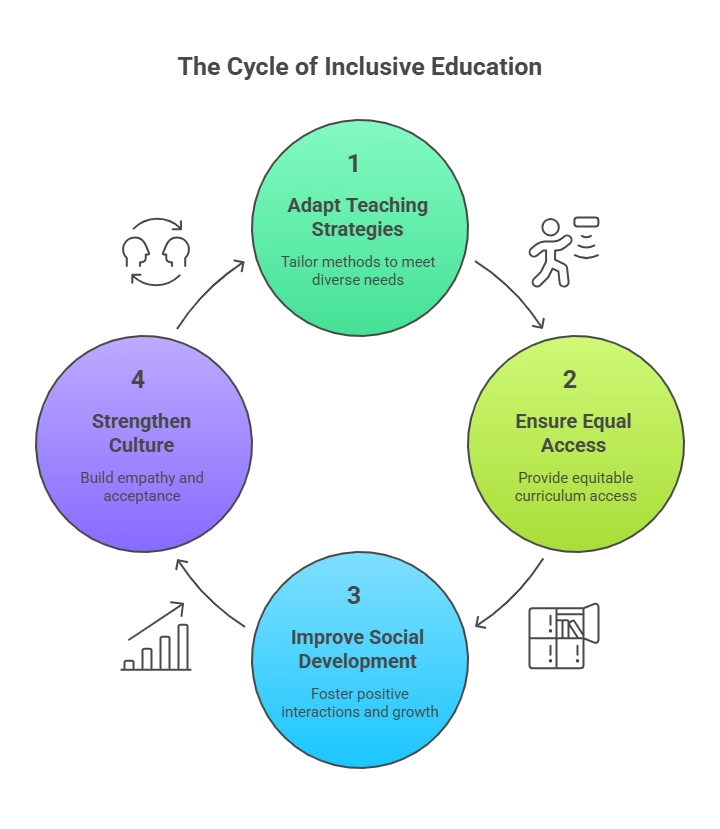
An inclusive classroom is one where pupils with different abilities, learning styles, and backgrounds learn together in the same environment. Instead of separating learners with SEN, inclusive classrooms adapt teaching strategies to meet varied needs.

This approach ensures:

  • Equal access to the curriculum.
  • Improved social development for all pupils.
  • A stronger culture of empathy, diversity, and acceptance.

The TA’s Role in Inclusive Education

The TA’s Role in Inclusive Education

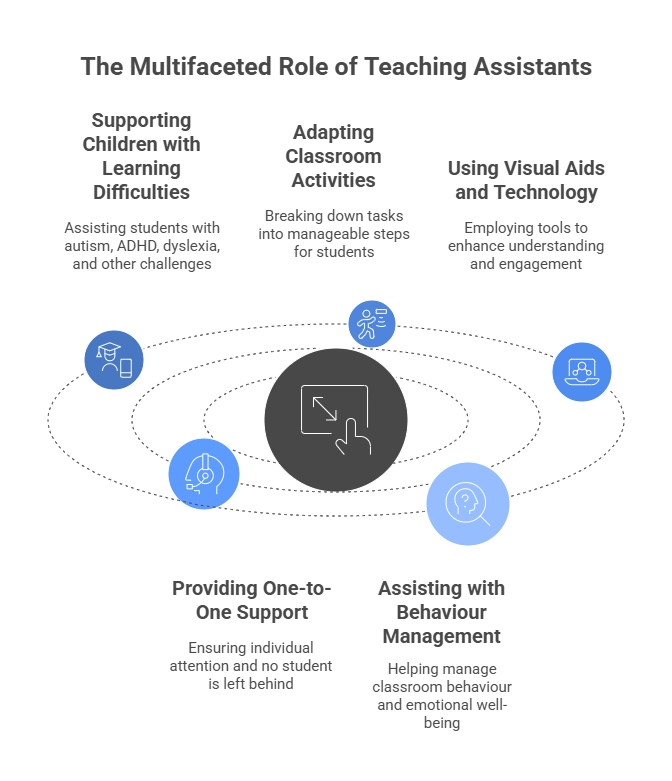
Teaching assistants are the backbone of inclusion in UK schools. Their role includes:

  • Supporting children with autism, ADHD, dyslexia, and other learning difficulties.
  • Adapting classroom activities into manageable steps.
  • Using visual aids, technology, and multi-sensory techniques.
  • Providing one-to-one support to ensure no pupil is left behind.
  • Assisting with behaviour management and emotional well-being.

By working closely with teachers and SENCOs, TAs bridge the gap between pupils’ challenges and classroom expectations.

Strategies That Make Inclusion Work

To build effective, inclusive classrooms, TAs can:

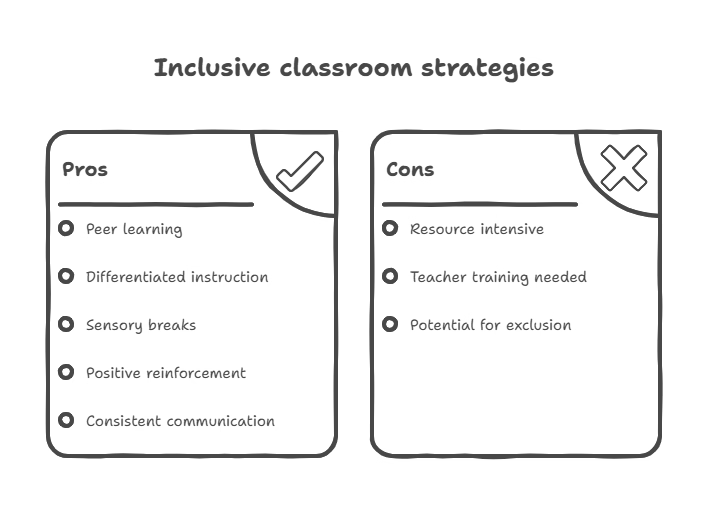
  • Encourage peer learning where pupils collaborate in mixed-ability groups.
  • Use differentiated instruction to match activities to pupils’ abilities.
  • Provide sensory breaks for children with autism or ADHD.
  • Promote positive reinforcement to encourage progress and boost confidence.
  • Communicate consistently with teachers, parents, and specialists.

Why Inclusive Education Matters

Inclusion benefits everyone:

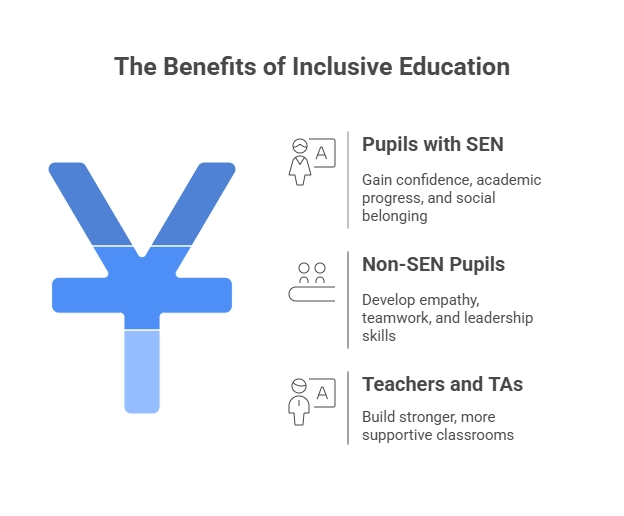
  • Pupils with SEN gain confidence, academic progress, and social belonging.
  • Non-SEN pupils develop empathy, teamwork, and leadership skills.
  • Teachers and TAs build stronger, more supportive classrooms.

This aligns with the SEND Code of Practice (DfE, 2015), which requires schools to deliver education that meets the needs of all pupils.

Building Your Skills as a TA

Inclusive classrooms demand skilled, confident TAs. By gaining specialist SEN training, you can:

  • Enhance your classroom impact.
  • Strengthen your CV with recognised qualifications.
  • Progress into higher-level roles such as HLTA or SENCO.

📌 To gain recognised SEN expertise, consider enrolling in the Special Educational Needs Teaching Assistant Course, which provides in-depth training on autism, ADHD, dyslexia, and behavioural support.

Sources

Conclusion

Inclusive classrooms are not just a policy — they’re a promise of equal opportunity in education. For teaching assistants, the role goes far beyond academic support; it’s about ensuring every child feels valued, understood, and capable of success.

By applying inclusive strategies and investing in professional training, TAs can make a powerful difference in the lives of pupils, shaping classrooms that work for everyone.

FAQs

  • What is the role of a TA in inclusive classrooms?
    TAs provide tailored support, adapt resources, and ensure pupils with SEN can access the curriculum.
  • What are examples of inclusive classroom strategies?
    Differentiated tasks, multi-sensory teaching, peer learning, and positive reinforcement.
  • Do TAs need training for inclusive education?
    While not legally required, SEN and inclusion training improve both effectiveness and employability.
  • Why is inclusion important in UK schools?
    It promotes equal opportunities, social integration, and improved learning outcomes for all pupils.
  • Can inclusive classrooms benefit non-SEN pupils?
    Yes — they gain empathy, teamwork skills, and improved social awareness.

Enhance your expertise with Apex Learning’s specialist programmes, including:

These accredited courses are designed to provide comprehensive skills and recognised qualifications to support your professional development in special educational needs and child support.

Our Blogs

Latest blog posts

The 6 Principles of Safeguarding: Protect Before Harm Happens" alt="The 6 Principles of Safeguarding: Protect Before Harm Happens" />

Would you know what to do if someone showed signs of abuse or neglect? Learn the 6 Principles of Safeguarding in simple words and discover how to recognise risks, report concerns, prevent harm, and protect vulnerable people with safer, more confident decisions.

Personal Development Goals: 5 Practical Examples That Work" alt="Personal Development Goals: 5 Meaningful Examples That Work" />

Want to become more focused, confident, and organised? This guide explains 5 personal development goals that can help you improve time management, communication, emotional intelligence, skill-building, and your daily routine.

TILE in Manual Handling: Meaning, Checklist & Safer Lifting Guide" alt="TILE in Manual Handling: Meaning, Checklist & Safer Lifting Guide" />

Struggling to understand TILE in Manual Handling? This guide breaks down the meaning, checklist and safer lifting steps so you can spot risks before injuries happen.