
Blog 9 minutes read

Motorbike Technician vs Car Mechanic: What’s the Difference?

Discover the difference between motorbike technicians and car mechanics. Learn about roles, training, tools, and salaries to choose the right automotive career path.

IT

Isla Thompson

Published January 13, 2026

Motorbike Technician vs Car Mechanic
arrow

Introduction

When planning a career in the automotive industry, one of the most common questions learners ask is: “Should I become a motorbike technician or a car mechanic?” Both roles are highly valued in the UK, with strong job demand across garages, dealerships, and MOT centres. However, the skills, training routes, and career opportunities in each path differ significantly, making it important to understand which option best suits your goals.

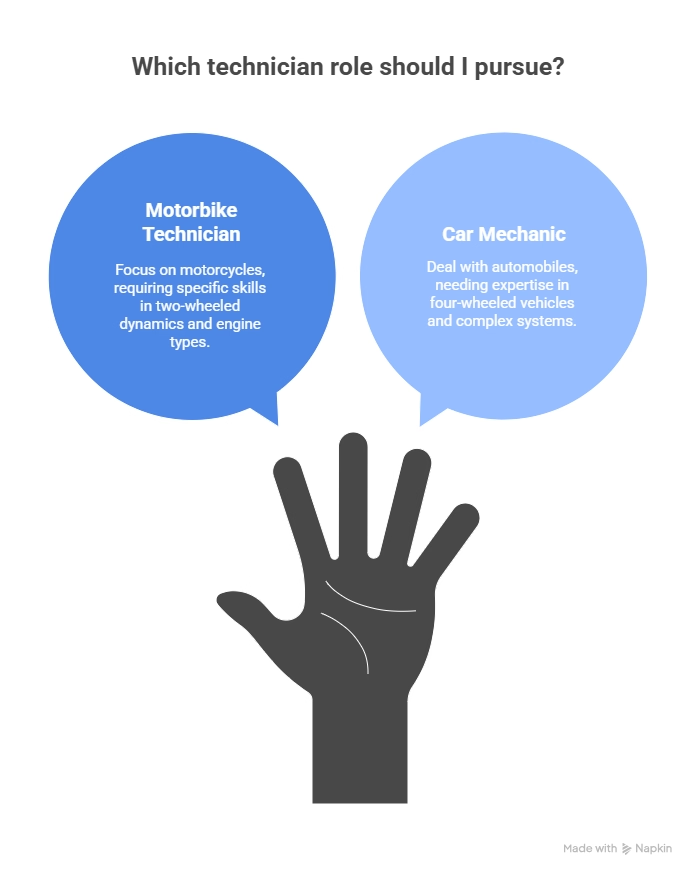
Motorbike technicians specialise in motorcycles, gaining expertise in diagnostics, servicing, engine repair, and safety checks. In contrast, car mechanics work on larger vehicles with more complex systems, including gearboxes, ECUs, and braking technology. In this blog, we’ll break down the key differences in responsibilities, qualifications, tools, and salaries to help you make an informed decision.

👉 If motorcycles are your passion, a CPD-accredited motorbike mechanic course UK, like the Motorbike Repairing and Maintenance Diploma, could be your fast-track route into the industry.

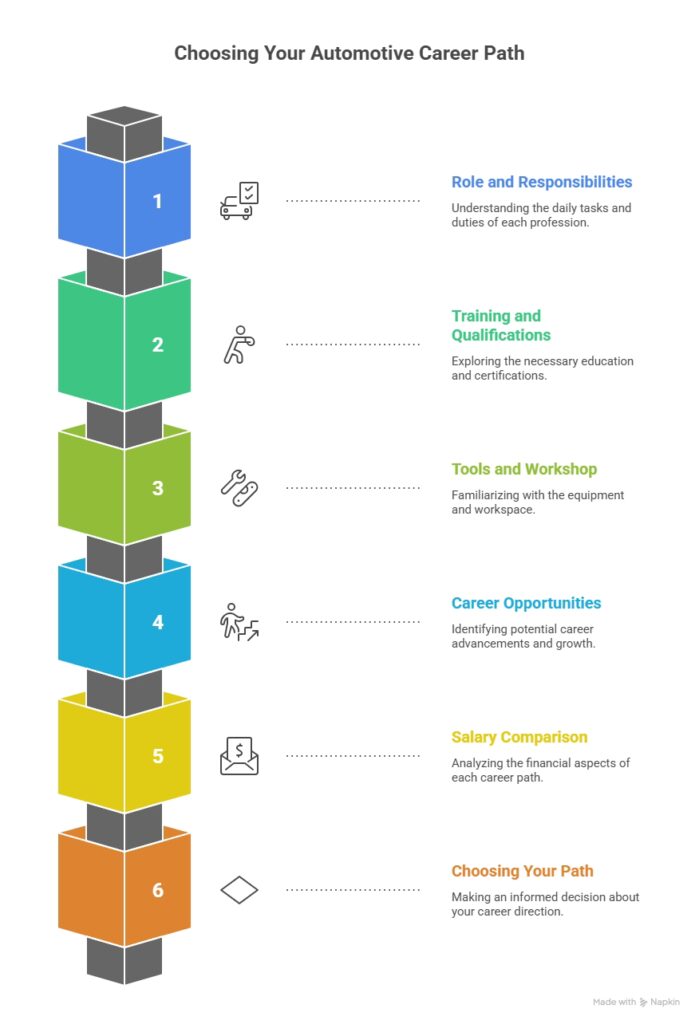
1. Role and Responsibilities

Although both careers fall under the automotive sector, the day-to-day duties of a motorbike technician and a car mechanic differ significantly.

A Motorbike Technician specialises in two-wheel vehicles, carrying out motorcycle diagnostics, servicing, safety checks, engine tuning, suspension adjustments, and electrical repairs. They often work in specialist garages, dealerships, or as self-employed professionals, providing tailored services for motorcycle owners. This role requires a strong eye for detail, as even small faults can significantly affect performance and road safety.

In contrast, a Car Mechanic works with larger, more complex vehicles. Their responsibilities include braking systems, transmissions, clutches, air conditioning units, exhausts, and advanced electronic diagnostics. Most car mechanics are employed in car garages, MOT centres, or dealership workshops, where they manage high volumes of vehicles and use heavy-duty diagnostic equipment.

👉 Understanding these distinctions will help you decide which career aligns best with your skills and long-term ambitions.

2. Training and Qualifications

The training route for a motorbike technician is typically shorter and more flexible compared to that of a car mechanic.

A Motorbike Technician can begin their journey with an online motorcycle repair training course or a Motorbike Repairing and Maintenance Diploma. These CPD-accredited programmes provide practical knowledge in diagnostics, servicing, and engine repair. Many learners complete their qualification in just 3–6 months, making it a fast-track option for those eager to start working or open their own garage. Online training is especially popular, as it allows students to study at their own pace while still gaining a recognised certificate.

In contrast, a Car Mechanic often follows a longer pathway through apprenticeships or Level 2–3 NVQs in Vehicle Maintenance and Repair, which can take between 1–3 years to complete. These qualifications provide broader training across complex automotive systems and are usually delivered through college programmes or employer partnerships.

3. Tools and Workshop Environment

The equipment and working environment for motorbike technicians and car mechanics differ considerably, reflecting the unique demands of motorcycles versus cars.

A Motorbike Technician typically works with more compact, precision-focused tools. These include specialist diagnostic devices for smaller engines, carburettors, ignition systems, and suspension components, as well as two-wheel balancing machines and lightweight lifting equipment. Workshops for motorbike repair are generally smaller, offering a more focused environment for tasks such as engine tuning, brake servicing, and safety inspections.

In contrast, a Car Mechanic requires heavier-duty tools to manage the size and complexity of vehicles. Equipment often includes hydraulic lifts, gearbox jacks, advanced computer diagnostic systems, and electronic control unit (ECU) readers. Car workshops are usually larger and busier, accommodating multiple vehicles at once and involving a wider variety of servicing jobs, from transmission rebuilds to air conditioning repairs.

👉 Choosing between these roles depends on whether you prefer precision motorcycle servicing or large-scale automotive repair.

4. Career Opportunities

Both motorbike technicians and car mechanics enjoy strong career prospects in the UK automotive industry, but the progression routes vary depending on your specialism.

A Motorbike Technician can advance into roles such as Workshop Supervisor, Motorcycle Inspector, Engine Specialist, or Electrical Systems Technician. Many also choose the self-employment route, opening independent garages or offering mobile motorcycle repair services. With additional training, technicians can specialise in areas like performance tuning or MOT inspections, which often lead to higher salaries and niche expertise.

By comparison, a Car Mechanic has access to a wider range of roles in larger auto repair chains. Career paths include MOT Tester, Diagnostic Technician, or Master Technician, where mechanics work with advanced electronic systems and complex vehicle technology. Progression may also lead to supervisory or management positions in dealerships and national service centres.

👉 Both pathways offer rewarding opportunities — the right choice depends on your passion for either motorcycles or cars.

5. Salary Comparison (UK 2025-2026)

When comparing the earning potential of a motorbike technician and a car mechanic, it’s clear that both roles provide solid career opportunities in the UK automotive industry. However, salaries can differ depending on the type of vehicle, level of expertise, and workplace setting.

A Motorbike Technician typically earns between £18,000 and £22,000 at entry level. With experience and specialisation in areas such as engine diagnostics, electrical systems, or suspension tuning, earnings can rise to £28,000 – £30,000+ per year. Self-employed motorbike mechanics who run their own garages may also earn more, depending on location and client demand.

By comparison, a Car Mechanic often starts at a slightly higher salary of £20,000 – £24,000. With advanced training or progression to roles such as Diagnostic Technician or Master Technician, salaries can increase to £32,000 – £38,000+ annually.

👉 Both careers offer rewarding salaries, with car mechanics generally earning more due to the larger vehicle market.

(Sources: Indeed UK, National Careers Service)

6. Which Path Should You Choose?

Deciding between becoming a motorbike technician or a car mechanic depends largely on your interests, career goals, and preferred working environment.

Choose the Motorbike Technician route if you have a genuine passion for motorcycles and enjoy hands-on repair, diagnostics, and servicing of smaller engines. Training is faster, often completed in 3–6 months through an online motorcycle repair training course, making it an ideal option if you want to start working quickly. This pathway also suits those interested in self-employment, as many motorbike technicians successfully open their own independent garages.

On the other hand, choose the Car Mechanic path if you prefer working in larger workshops with more complex systems. While the training usually takes longer, it can lead to higher salary ceilings and broader opportunities in dealerships, MOT centres, and national repair chains.

👉 Ultimately, the best choice depends on whether your passion lies with two wheels or four.

Motorbike Technician vs Car Mechanic: Quick Comparison


Aspect

Motorbike Technician

Car Mechanic


Role & Focus

Works on motorcycles — diagnostics, servicing, safety checks, suspension, and engine tuning.

Works on cars — braking systems, transmissions, air conditioning, exhausts, and ECUs.

Training & Qualification

Can complete a Motorbike Repairing and Maintenance Diploma or Motorcycle Repair Training Course in 3–6 months (CPD-accredited).

Usually requires an apprenticeship or NVQ Level 2–3 in Vehicle Maintenance and Repair, taking 1–3 years.

Tools & Workshop

Uses smaller, specialist tools for engines, carburettors, suspension, and two-wheel balancing.

Requires heavier diagnostic equipment, hydraulic lifts, and ECU readers in larger workshops.

Salary (UK 2025)

Entry: £18,000–£22,000

Entry: £20,000–£24,000


Experienced: £28,000–£30,000+

Experienced: £32,000–£38,000+

Career Path

Progression to Workshop Supervisor, Motorcycle Inspector, Engine Specialist, or self-employed garage owner.

Progression to MOT Tester, Diagnostic Technician, Master Technician, or Workshop Manager in larger auto chains.


Fast-Track Options

If you’re eager to enter the automotive industry quickly, training as a motorbike technician offers one of the fastest routes. With an online course such as the Motorbike Repairing and Maintenance Diploma, you can gain recognised, CPD-accredited skills in just 3 to 6 months, all through flexible, self-paced learning. This means you could be job-ready in less than half a year.

By comparison, becoming a car mechanic often involves longer apprenticeships or NVQs that take 1–3 years to complete. While both career paths are rewarding, the motorcycle route is ideal if you want a quicker entry point into the industry.

👉 By choosing the right training path, you can secure a qualification that fits your personal and professional goals — whether that’s working in a garage, joining a dealership, or eventually opening your own repair business.

Conclusion

Both motorbike technicians and car mechanics play vital roles in keeping the UK’s automotive industry running smoothly. Each career path comes with unique responsibilities, training routes, and earning potential. Ultimately, the best choice depends on your personal interests, long-term career goals, and the type of training experience you prefer.

If you’re passionate about motorcycles and want a quicker, more flexible way to gain recognised skills, becoming a motorbike technician may be the ideal option. With a CPD-accredited motorbike mechanic course such as the Motorbike Repairing and Maintenance Diploma, you can qualify in as little as 3–6 months and begin working in garages, dealerships, or even running your own independent workshop.

👉 Ready to take the next step? Enrol in this motorbike repair course today and secure a career in motorcycle maintenance and repair with skills that employers across the UK trust.

FAQs

  • What is the main difference between a motorbike technician and a car mechanic?
    A motorbike technician specialises in motorcycles, focusing on diagnostics, servicing, engine repair, and safety checks. A car mechanic works with larger vehicles, handling complex systems such as transmissions, braking, and ECUs.
  • Which career path is quicker to train for?
    Training to become a motorbike technician is usually faster. A Motorbike Repairing and Maintenance Diploma can be completed in 3–6 months, while car mechanic apprenticeships or NVQs often take 1–3 years.
  • Do motorbike technicians earn less than car mechanics?
    On average, motorbike technicians start at £18,000–£22,000 and can reach £30,000+ with experience. Car mechanics typically earn slightly higher, with experienced roles paying £32,000–£38,000+ per year.
  • Can I open my own garage after becoming a motorbike technician?
    Yes. Many motorbike technicians choose self-employment, opening independent garages or offering mobile motorcycle repair services.
  • 5. Which career is better for the future?
    Both roles are secure, but if you want faster training and flexibility, motorbike repair is ideal. If you prefer broader opportunities and higher earning ceilings, car mechanics may be a better fit.

Our Blogs

Latest blog posts

The 6 Principles of Safeguarding: Protect Before Harm Happens" alt="The 6 Principles of Safeguarding: Protect Before Harm Happens" />

Would you know what to do if someone showed signs of abuse or neglect? Learn the 6 Principles of Safeguarding in simple words and discover how to recognise risks, report concerns, prevent harm, and protect vulnerable people with safer, more confident decisions.

Personal Development Goals: 5 Practical Examples That Work" alt="Personal Development Goals: 5 Meaningful Examples That Work" />

Want to become more focused, confident, and organised? This guide explains 5 personal development goals that can help you improve time management, communication, emotional intelligence, skill-building, and your daily routine.

TILE in Manual Handling: Meaning, Checklist & Safer Lifting Guide" alt="TILE in Manual Handling: Meaning, Checklist & Safer Lifting Guide" />

Struggling to understand TILE in Manual Handling? This guide breaks down the meaning, checklist and safer lifting steps so you can spot risks before injuries happen.