

Are you considering a career as a teaching assistant in the UK? Completing a Teaching Assistant Diploma can open the door to a wide range of opportunities in schools, colleges, and SEN support roles. With over 280,000 teaching assistants currently employed in England, demand continues to rise as schools focus on inclusive education and specialist learning support.
If you’re wondering what comes next after earning your qualification, this guide will walk you through the most rewarding career progression paths available to TAs.
From Teaching Assistant to Specialist Roles
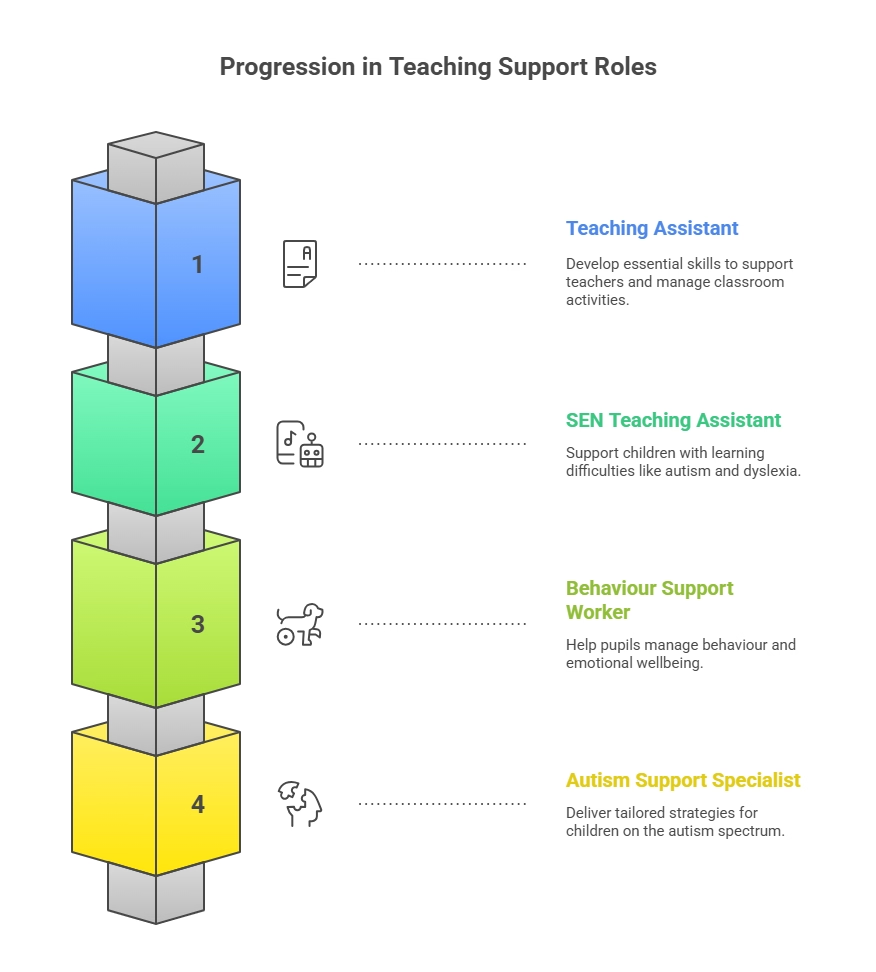
Starting as a Level 3 Teaching Assistant provides you with the essential skills to support teachers, manage classroom activities, and help pupils succeed. However, many TAs progress further into specialist areas, such as:
- SEN Teaching Assistant – supporting children with autism, ADHD, dyslexia, and other learning difficulties.
- Behaviour Support Worker – working with pupils who need extra help managing behaviour and emotional wellbeing.
- Autism Support Specialist – delivering tailored strategies for children on the autism spectrum.
➡️ Each of these roles not only increases your expertise but also enhances your employability across UK schools.
Higher Level Teaching Assistant (HLTA)
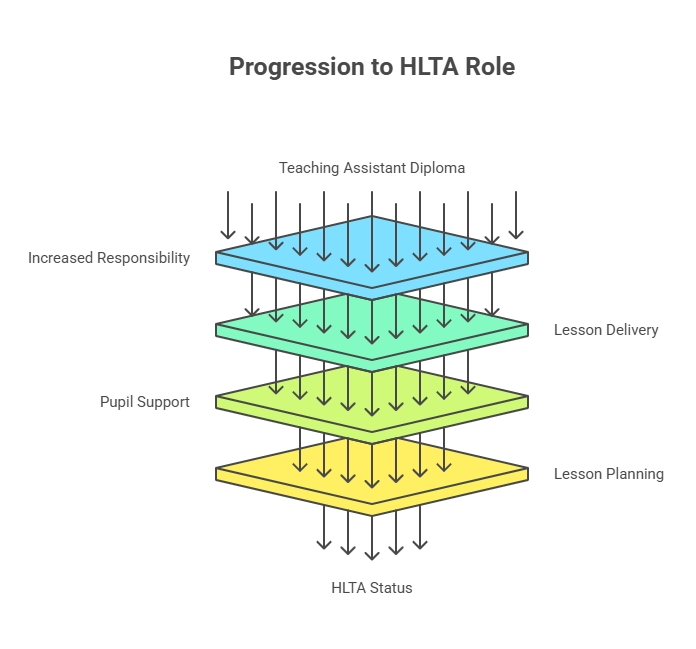
One of the most common steps after completing a Teaching Assistant Diploma is advancing to Higher Level Teaching Assistant (HLTA) status.
As an HLTA, you will:
- Take on greater responsibility in the classroom.
- Deliver lessons under a teacher’s supervision.
- Provide small-group or one-to-one support for pupils.
- Help with lesson planning and assessment.
📌 Salary progression: HLTAs in the UK earn between £21,000 – £28,000 per year, depending on location and experience.
SENCO and Advanced Pathways
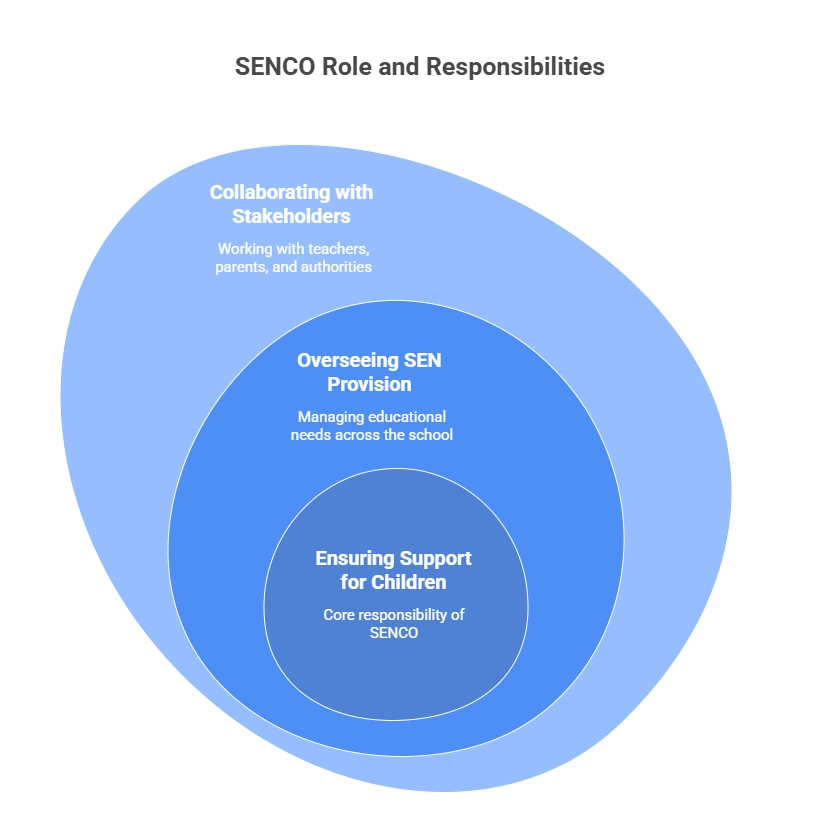
For TAs passionate about special educational needs, completing further training can lead to becoming a Special Educational Needs Coordinator (SENCO). This leadership role allows you to:
- Oversee SEN provision across a school.
- Work directly with teachers, parents, and local authorities.
- Ensure children with learning difficulties receive the right support.
SENCO roles often offer higher salaries (£30,000 – £40,000+) and strong job security.
Early Years and Childcare Opportunities
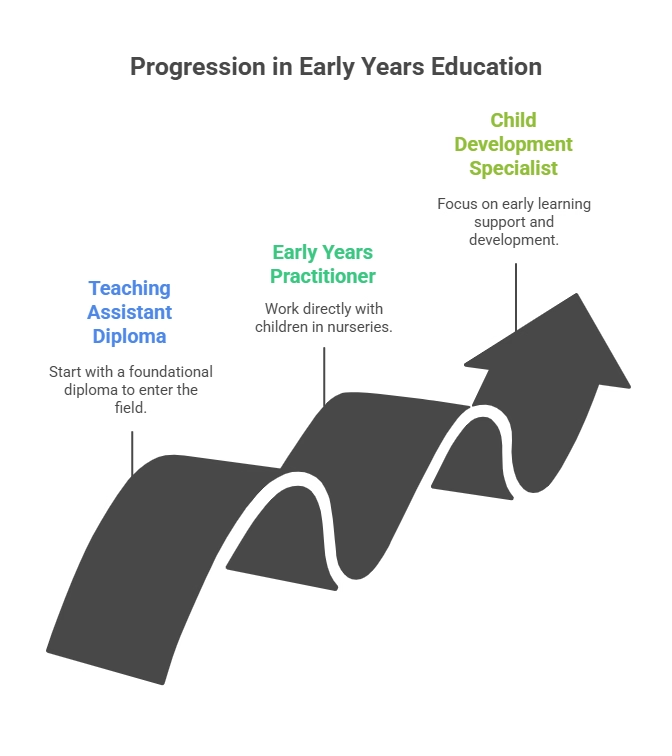
A Teaching Assistant Diploma can also support progression into early years education and childcare roles. With further study, you could become:
- An Early Years Practitioner working in nurseries.
- A Child Development Specialist focusing on early learning support.
This pathway is ideal for those who enjoy working with younger children in their crucial foundation years.
Why Career Progression Matters for TAs
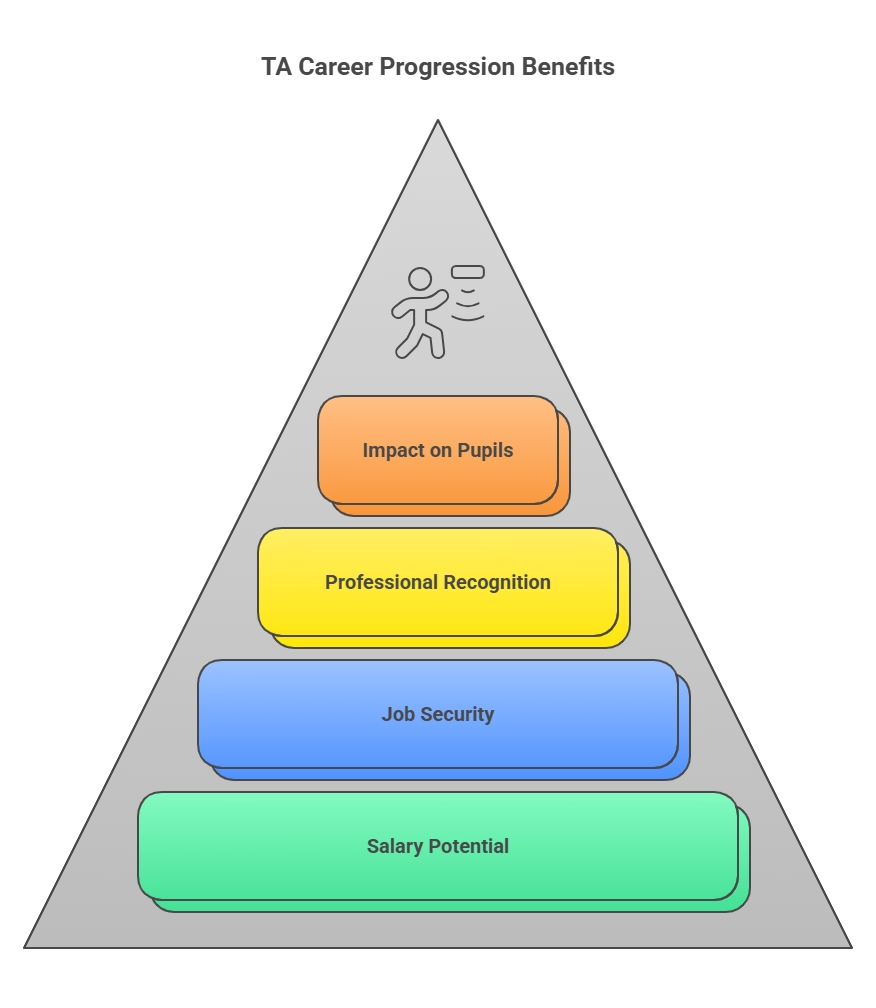
Progressing in your teaching assistant career brings multiple benefits:
- Higher salary potential in specialist and leadership roles.
- Job security in one of the UK’s fastest-growing education sectors.
- Professional recognition with CPD-accredited qualifications.
- The chance to make a bigger impact on pupils’ learning and wellbeing.
Every step you take in your teaching assistant career not only advances your skills but also strengthens your future in education.
How to Boost Your Career With the Right Diploma
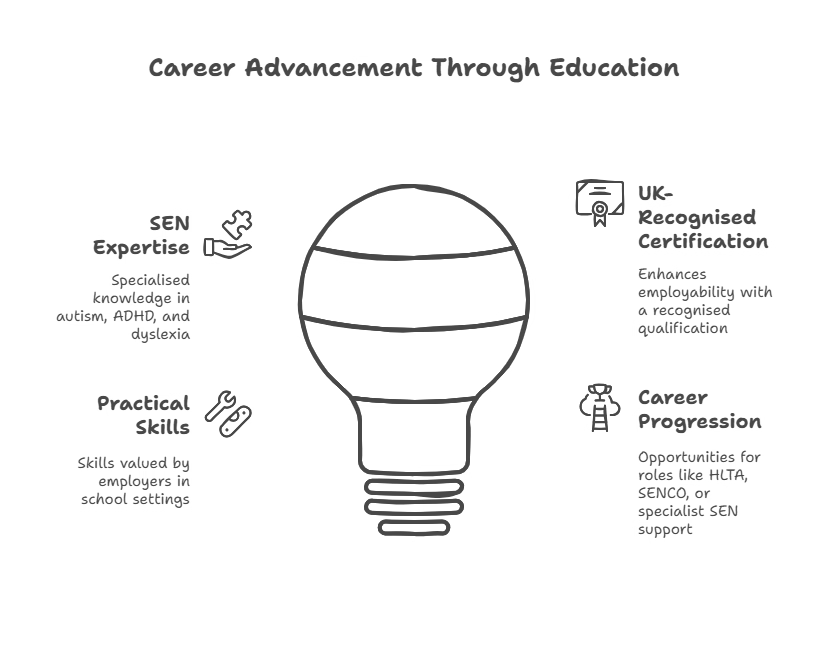
To move forward in your career, choosing the right training is crucial. The Complete Teaching Assistant Diploma Level 3 (CPD Accredited) is designed to give you:
- SEN expertise in autism, ADHD, and dyslexia.
- UK-recognised certification to improve employability.
- Practical skills that employers value in schools.
With this qualification, you can confidently progress towards HLTA, SENCO, or specialist SEN support roles.
Conclusion
Completing a Teaching Assistant Diploma is just the beginning. Whether you aim to specialise in SEN, progress to HLTA, or move into leadership as an SENCO, the pathways are wide open.
Now is the perfect time to invest in your future, gain recognised qualifications, and take the next step towards a rewarding career in education.
👉 Start your journey today with our CPD-accredited Teaching Assistant courses and unlock your career progression opportunities.
source: Department for Education, National Careers Service, SEND Code of Practice (DfE/DoHSC), UCAS – Routes into teaching (England)
FAQs
What jobs can I progress to after a Teaching Assistant Diploma?
You can move into roles such as Higher Level Teaching Assistant (HLTA), SEN Teaching Assistant, Behaviour Support Worker, Autism Support Specialist, or Early Years Practitioner, with clear pathways towards SENCO and pastoral leadership in UK schools.
How long does it take to progress from TA to HLTA?
Typically 12–24 months with consistent classroom experience, strong references, and mapped evidence against the HLTA Professional Standards.
Do I need Qualified Teacher Status (QTS) to become an HLTA?
No. HLTA does not require QTS, but you must demonstrate competence across HLTA standards and usually pass a school-based assessment.
Which extra qualifications help me progress fastest?
Short, targeted CPD in SEN (Autism, ADHD, Dyslexia), safeguarding, behaviour management, and literacy/numeracy support are the quickest wins for promotion and pay.
Can a Teaching Assistant become a qualified teacher?
Yes. Many TAs use their diploma, experience, and subject knowledge to progress via QTS routes, such as PGCE or School Direct, often with school sponsorship.
What does salary progression look like for TAs in the UK?
Entry roles start around £18k–£22k (pro-rata, term-time). HLTA roles often reach £21k–£28k+, and SENCO/lead roles can exceed £35k–£40k depending on the local authority and responsibilities.
Which skills most boost my promotion prospects?
Proven impact in SEN support, classroom behaviour, small-group intervention, assessment for learning, communication with parents, and collaboration with teachers/SENCOs.
Is specialising in SEN worth it?
Absolutely. UK schools face sustained demand for SEN expertise, making SEN-trained TAs more competitive for HLTA, intervention, and leadership pathways.
Do schools value CPD-accredited certificates?
Yes. CPD-accredited training signals current, structured learning and helps your application stand out against local competition.
Will Early Years experience help my progression?
Yes. EYFS experience develops safeguarding, speech-and-language support, and differentiated instruction — all valued in primary schools and SEN settings.
Do I need a DBS check for progression?
Yes. An enhanced DBS (and keeping it up to date) is essential for ongoing employment and advanced responsibilities.
Can I progress on a part-time or term-time schedule?
Yes. Many schools offer term-time roles with CPD during INSET days; you can still build the portfolio evidence needed for HLTA or specialist posts.
How do I stand out when applying for HLTA posts?
Show measurable pupil progress, lead interventions, evidence lesson delivery under teacher guidance, and align your portfolio to each HLTA standard.
What CPD should I complete each year?
Prioritise safeguarding updates, SEN strands (Autism/ADHD/Dyslexia), ELSA/SEMH, phonics, and assessment & feedback — all directly linked to pupil outcomes.
What’s the best next step after finishing my diploma?
Update your CV, request observed responsibilities (small-group delivery/cover), and book targeted SEN and behaviour CPD to accelerate your progress towards HLTA or a specialist track.
" alt="The 6 Principles of Safeguarding: Protect Before Harm Happens" />
" alt="Personal Development Goals: 5 Meaningful Examples That Work" />
" alt="TILE in Manual Handling: Meaning, Checklist & Safer Lifting Guide" />