


Blog 5 minutes read

Your Guide to ADHD Support Strategies as a Teaching Assistant

Discover effective ADHD support strategies for teaching assistants in UK classrooms. Learn SEN techniques, classroom management, and training options to boost your TA career.


IT

Isla Thompson

Published August 26, 2025

ADHD Teaching Assistant
arrow

Attention Deficit Hyperactivity Disorder (ADHD) affects around 5% of school-aged children in the UK NHS†source, making it one of the most common special educational needs (SEN) that teachers and support staff encounter. For many pupils, having the right classroom support can be life-changing.

As a teaching assistant (TA), your role in helping pupils with ADHD is crucial. You provide structure, reassurance, and strategies that enable learners to focus, achieve, and feel included in the classroom. This guide explores practical ADHD support strategies, the skills you’ll need, and the career benefits of becoming an SEN-trained TA.

Why ADHD Support Matters in UK Classrooms

Children with ADHD often struggle with attention, impulse control, and hyperactivity. Left unsupported, this can impact their academic progress, social development, and self-esteem.

That’s where teaching assistants step in — offering targeted support strategies that help students stay on track while reducing classroom disruption.

With SEN needs rising in schools, demand for trained TAs specialising in ADHD support is higher than ever.

ADHD Support Strategies for Teaching Assistants

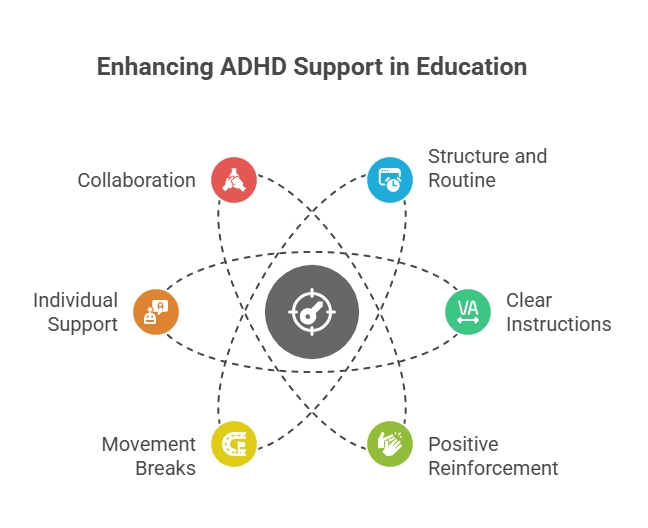
1. Structure and Routine

Pupils with ADHD benefit from predictable routines—TAs help by introducing visual timetables, step-by-step instructions, and consistent expectations throughout the school day.

2. Clear and Concise Instructions

Breaking tasks into smaller, manageable chunks with short, clear instructions reduces overwhelm and helps pupils stay engaged.

3. Positive Behaviour Support

Reinforcing positive behaviour with praise, rewards, and encouragement helps motivate pupils and improves classroom dynamics.

4. Movement and Sensory Breaks

Short activity breaks or access to calm spaces allow pupils to manage restlessness and refocus.

5. One-to-One or Small-Group Support

TAs often work individually with pupils who need extra guidance to complete tasks, reinforcing learning while building confidence.

6. Collaboration with SENCOs and Teachers

Effective ADHD support relies on teamwork. TAs regularly liaise with teachers, SENCOs, and parents to adapt teaching strategies and track progress.

Skills Every TA Needs to Support ADHD

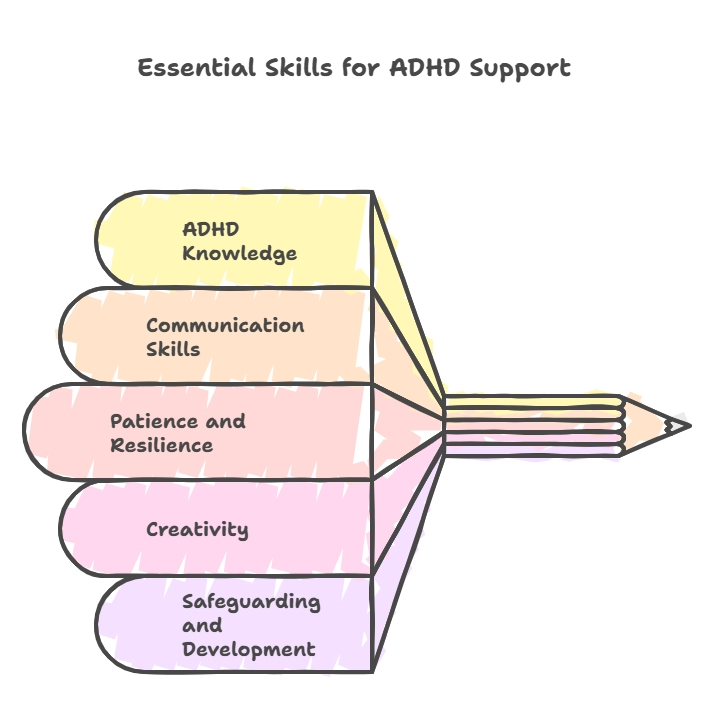
To successfully support pupils with ADHD, teaching assistants should develop:

  • Knowledge of ADHD and SEN strategies.
  • Excellent communication skills.
  • Patience and resilience for managing challenging behaviour.
  • Creativity in adapting resources and lessons.
  • A strong understanding of safeguarding and child development.

📌 Want to build these skills? Explore our ADHD in Education Certificate to gain CPD-accredited expertise that schools across the UK value. Career Pathways for TAs Specialising in ADHD

By specialising in ADHD and SEN support, you’ll open up a range of in-demand education roles, including:

  • SEN Teaching Assistant (£18,000–£26,000/year)
  • ADHD Support Worker (£19,000–£27,000/year)
  • Learning Mentor (£20,000–£28,000/year)
  • Early Years SEN Practitioner

With additional qualifications and experience, you can progress to Higher Level Teaching Assistant (HLTA) or SENCO roles, offering leadership responsibilities and higher salaries.

Why Training is Essential

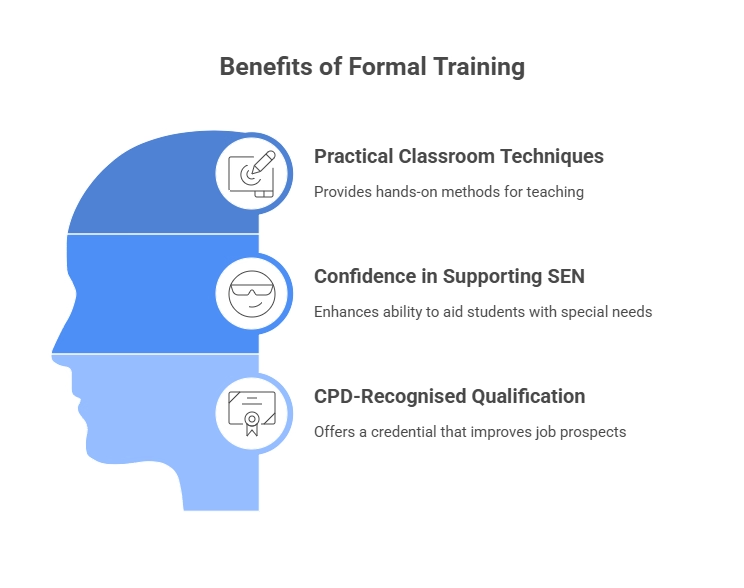
While experience is valuable, formal training ensures you have evidence-based strategies and recognised certification. Accredited SEN courses give you:

  • Practical classroom techniques.
  • Confidence in supporting ADHD and other SEN conditions.
  • A CPD-recognised qualification that boosts employability in UK schools.


👉Start your journey today with our SEN Teaching Assistant & Child Development Course and gain the specialist skills to support children with ADHD effectively.

🎓 Conclusion

Teaching assistants are essential in helping pupils with ADHD succeed in the classroom. By offering structure, positive reinforcement, tailored support, and collaboration with teachers, TAs make a lasting difference in the lives of children with ADHD.

With demand for SEN-trained staff on the rise, now is the perfect time to gain the right training and qualifications.

👉 Take the next step with our ADHD in Education Certificate and start building a rewarding career supporting learners who need your expertise most.


❓ FAQs

1. How do teaching assistants support children with ADHD in the UK?

They provide structure, clear instructions, movement breaks, and positive reinforcement while working closely with teachers and SENCOs.

2. Do I need training to support pupils with ADHD?

While not legally required, ADHD awareness and SEN training greatly improve your effectiveness and employability in schools.

3. What career roles can I pursue with ADHD support training?

You could become an SEN TA, ADHD Support Worker, Learning Mentor, HLTA, or progress into SENCO positions.

4. Is ADHD covered in TA qualifications?

Yes. Many Level 3 and specialist SEN courses include modules on ADHD, autism, dyslexia, and behaviour management.

5. Can TAs provide one-to-one support for ADHD pupils?

Yes, depending on the child’s needs and school provision, TAs often deliver individualised or small-group support.

Advance your career in education with Appex Learning’s nationally recognised teaching assistant qualifications. Start with the Advanced Teaching Assistant Diploma, designed for aspiring TAs who want to build strong classroom skills and SEN knowledge. Then progress to the Level 4 Certificate for Higher Level Teaching Assistants (HLTA) — preparing you to take on senior responsibilities such as leading small groups, supporting pupils with special educational needs, and delivering planned lessons confidently in UK classrooms.

Our Blogs

Latest blog posts

The 6 Principles of Safeguarding: Protect Before Harm Happens" alt="The 6 Principles of Safeguarding: Protect Before Harm Happens" />

Would you know what to do if someone showed signs of abuse or neglect? Learn the 6 Principles of Safeguarding in simple words and discover how to recognise risks, report concerns, prevent harm, and protect vulnerable people with safer, more confident decisions.

Personal Development Goals: 5 Practical Examples That Work" alt="Personal Development Goals: 5 Meaningful Examples That Work" />

Want to become more focused, confident, and organised? This guide explains 5 personal development goals that can help you improve time management, communication, emotional intelligence, skill-building, and your daily routine.

TILE in Manual Handling: Meaning, Checklist & Safer Lifting Guide" alt="TILE in Manual Handling: Meaning, Checklist & Safer Lifting Guide" />

Struggling to understand TILE in Manual Handling? This guide breaks down the meaning, checklist and safer lifting steps so you can spot risks before injuries happen.