


Blog 4 minutes read

Why Choose CPD or QLS-Endorsed Courses in Health and Social Care?

CPD and QLS-endorsed health and social care courses boost employability, meet UK care standards, and open doors to NHS & care home roles. Learn why they matter.

IT

Isla Thompson

Published April 8, 2026

Why Choose CPD or QLS-Endorsed Courses in Health and Social Care?
arrow

Introduction

The UK adult social care sector needs 490,000 more care workers by 2035, according to Skills for Care — a clear signal that employers value candidates with the right, recognised training. That’s why choosing CPD or QLS-endorsed courses in health and social care is a smart move. These qualifications show you’re up to date with safeguarding, CQC expectations, GDPR, and person-centred practice, giving hiring managers instant confidence in your abilities. Whether you’re aiming for a healthcare assistant role or stepping towards senior responsibilities, accredited learning helps you stand out, build credibility, and move faster into secure, better-paid positions. With flexible online study and practical, employer-focused content, you gain job-ready skills you can apply from day one in hospitals, care homes, and community settings. If you want a competitive edge and a clear route to Level 4 and Level 5 progression, start with recognised training that proves your commitment and competence.

Why QLS Endorsement Adds Extra Value

A QLS-endorsed health and social care qualification gives you an extra layer of credibility that employers notice. It shows that your course has been independently reviewed, structured, and assessed to meet a recognised educational standard, giving hiring managers confidence in the quality of your training. Completing a QLS-endorsed programme also proves that you’ve followed a comprehensive, high-quality study path and are committed to professional development — something employers value when hiring for care roles. This endorsement can give you the edge over other applicants when applying for competitive NHS Band 2–3 positions or care home jobs, helping you stand out as a capable and well-prepared candidate.

CPD vs QLS – Which Should You Choose?

The good news is you don’t have to pick one over the other.
Some providers (like Apex Learning) offer CPD-accredited courses that are also QLS-endorsed, giving you double the credibility.

Benefits of Choosing Recognised Courses

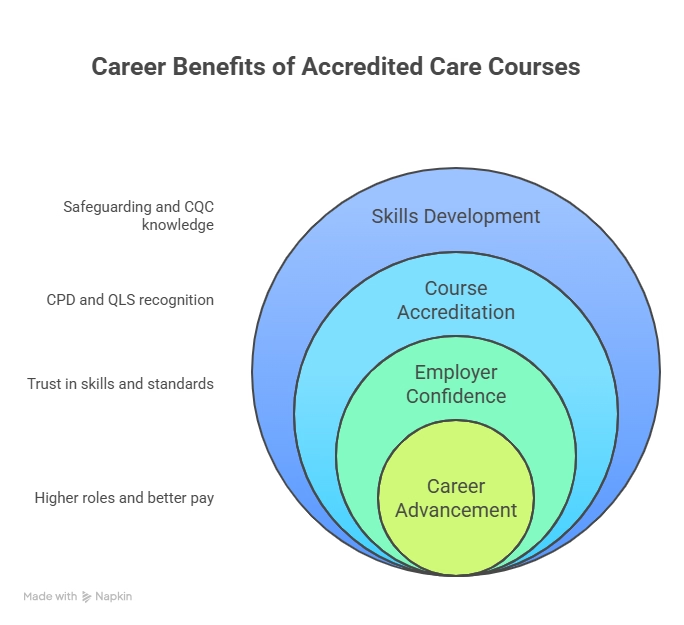
Choosing a CPD or QLS-endorsed health and social care course gives you the credibility and confidence you need to succeed in the UK care sector. These recognised qualifications build employer trust, proving that you meet UK care standards and are ready for real-world responsibilities. They also give you clear career pathways, allowing you to progress seamlessly to Level 4 and Level 5 diplomas for senior roles. Because the courses are 100% online and self-paced, you can fit your studies around work or family commitments without sacrificing quality. Most importantly, completing a recognised qualification can increase your job security, making you more likely to secure roles in the NHS, care homes, and community care — and stand out from other applicants.

Career Impact of Accredited Training

According to the UK Commission for Employment and Skills, qualified care workers earn up to £4,000 more per year than unqualified staff.
Completing a recognised qualification not only helps you land a job faster but also puts you on the path to higher-paid senior roles.

Final Thoughts – Take the Next Step

Conclusion

Choosing CPD-accredited or QLS-endorsed courses isn’t just about getting a certificate — it’s about proving to employers that you have the right skills, knowledge, and commitment to quality care.

With a recognised qualification, you’ll feel confident applying for NHS Band 2–3 roles, care home positions, or domiciliary care jobs, knowing you meet CQC and employer expectations. The right training can make the difference between just having experience and becoming a trusted, job-ready professional.

🎓 Next Step: Enrol in the Level 3 Diploma in Health and Social Care and secure your free bonus courses (worth over £500) before the offer ends.

FAQs

Are CPD-accredited courses recognised by the NHS?

Yes — CPD-accredited courses are widely accepted by NHS trusts and private care providers as proof of ongoing professional development.

Are QLS-endorsed courses the same as NVQs?

No — QLS is an endorsement of course quality, while NVQs are Ofqual-regulated qualifications. QLS courses still carry weight with employers and are excellent for CPD.

Can I get a job with just a CPD or QLS-endorsed course?

Yes, many learners use CPD or QLS-recognised courses to secure entry-level roles such as healthcare assistant, support worker, or domiciliary carer.

Do I need Level 2 before taking Level 3?

No — you can enrol directly in a Level 3 Health and Social Care course without completing Level 2, making it perfect for beginners and career changers.

Are CPD and QLS qualifications valid for career progression?

Yes — they provide recognised evidence of skills and are a stepping stone to higher qualifications like Level 4 and Level 5 diplomas.

Our Blogs

Latest blog posts

The 6 Principles of Safeguarding: Protect Before Harm Happens" alt="The 6 Principles of Safeguarding: Protect Before Harm Happens" />

Would you know what to do if someone showed signs of abuse or neglect? Learn the 6 Principles of Safeguarding in simple words and discover how to recognise risks, report concerns, prevent harm, and protect vulnerable people with safer, more confident decisions.

Personal Development Goals: 5 Practical Examples That Work" alt="Personal Development Goals: 5 Meaningful Examples That Work" />

Want to become more focused, confident, and organised? This guide explains 5 personal development goals that can help you improve time management, communication, emotional intelligence, skill-building, and your daily routine.

TILE in Manual Handling: Meaning, Checklist & Safer Lifting Guide" alt="TILE in Manual Handling: Meaning, Checklist & Safer Lifting Guide" />

Struggling to understand TILE in Manual Handling? This guide breaks down the meaning, checklist and safer lifting steps so you can spot risks before injuries happen.