



Blog 7 minutes read

Top Skills Every Great Teaching Assistant Should Have

Discover what qualifications you need to be a teaching assistant in the UK. Learn about Level 2 & 3 TA courses, SEN training, entry routes & career paths.


IT

Isla Thompson

Published May 11, 2026

Top Skills Every Great Teaching Assistant Should Have
arrow

Introduction

With more than 280,000 teaching assistants currently working in schools across England (Department for Education), it’s clear that TAs are an essential part of the UK’s education system. But what makes a teaching assistant truly great? Beyond qualifications, employers are looking for specific skills that enable TAs to support teachers effectively and help pupils thrive.

In this guide, we’ll explore the top skills every great teaching assistant should have — from communication and safeguarding to SEN support — and show you how to develop them to build a successful career.

1. Communication Skills

Clear communication is at the heart of every teaching assistant’s role, as you’ll be supporting a wide range of pupils and working alongside teachers, SENCOs, and parents. A great TA can break down complex instructions into simple, age-appropriate language that children can easily understand, ensuring no pupil feels left behind. You’ll also need to adjust your communication style to suit different learning abilities — for example, using visual aids, simplified vocabulary, or supportive prompts for children with Autism, ADHD, or Dyslexia.

Strong communication isn’t just about speaking; it also involves active listening. Teaching assistants must pay close attention to pupils’ needs, pick up on non-verbal cues, and respond with empathy and patience. Equally important is your ability to share observations with teachers and SEN specialists, so that children receive the right support.

By developing these skills, you’ll not only help pupils thrive academically but also foster positive relationships in the classroom, making you an indispensable part of the school team.

👉 Training through the Complete Teaching Assistant Diploma Level 3 (TA, SEN, Autism, ADHD & Dyslexia) helps you develop professional communication strategies tailored for classroom settings.

2. Patience and Empathy

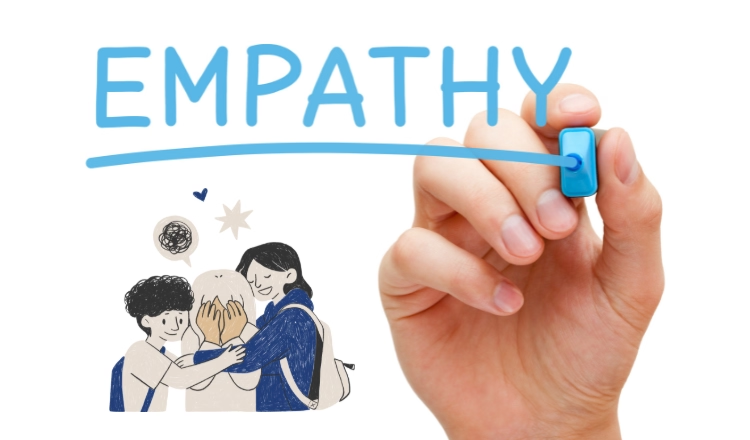
Patience and empathy are essential qualities for every teaching assistant, as children learn at different paces and often need additional emotional support. A great TA can manage classroom challenges calmly, offering reassurance and guidance even when situations become difficult. These qualities are particularly important when supporting pupils with Autism, ADHD, or Dyslexia, who may require extra time, understanding, and tailored approaches to learning. By showing patience and empathy, you build trust with children who need encouragement, helping them feel safe, valued, and motivated to succeed.

3. Behaviour Management

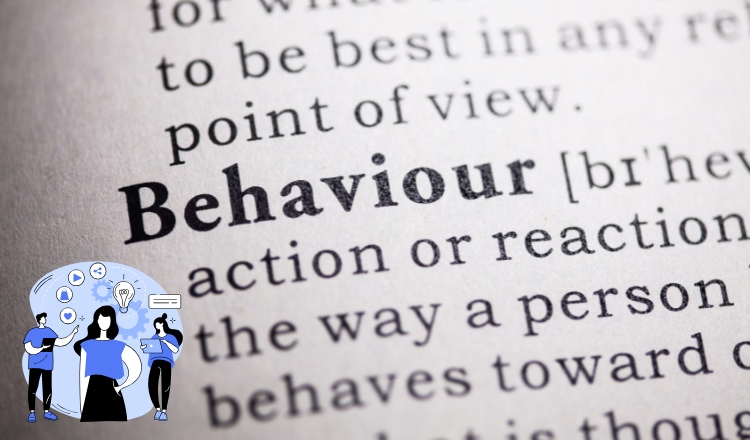
Effective behaviour management is one of the most important skills for teaching assistants, as it helps maintain a positive and structured classroom environment. Great TAs know how to apply behaviour strategies consistently, reinforcing rules and expectations while remaining calm and supportive. You’ll often assist teachers in establishing routines that encourage respect, cooperation, and focus, which in turn helps pupils feel secure and engaged. By employing techniques such as positive reinforcement, gentle redirection, and encouragement, teaching assistants play a crucial role in assisting pupils to stay motivated and on task, thereby fostering a classroom atmosphere where every child can learn and thrive.

📌Employers often look for candidates with behaviour management training, as it shows readiness for real-world classroom challenges.

4. Safeguarding Knowledge

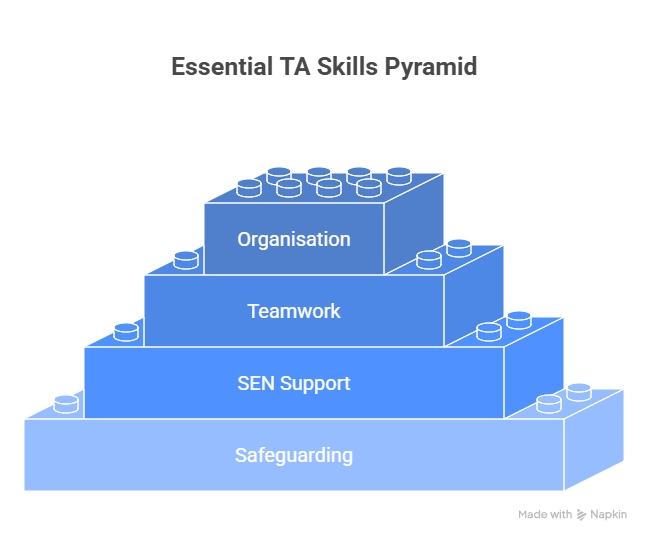
Every teaching assistant must have a solid understanding of safeguarding and child protection policies, as pupil welfare is the top priority in UK schools. This means being able to recognise the signs of abuse or neglect, reporting any concerns promptly through the correct school procedures, and always maintaining confidentiality and professionalism. Safeguarding knowledge also involves creating a safe, supportive environment where children feel secure enough to learn and express themselves. Employers place a high value on TAs with safeguarding training, as it ensures compliance with national education standards and demonstrates a clear commitment to pupil wellbeing.

💡 The Department for Education outlines safeguarding responsibilities in its guidance, which every TA must follow.

5. SEN (Special Educational Needs) Support

With the rising demand for SEN-trained teaching assistants, this is one of the most valuable skills you can bring to the classroom. A great TA should be able to support children with Autism, ADHD, Dyslexia, and a wide range of additional learning needs, adapting approaches to suit individual pupils. This often means using inclusive teaching strategies such as visual aids, simplified instructions, or tailored interventions to help children stay engaged and achieve their potential. Teaching assistants also work closely with SENCOs (Special Educational Needs Coordinators) to implement individual learning plans (ILPs) and ensure that pupils receive the right support. By developing strong SEN skills, you not only make yourself more employable but also contribute to a truly inclusive classroom environment where every child can succeed.

👉 SEN modules are included in the Complete Teaching Assistant Diploma Level 3, making you highly employable.

6. Teamwork and Collaboration

Teamwork and collaboration are central to the role of a teaching assistant, as you’ll be working alongside teachers, headteachers, SEN specialists, and wider school staff daily. You’ll also build strong relationships with parents and carers, keeping them informed about their child’s progress and wellbeing. Effective collaboration ensures that pupils receive consistent guidance, support, and encouragement both in and out of the classroom. By working as part of a cohesive team, you help create a supportive learning environment where every child can thrive, while also building your own professional reputation within the school.

7. Organisation and Flexibility

Schools are fast-paced, dynamic environments, which means teaching assistants must be highly organised and adaptable. From preparing lesson materials and managing classroom resources to supporting pupils with unexpected needs, a TA’s day is rarely predictable. Being organised helps you stay on top of lesson schedules and administrative tasks, while flexibility allows you to respond calmly when plans change at the last minute. Whether it’s covering for another staff member, adjusting support for a pupil with SEN, or assisting in different year groups, the ability to balance multiple responsibilities efficiently makes you an invaluable member of the school team.

Career Benefits of Developing These Skills

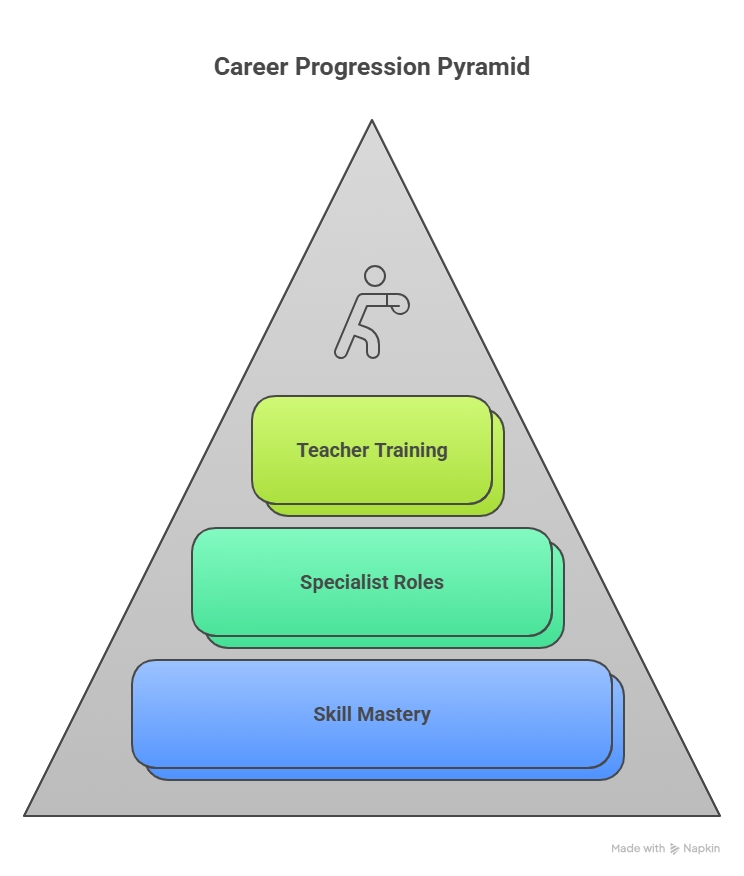
By mastering these skills, you’ll:

  • Stand out in job applications.
  • Be prepared for specialist roles like SEN TA or HLTA.
  • Progress towards teacher training if you choose.

According to Tes Jobs, teaching assistants with SEN training and behaviour management skills often secure higher-paying roles, averaging £20,000–£28,000/year.

Fast-Track Options

If you’re looking for a quicker and more flexible way to develop the skills schools are actively seeking, consider enrolling in an online programme like the Complete Teaching Assistant Diploma Level 3 (TA, SEN, Autism, ADHD & Dyslexia). With self-paced learning, you could complete your training in as little as 8 to 12 weeks, depending on your commitment.

By choosing the right qualification path, you can gain practical classroom skills, SEN expertise, and a CPD-accredited certificate within a timeframe that suits your lifestyle. Whether you’re starting a new career or enhancing your current role, this fast-track route makes you job-ready and highly employable in UK schools.

Conclusion

Great teaching assistants aren’t just qualified — they’re skilled, adaptable, and passionate about supporting children. By focusing on communication, safeguarding, SEN expertise, and behaviour management, you’ll build a strong foundation for a long-term career in education.

🎓 Ready to develop these skills? Enrol in the Complete Teaching Assistant Diploma Level 3 today and gain the practical training UK schools are actively looking for.

FAQs

  • What skills do you need to be a teaching assistant in the UK?
    To be a teaching assistant in the UK, you need strong communication skills, patience, safeguarding knowledge, classroom management abilities, teamwork, and ideally SEN training (Autism, ADHD, Dyslexia).
  • Do teaching assistants need SEN skills?
    While not always compulsory, SEN skills are highly desirable. Schools increasingly seek TAs who can support children with additional needs, making SEN training a key asset for career progression.
  • What are the most important personal qualities of a teaching assistant?
    Great TAs are patient, empathetic, organised, and adaptable. They should be able to build positive relationships with pupils and work collaboratively with teachers and parents.
  • Can I become a teaching assistant without behaviour management training?
    Yes, but having behaviour management strategies makes you more employable. Employers value TAs who can help create a positive classroom environment and handle challenges effectively.
  • What skills help teaching assistants progress in their careers?
    To move into higher-level roles like HLTA or SENCO, you’ll need advanced SEN skills, leadership qualities, strong communication, and ongoing CPD (Continuous Professional Development).

Our Blogs

Latest blog posts

The 6 Principles of Safeguarding: Protect Before Harm Happens" alt="The 6 Principles of Safeguarding: Protect Before Harm Happens" />

Would you know what to do if someone showed signs of abuse or neglect? Learn the 6 Principles of Safeguarding in simple words and discover how to recognise risks, report concerns, prevent harm, and protect vulnerable people with safer, more confident decisions.

Personal Development Goals: 5 Practical Examples That Work" alt="Personal Development Goals: 5 Meaningful Examples That Work" />

Want to become more focused, confident, and organised? This guide explains 5 personal development goals that can help you improve time management, communication, emotional intelligence, skill-building, and your daily routine.

TILE in Manual Handling: Meaning, Checklist & Safer Lifting Guide" alt="TILE in Manual Handling: Meaning, Checklist & Safer Lifting Guide" />

Struggling to understand TILE in Manual Handling? This guide breaks down the meaning, checklist and safer lifting steps so you can spot risks before injuries happen.