


Effective communication in nursing boosts patient safety, enhances team coordination, and reduces errors, ensuring every patient receives compassionate care.
This blog gives a clear understanding of why effective communication in nursing assistant care is crucial, the essential skills and strategies to enhance your daily interactions, ways to overcome common challenges with proven tips, and resources to boost patient outcomes and team efficiency!
Why is Communication in Nursing Assistant Care Important?
Essential for Patient Support:
Nursing assistants rely on clear, straightforward communication to understand patient needs and deliver daily care. It’s the foundation for patients to feel safe and valued. According to the NHS, when patients feel heard and understood, their adherence to treatment plans can improve by up to 30%.
Error Prevention:
Timely, accurate updates can stop small oversights from piling up to be major issues. Research by the National Institute for Health and Care Excellence (NICE) shows that using structured communication methods during shift handovers can reduce errors by approximately 25–30%. One missed detail can lead to a cascade of mistakes, so clear messaging is a must!
Boosting Patient Safety:
According to the UK Government’s Patient Safety page, communication breakdowns contribute to as much as 60% of adverse events in healthcare. Every clear, timely conversation plays a critical role in catching issues early and preventing errors, which leads to significantly safer patient outcomes.
Strengthening Teamwork:
When everyone’s on the same page, teamwork thrives. Open, honest dialogue builds trust among colleagues, ensuring that all hands work together smoothly, even under pressure. NHS Improvement indicates that teams using structured communication practices see improvements in collaboration of around 20%, resulting in better coordinated and more effective care.
Why Understanding Medical Terminology is Important in Nursing?
Patient Safety:
According to the UK National Reporting and Learning System (NRLS), miscommunication in healthcare contributes to nearly 30% of medication errors. Clear and accurate communication can be the difference between life and death. Misunderstanding a medical term could lead to medication errors, incorrect treatments, or delays in urgent care.
Imagine a nurse misreading Mg (milligrams) as Mcg (micrograms) on a prescription. Now, this tiny misunderstanding could lead to a patient receiving 1,000 times the intended dose of medication. Using the correct nursing terminology ensures every instruction is clear, reducing risks and improving patient safety in nursing.
Team Efficiency:
Whether it’s during shift handovers, charting, or emergency situations, using common medical terms in nursing keeps everything running smoothly, preventing misunderstandings that could delay critical care, standardized nursing vocabulary allows nurses, doctors, and other professionals to communicate quickly and effectively.
When a nurse reports that a patient has “low BP, tachycardia, and is on PRN pain meds” without standardized healthcare communication, this information might be unclear or misinterpreted. However, when the team understands these terms, they can respond quickly and appropriately, preventing delays in critical care.
Reliable Data:
According to the NHS Patient Safety Strategy, communication failures account for up to 60% of serious adverse events in UK hospitals. Proper use of medical terminology ensures that patient records are accurate, reduces the risk of errors, and leads to better treatment outcomes.
For example, if a nurse documents that a patient is “NPO”, meaning “nothing by mouth,” but another team member misinterprets the order and administers oral medication, it could result in some very serious complications. So, when healthcare teams use the right terms consistently, they create a safer environment for both patients and staff.
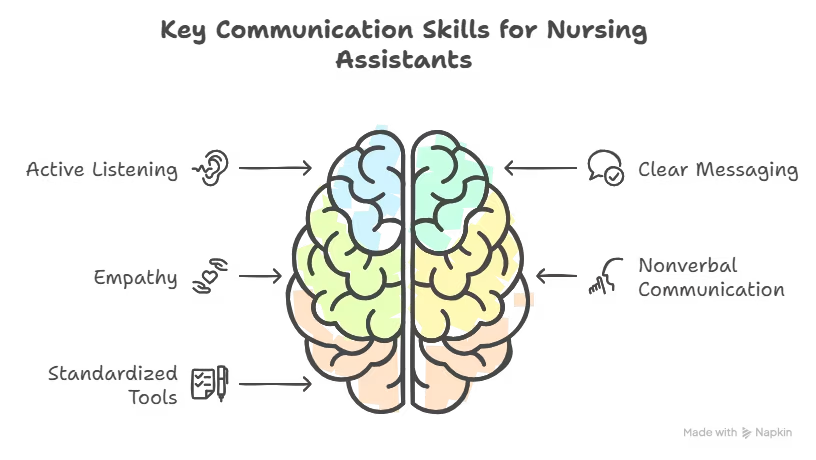
6 Essential Communication Skills Needed in Nursing Assistant Care

Active Listening:
Active listening means fully tuning in, in other words, REALLY understanding the feelings and concerns behind them. It’s important in patient care because it helps you catch important details and show genuine care.
Clear and Concise Messaging:
Delivering information straightforwardly is key. A quick, clear message avoids misunderstandings. When every word counts, keeping it simple makes sure nothing gets lost and blurry in translation.
Empathy and Emotional Intelligence:
Empathy is about connecting with patients and colleagues on a human level. By showing you care, you build trust and rapport, which can be as crucial as any clinical skill.
Nonverbal Communication:
Body language, eye contact, and tone can speak volumes. A reassuring glance or a supportive nod can often convey compassion more effectively than a full sentence.
Using Standardised Communication Tools:
Frameworks like SBAR (Situation, Background, Assessment, Recommendation) offer a structured way to communicate. They ensure everyone gets the same vital information, reducing the risk of miscommunication.

How to Achieve Effective Communication in Nursing Assistant Care
Regular sessions and workshops provide opportunities to practice vital communication techniques. Besides, simulation exercises that mimic real-life scenarios allow staff to navigate complex interactions in a controlled environment.
Every day, simple yet powerful strategies can also make all the difference. Think about regular briefings, debriefings, and routine check-ins during shifts—they ensure everyone is on the same page.
Meanwhile, a quick-reference checklist can be a lifesaver, helping to capture critical details before they slip through the cracks. These actionable practices act like a safety net, catching potential oversights early and ensuring that care remains coordinated and efficient, even during the busiest shifts.
Leveraging modern technology is another game-changer. Secure messaging apps and digital handover systems facilitate the flow of information, ensuring that updates are shared swiftly and accurately.
When details move seamlessly from one team member to another, delays are minimized and patient care becomes more agile. These digital tools not only reduce the risk of miscommunication but also help maintain a continuous flow of critical information.
Finally, creating a culture of continuous improvement is key to long-term success. Regular feedback loops and performance metrics allow teams to evaluate their communication effectiveness and make necessary adjustments.
Encouraging open dialogue, where every staff member feels comfortable sharing suggestions and insights, fosters an environment of trust and growth. This ongoing commitment to refining communication practices ultimately leads to better outcomes, enhanced teamwork, and a higher standard of care for every patient.
FAQ
Why is communication important as a medical assistant?
Care coordination and error reduction are facilitated by accurate sharing and understanding of vital patient information, which is ensured by effective communication. Additionally, it fosters patient trust, which is essential to effective, safe healthcare.
Why is it important for nursing assistants to help patients meet their communication needs?
In order to ensure that patients can clearly convey their wants, worries, and symptoms, nursing assistants assist in bridging communication gaps. This improves overall patient happiness and safety while facilitating prompt, appropriate care.
When communicating with a resident, it is important for a nursing assistant to…?
A nursing assistant should actively listen to the resident and speak in a kind and straightforward manner. This method fosters a supportive, trusting care atmosphere in addition to helping the resident feel understood.
Conclusion
When it comes to nursing assistant care, effective communication is crucial. Without it, teamwork deteriorates, mistakes occur, and patient safety is compromised. Therefore, developing abilities like empathy, active listening, and clear communication is crucial. Every connection matters thanks to easy strategies like frequent training, briefings, and the use of tech tools. Effective communication can be essential to providing patients with the treatment they need.
" alt="The Role of HACCP in Food Manufacturing and Processing" />
" alt="HACCP in Catering and Hospitality: A Complete Guide" />
" alt="Cross-Contamination in Food: Risks and Prevention" />