

Blog 6 minutes read

Do I Need SEN Training to Work as a Teaching Assistant?

Find out why SEN courses boost employability, what schools expect, and how to get qualified.

IT

Isla Thompson

Published September 2, 2025

Do I Need SEN Training to Work as a Teaching Assistant
arrow

Introduction

With more schools across the UK prioritising inclusion, the role of the teaching assistant (TA) has evolved significantly. Today, many TAs work directly with children who have special educational needs (SEN) such as autism, ADHD, or dyslexia. This has left aspiring assistants wondering: Do I need SEN training to work as a teaching assistant?

The short answer is not always, but having SEN training is increasingly valuable. In this blog, we’ll explore why SEN knowledge matters, what schools expect, and how the right training can boost your career opportunities.

Do You Legally Need SEN Training to Become a TA?

In the UK, there is no legal requirement that teaching assistants must hold SEN-specific training before being employed. Many schools are open to hiring enthusiastic candidates who have a Level 2 or Level 3 Teaching Assistant qualification and the right personal qualities, such as patience, empathy, and adaptability.

However, because the demand for SEN support staff is so high, schools often prioritise applicants with SEN knowledge. Having this training shows you can confidently support pupils with additional needs, making you far more employable.

Why SEN Training Matters for Teaching Assistants

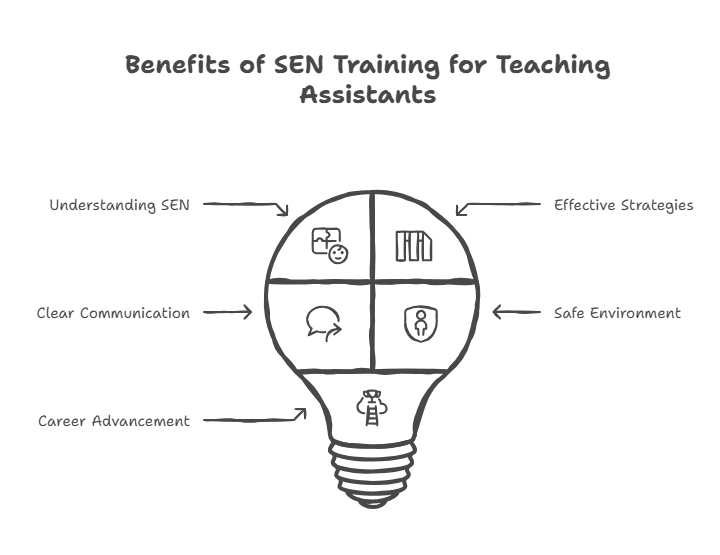
SEN training helps you:

  • Understand how to support children with autism, ADHD, dyslexia, and other learning difficulties.
  • Build effective strategies for behaviour management and inclusive learning.
  • Communicate clearly with teachers, SENCOs, and parents.
  • Create a safe and supportive classroom environment for all pupils.
  • Stand out to employers looking for specialists in SEN support.

With an estimated 1.5 million pupils in England identified as having SEN (DfE, 2024), it’s clear why schools place such importance on this training.

What Schools Expect from New TAs

While SEN training isn’t compulsory, schools increasingly look for teaching assistants who are confident in safeguarding and child protection, supporting inclusive education, and providing one-to-one or small group assistance for children with additional needs. This combination of skills ensures that TAs can contribute effectively to both mainstream and SEN classrooms. That’s why completing a course that blends core TA training with SEN-focused modules gives you a major advantage, making you better prepared for the diverse challenges of modern education.

The Best Way to Gain SEN Training

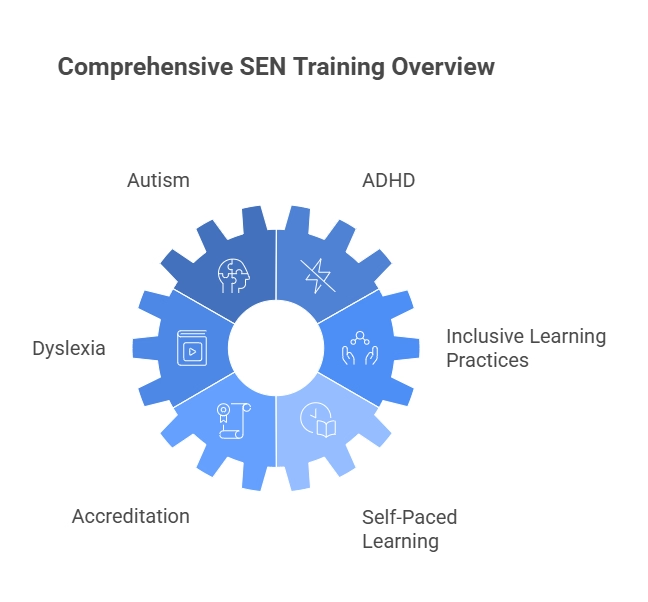
If you’re looking to boost your CV and gain SEN expertise, consider an accredited programme like the Complete Teaching Assistant Diploma Level 3 (TA, SEN, Autism, ADHD & Dyslexia). This flexible online course:

  • Covers autism, ADHD, dyslexia, and inclusive learning practices.
  • Is CPD-accredited and QLS-endorsed, recognised by UK employers.
  • Can be completed in as little as 3 to 6 months with self-paced learning.

Prepares you for real-world TA and SEN support roles.

The Growing Demand for SEN Support in Schools

Over the last decade, UK schools have reported a steady increase in the number of children requiring additional learning support. According to the Department for Education, over 1.5 million pupils in England are identified as having special educational needs (2024), a figure that continues to rise each year. This growing demand means that teaching assistants with SEN training are not only more employable but also play a vital role in helping schools deliver inclusive education. By equipping yourself with SEN knowledge, you’re preparing to meet one of the most urgent needs in today’s classrooms.

Building Confidence Through SEN Training

For many new TAs, stepping into a classroom for the first time can feel overwhelming. SEN training provides the confidence to manage diverse learning needs effectively, from supporting a child with dyslexia during literacy lessons to helping a pupil with autism feel comfortable in group activities. By learning practical strategies, you’ll feel prepared to handle challenging behaviour, adapt resources, and communicate with pupils in ways that make learning accessible. This not only benefits students but also helps you grow into a more capable, confident, and trusted member of the school team.

Career Benefits of SEN Training

  • Higher Employability – Schools prefer candidates with SEN expertise.
  • Specialist Roles – Work as an SEN Teaching Assistant, Autism Support Worker, or Behaviour Mentor.
  • Progression – SEN training can lead to advanced roles like HLTA or SENCO with experience.
  • Impact – You’ll be equipped to make a genuine difference in the lives of children with additional needs.

Source:

📌 According to the National Careers Service, having experience and training in special educational needs is a key advantage when applying for TA roles in UK schools.

Fast-Track Options

If you’re eager to gain SEN skills quickly and boost your employability, online learning is the most flexible route. Programmes such as the Complete Teaching Assistant Diploma Level 3 (TA, SEN, Autism, ADHD & Dyslexia) from Apex Learning allow you to study at your own pace and complete the course in as little as 3 to 6 months, depending on your commitment.

By choosing a self-paced, accredited pathway, you can combine training with voluntary or part-time classroom experience, meaning you’ll be ready to apply for TA and SEN support roles sooner. Whether you’re starting from scratch or looking to specialise, this fast-track option ensures you gain the recognised skills schools are actively looking for.

Conclusion

So, do you need SEN training to work as a teaching assistant? Legally, no. But practically, yes — it can transform your employability and confidence. With SEN knowledge, you’ll be better prepared for the challenges of modern classrooms and more attractive to employers seeking skilled support staff.

If you want to future-proof your career, enrolling in a recognised SEN-focused qualification like the Complete Teaching Assistant Diploma Level 3 (TA, SEN, Autism, ADHD & Dyslexia) is the smartest step forward.

👉 Take action today and build the skills schools are actively looking for.

FAQs

  • Can I become a teaching assistant without SEN training?
    Yes, you can. Many schools hire TAs without SEN-specific training, especially if you have a Level 2 or Level 3 TA qualification. However, SEN training gives you a strong advantage and makes you more employable.
  • Which SEN training is best for teaching assistants?
    Courses that focus on autism, ADHD, and dyslexia are highly valued, as these are the most common additional needs in schools. An accredited programme such as the Complete Teaching Assistant Diploma Level 3 (TA, SEN, Autism, ADHD & Dyslexia) is one of the best options.
  • Is SEN training recognised by UK employers?
    Yes. SEN training that is CPD-accredited or QLS-endorsed is widely recognised across UK schools and childcare providers. Employers see this as proof that you are prepared to support pupils with diverse needs.
  • 4. Can SEN training help me progress in my TA career?
    Absolutely. With SEN expertise, you can apply for specialist roles such as SEN Teaching Assistant or Behaviour Mentor. Over time, it also opens the door to higher positions like HLTA or even SENCO with additional training.

Our Blogs

Latest blog posts

The 6 Principles of Safeguarding: Protect Before Harm Happens" alt="The 6 Principles of Safeguarding: Protect Before Harm Happens" />

Would you know what to do if someone showed signs of abuse or neglect? Learn the 6 Principles of Safeguarding in simple words and discover how to recognise risks, report concerns, prevent harm, and protect vulnerable people with safer, more confident decisions.

Personal Development Goals: 5 Practical Examples That Work" alt="Personal Development Goals: 5 Meaningful Examples That Work" />

Want to become more focused, confident, and organised? This guide explains 5 personal development goals that can help you improve time management, communication, emotional intelligence, skill-building, and your daily routine.

TILE in Manual Handling: Meaning, Checklist & Safer Lifting Guide" alt="TILE in Manual Handling: Meaning, Checklist & Safer Lifting Guide" />

Struggling to understand TILE in Manual Handling? This guide breaks down the meaning, checklist and safer lifting steps so you can spot risks before injuries happen.