
Blog 7 minutes read

Do You Need a Qualification to Work as a Motorcycle Technician?

Learn why a CPD-accredited Motorbike Repairing and Maintenance Diploma boosts employability, salaries & career growth

IT

Isla Thompson

Published September 10, 2025

Learn why a CPD-accredited Motorbike Repairing and Maintenance Diploma boosts employability, salaries & career growth
arrow

Introduction

Motorcycles are more popular than ever in the UK, with over 1.3 million registered bikes on the road (DVLA, 2024). This growing demand means skilled motorcycle technicians and mechanics are in constant demand across garages, dealerships, and MOT centres. But here’s the big question many aspiring professionals ask: Do you actually need a qualification to work as a motorcycle technician?

The short answer is – while you can start without formal training, having a recognised qualification gives you a massive advantage when it comes to getting hired, building credibility, and earning higher wages.

Do You Need a Qualification to Work as a Motorcycle Technician in the UK?

Legally, there is no strict requirement for a qualification to work as a motorcycle technician. Many technicians start by helping in small garages or learning informally from experienced mechanics. However, employers increasingly look for candidates who can show certified skills and up-to-date knowledge of modern motorbike systems.

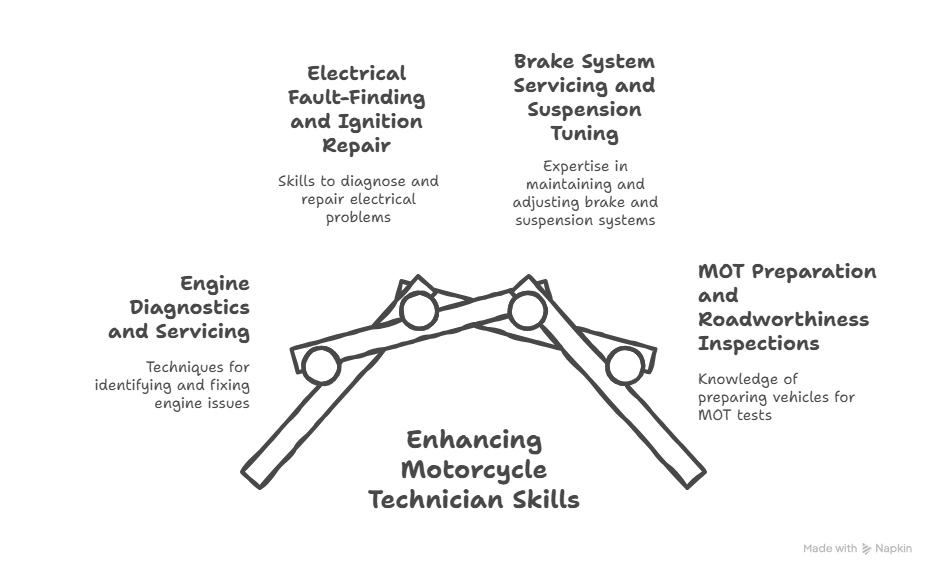
A CPD-accredited motorbike mechanic course not only proves your competence but also shows employers that you are trained in:

  • Engine diagnostics and servicing
  • Electrical fault-finding and ignition repair
  • Brake system servicing and suspension tuning
  • MOT preparation and roadworthiness inspections

This makes you far more competitive in the job market compared to someone without training.

Why Qualifications Give You an Edge

Without structured training, you may face limits on:

  • Employability – Most garages and dealerships prefer applicants with at least a Motorbike Repairing and Maintenance Diploma or apprenticeship.
  • Earnings – Certified technicians often earn £3,000 – £6,000 more per year compared to unqualified workers.
  • Career growth – With an online motorcycle technician course, you can progress into specialist roles like engine tuning, electrical systems, or workshop management.

The Best Path: Accredited Motorcycle Mechanic Training

If you’re serious about turning your passion into a career, enrolling in a Motorcycle repair training course is the most effective route.

One of the most popular options is the Motorbike Repairing and Maintenance Diploma – a flexible, online motorbike mechanic course that covers everything from engine repair to safety compliance. Designed for beginners and experienced riders alike, it gives you both the confidence and certification employers recognise.

What Employers Expect

Today’s motorcycles are advanced machines with electronic systems, ABS brakes, and fuel injection technology. Employers want technicians who can:

  • Use diagnostic tools
  • Follow safety protocols
  • Maintain compliance with UK MOT standards
    Provide excellent customer service alongside technical skills

Having a structured course on your CV shows employers that you’ve been trained to meet these expectations.

Career Opportunities and Salary Potential

With the right training, you can progress into roles such as:

Job Role

Average UK Salary

Motorcycle Mechanic

£18,000 – £25,000

Service Technician

£20,000 – £28,000

Engine Specialist

£22,000 – £30,000

Electrical Systems Technician

£20,000 – £27,000

Workshop Manager

£25,000 – £35,000

💡 This clearly shows that qualifications not only open doors but also boost your earning potential in the UK motorbike repair industry.

The Importance of Accredited Training

While passion and experience go a long way, today’s motorcycles require a solid understanding of modern systems like ABS brakes, electronic fuel injection, and ECU programming. Without training, it can be difficult to keep up with these changes. An accredited motorcycle repair training course ensures you’re always learning the latest techniques and safety standards recognised in the UK automotive industry.

Employers often view candidates with formal qualifications as more reliable and capable of handling advanced jobs. Even if you start as a junior mechanic, certification gives you an edge when competing for promotions and higher-paying roles.

Hands-On Skills That Set You Apart

A good motorbike repairing and maintenance diploma isn’t just about theory—it teaches the practical skills you’ll use daily in workshops. From using torque wrenches and diagnostic software to balancing wheels and replacing brake pads, you’ll gain confidence working with real-world tools and systems.

By mastering both theory and practice, you can quickly progress from an entry-level assistant to a trusted technician capable of handling complex repairs.

Self-Employment Opportunities

Not everyone wants to work in a garage. With the right training, many graduates launch their own motorcycle servicing business. Whether it’s setting up a mobile repair service, opening a small workshop, or specialising in performance tuning, the demand for qualified professionals is strong.

Having a recognised CPD-accredited motorbike mechanic course certificate gives customers confidence in your skills, helping you build a solid reputation and client base.

The Future of Motorcycle Mechanics in the UK

The UK’s motorcycle industry is evolving. With more electric motorbikes entering the market, technicians trained in diagnostics, battery systems, and hybrid servicing will be in even higher demand. By completing a structured online motorcycle technician course now, you position yourself at the front of this wave, ready to take advantage of emerging opportunities in both traditional and electric motorbike repair.

source: National Careers Service, Skills England, Indeed

Fast-Track Options

If you’re looking for a faster and more flexible route, consider taking an online motorcycle technician course. With self-paced study, you can complete the training in 3–6 months, depending on your dedication. This is ideal for learners who want to balance training with work or personal commitments.

By choosing an accredited motorcycle engine and servicing course, you’ll get practical knowledge without the delays of traditional classroom study.

Conclusion

So, do you need a qualification to work as a motorcycle technician in the UK? Strictly speaking, no – but if you want job security, higher pay, and long-term career progression, then completing a CPD-accredited motorbike mechanic course is the smartest move.A qualification like the Motorbike Repairing and Maintenance Diploma not only equips you with the technical skills garages demand but also demonstrates your professionalism to employers.

👉 Ready to take the next step? Enrol in this motorbike repair course today and start your journey towards becoming a certified motorcycle technician.


FAQs

  • Do you legally need a qualification to work as a motorcycle technician in the UK?
    No, you don’t legally need a qualification to start working. However, most employers prefer applicants who have completed a recognised Motorbike Repairing and Maintenance Diploma or apprenticeship. It shows you have the right technical skills and safety knowledge.
  • Which course is best for becoming a motorcycle mechanic?
    For beginners and career changers, an online motorcycle technician course such as the CPD-accredited motorbike mechanic course is the best starting point. It covers everything from motorcycle engine and servicing to electrical diagnostics and MOT compliance, making you career-ready.
  • Can I work on motorcycles without formal training?
    Yes, many hobbyists and enthusiasts maintain their own bikes without qualifications. However, if you want to secure paid work in a garage, dealership, or MOT centre, a motorcycle repair training course will make you more employable and trusted by customers.
  • How long does it take to qualify as a motorcycle technician?
    With an online motorbike mechanic course, you can usually complete training within 3–6 months, depending on your study pace. Apprenticeships or college courses may take longer, often 1–2 years.
  • What salary can a qualified motorcycle mechanic earn in the UK?
    Salaries typically range from £18,000 to £35,000 per year, depending on experience and specialisation. Qualified technicians with advanced training often secure higher salaries or start their own motorcycle servicing business.
  • Can I specialise after completing a basic motorbike mechanic course?
    Absolutely. Once you’ve completed your motorcycle engine and servicing course, you can specialise in areas such as performance tuning, electrical systems, suspension & brakes, or MOT testing. This often leads to better pay and career progression.
  • Is online training accepted by UK employers?
    Yes. A CPD-accredited motorbike mechanic course completed online is widely recognised by garages and employers across the UK, as long as it comes from a trusted training provider. Online study also allows you to start your career as a motorcycle mechanic without giving up work or other commitments.

Ready to move from hobbyist to professional? Enrol in this motorbike repair course today and gain the qualifications, confidence, and career opportunities you deserve

Our Blogs

Latest blog posts

The 6 Principles of Safeguarding: Protect Before Harm Happens" alt="The 6 Principles of Safeguarding: Protect Before Harm Happens" />

Would you know what to do if someone showed signs of abuse or neglect? Learn the 6 Principles of Safeguarding in simple words and discover how to recognise risks, report concerns, prevent harm, and protect vulnerable people with safer, more confident decisions.

Personal Development Goals: 5 Practical Examples That Work" alt="Personal Development Goals: 5 Meaningful Examples That Work" />

Want to become more focused, confident, and organised? This guide explains 5 personal development goals that can help you improve time management, communication, emotional intelligence, skill-building, and your daily routine.

TILE in Manual Handling: Meaning, Checklist & Safer Lifting Guide" alt="TILE in Manual Handling: Meaning, Checklist & Safer Lifting Guide" />

Struggling to understand TILE in Manual Handling? This guide breaks down the meaning, checklist and safer lifting steps so you can spot risks before injuries happen.