

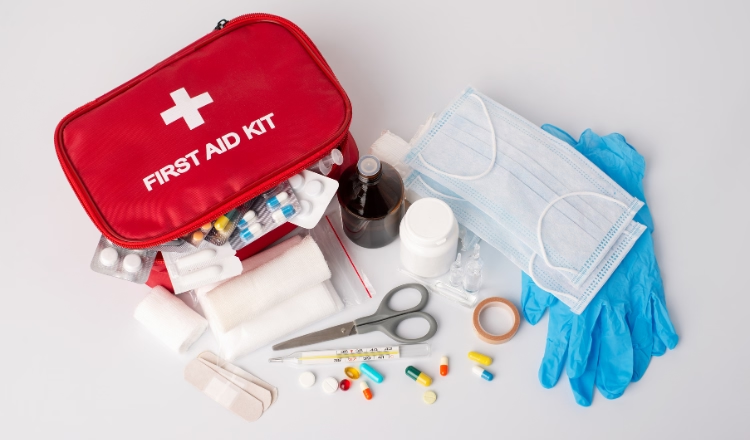

Workplace emergencies don’t come with a warning. A slip in the warehouse, a fainting colleague in the office, or a sudden cardiac arrest in a meeting, they all share one thing in common: someone nearby must know what to do.
That’s where First Aid at Work training becomes invaluable. It bridges the crucial minutes between incident and professional medical help, moments that can decide whether an injury remains minor or turns into a life-threatening situation.
In the modern UK workplace, first aid training isn’t just a legal formality; it’s a cornerstone of a healthy, safety-aware culture. For employers, it demonstrates compliance and care. For employees, it cultivates confidence and capability.
But what exactly does “First Aid at Work” training involve? How does it fit into legal obligations, and why does it matter so much today, especially as workplaces evolve to new hybrid and high-risk environments?
Let’s explore it in depth.

1. Understanding the Role of First Aid in the Workplace
First aid is the immediate assistance provided to a person who has been injured or taken ill, before professional help arrives. The aim is simple but profound: to preserve life, prevent deterioration, and promote recovery.
While that sounds straightforward, its impact is far-reaching. A workplace with trained first aiders doesn’t just respond to emergencies; it actively prevents them. Awareness, preparedness, and confidence reduce risks across the entire organisation.
According to the Health and Safety Executive (HSE), all UK employers must ensure that “adequate and appropriate first-aid equipment, facilities, and personnel are provided so employees can receive immediate attention if they are injured or taken ill at work.”
That phrase, “adequate and appropriate”, depends on your workplace size, type, and risk level. A small office might only need a basic first aid kit and one trained first aider. A construction site, however, will require multiple trained staff, risk assessments, and frequent refreshers.
Regardless of industry, having certified first aiders builds resilience, it ensures that no one is left helpless in an emergency.
2. Why First Aid at Work Matters in 2025 and Beyond
Workplace safety is evolving. The post-pandemic world has placed renewed emphasis on wellbeing, mental health, and employee safety. Hybrid work, high-pressure environments, and regulatory scrutiny mean employers can’t afford to overlook health preparedness.
a. Life-Saving Potential
A 2023 study by St John Ambulance found that around 59% of UK employees wouldn’t feel confident giving first aid at work. Yet cardiac arrest survival rates can double when CPR is started immediately.
That gap between uncertainty and action is where training makes the difference.
b. Legal and Ethical Responsibility
Employers in the UK are bound by the Health and Safety (First-Aid) Regulations 1981 to assess their workplace needs and appoint first aiders accordingly. Failing to do so not only risks non-compliance, it risks lives.
c. Boosting Employee Confidence and Morale
When staff know their well-being is valued, morale rises. Employees in safe environments are more engaged, loyal, and productive. It’s not just about reacting to accidents; it’s about fostering a proactive culture of care.
3. What You’ll Learn in a First Aid at Work Course
A comprehensive First Aid at Work course covers far more than bandages and CPR. It’s a structured, CPD-accredited learning journey that combines theory, practical scenarios, and legal awareness.
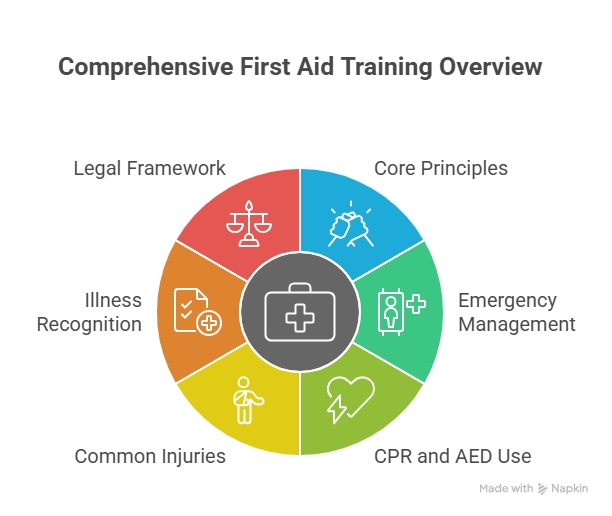
Here’s what’s typically covered: each module is designed to ensure learners can handle real-world emergencies with confidence.
a. Core Principles and the Role of the First Aider
You’ll start with the fundamentals:
- The duties and limitations of a first aider
- Assessing an emergency scene for risks
- Prioritising treatment (the DRABC method, Danger, Response, Airway, Breathing, Circulation)
- Communicating effectively with emergency services
It’s not just about knowing what to do; it’s about remaining calm, taking control, and reassuring others while waiting for professional help.
b. Managing Emergency Situations
Emergencies unfold differently each time. The course trains you to think quickly and clearly, adapting to context. You’ll learn how to:
- Secure the scene and reduce risks
- Evaluate multiple casualties and decide treatment order
- Support others in high-stress moments
This situational awareness makes trained employees invaluable during crises.
c. CPR and Use of AED (Defibrillator)
One of the most vital components of first aid training is mastering cardiopulmonary resuscitation (CPR) and the use of automated external defibrillators (AEDs).
Immediate CPR can double or triple the chance of survival for a person in cardiac arrest. Learners practice assessing responsiveness, performing chest compressions, and operating AEDs correctly.
d. Common Injuries and How to Manage Them
From office paper cuts to warehouse burns, the course covers all major workplace injury categories:
- Cuts, wounds, and bleeding control
- Burns and scalds
- Sprains, fractures, and soft-tissue injuries
- Choking and airway obstruction
- Fainting and shock
Each topic focuses on recognition, immediate care, and when to escalate to emergency services.
e. Illness Recognition and Medical Conditions
You’ll also learn how to recognise and assist during medical emergencies like:
- Asthma attacks
- Seizures and epilepsy
- Diabetic emergencies
- Allergic reactions and anaphylaxis
- Heart attacks and strokes
These conditions often strike without warning. Early recognition and correct response can dramatically change outcomes.
f. Legal Framework and Documentation
UK first aid regulations emphasise not only care but accountability. Training includes:
- Understanding employer responsibilities
- Completing accident books and RIDDOR reports
- Maintaining first aid equipment and stock
- Confidentiality and record keeping
This administrative side of first aid ensures your actions are not just helpful, but legally sound.
4. Beyond Emergencies, The Broader Benefits of First Aid Training
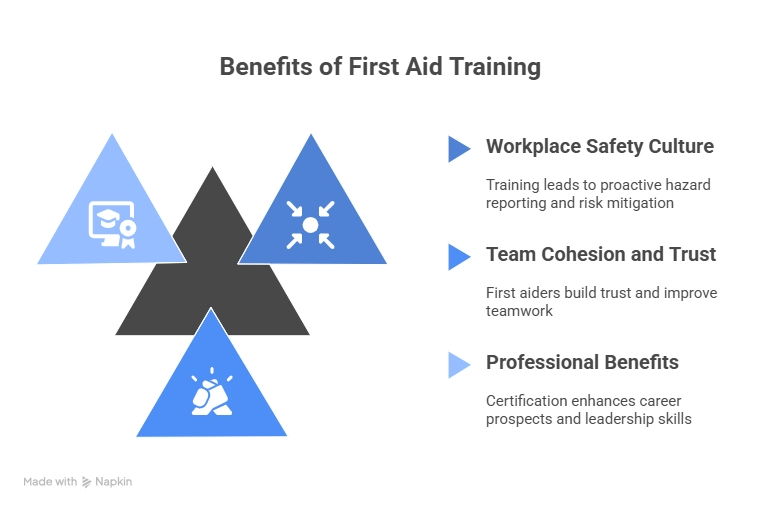
a. Strengthening Workplace Safety Culture
When employees are first aid trained, everyone becomes more observant and proactive. Hazards get reported faster, risks are mitigated earlier, and accidents drop over time.
Workplace culture shifts from reactive safety to preventive awareness.
b. Improved Team Cohesion and Trust
First aiders often become natural team leaders during crises. Their calm, composed response reinforces trust among colleagues. Over time, that trust extends beyond emergencies, improving teamwork and communication across departments.
c. Professional and Career Benefits
A certified First Aid at Work qualification adds value to your CV. It demonstrates reliability, composure, and empathy, traits that employers prize in leadership and people-facing roles.
For managers, it strengthens your health and safety credentials. For entry-level employees, it’s a differentiator that signals initiative.
5. Legal Compliance: What Employers Must Know
Every UK employer must perform a first aid needs assessment to determine:
- How many first aiders are needed
- What type of first aid equipment should be available
- How incidents will be recorded and reviewed
Workplaces with more significant risks (construction, manufacturing, childcare, etc.) must have trained and certified first aiders on-site during all working hours.
Ignoring these obligations can lead to regulatory penalties and reputational damage, but more importantly, it puts human life at unnecessary risk.
6. Psychological First Aid and Mental Health Awareness
Modern first aid is no longer just about physical injuries. The last decade has seen rising attention to mental health first aid, helping employees recognise distress and offer initial support.
While not a legal requirement yet, many UK organisations are incorporating mental health first aid modules alongside physical first aid, ensuring holistic wellbeing coverage.
7. How Training Improves Organisational Reputation
Companies that invest in first aid training gain far more than compliance certificates. They build reputations as responsible employers who value people. This can:
- Improve staff retention and satisfaction
- Strengthen corporate image
- Reduce insurance claims and liability exposure
- Attract partnerships and clients who prioritise ethical standards
In other words, safety leadership becomes brand leadership.
8. The Learning Experience, Flexible, Online, and Accredited
Gone are the days when first aid training required long in-person sessions. With digital learning platforms, you can now study online at your own pace, combining video lessons, case studies, and interactive assessments.
A typical CPD-accredited First Aid at Work course offers:
- 24/7 online access
- Downloadable study materials
- Self-paced assessments
- Tutor support
- CPD or QS-accredited certification upon completion
These credentials are recognised across industries and help you meet compliance requirements while fitting training into busy schedules.
9. How to Maintain Your Certification
Most first aid certifications are valid for three years. Refresher training is highly recommended to keep skills sharp and compliant with new HSE guidance.
Employers should maintain up-to-date training records and schedule refreshers well before expiry to avoid compliance gaps.
10. The Bigger Picture, Creating a Culture of Safety
First aid at work training is not just about reacting to emergencies. It’s about embedding a mindset, one where every employee understands risk, values safety, and acts responsibly.
In such workplaces, accidents decline, trust grows, and resilience strengthens.
That’s the long-term value of investing in education: it transforms safety from a checklist into a culture.
11. Where to Begin
If you’re looking to upskill yourself or ensure your organisation meets UK first aid requirements, start with a structured, accredited programme.
The First Aid at Work, CPD Accredited Course Online UK offers comprehensive coverage of theoretical first aid procedures, CPR, workplace incident management, and UK compliance laws, ideal for professionals, employers, and designated first aiders alike.
Final Thought:
Emergencies can happen to anyone, anywhere, at any time. But the outcome depends on how prepared you are in those critical moments.
By learning first aid, you’re not just gaining a certificate; you’re gaining the power to save lives.
And in today’s world, that’s one of the most valuable skills anyone can have.
FAQs
- What is First Aid at Work training?
First Aid at Work training teaches essential skills to handle workplace medical emergencies. It covers CPR, AED use, wound care, and managing common injuries in compliance with UK HSE regulations. - Is First Aid at Work training mandatory in the UK?
Yes. The Health and Safety (First-Aid) Regulations 1981 require all UK employers to provide adequate first aid provisions, including trained personnel appropriate to their workplace risk level. - How long does a First Aid at Work course take?
Most accredited courses take between 1 to 3 days to complete, depending on whether it’s a full or emergency first aid course. Online CPD options offer self-paced flexibility. - How long does a First Aid at Work certificate last?
Certificates are typically valid for three years, after which refresher training is required to remain compliant with HSE standards. - Can I complete First Aid at Work training online?
Yes. Many CPD-accredited providers offer fully online or hybrid courses, allowing learners to study practical skills through guided video demonstrations and digital assessments. - Who should take a First Aid at Work course?
It’s suitable for employees, supervisors, managers, and designated workplace first aiders—especially in offices, schools, warehouses, and construction sites. - What topics are covered in the training?
Topics include emergency assessment, CPR, AED operation, wound treatment, managing burns, fractures, choking, and recognising medical conditions like asthma, diabetes, and stroke. - Why is First Aid at Work important in 2025?
Modern workplaces emphasise safety, mental health, and legal compliance. Training ensures readiness for emergencies, boosts employee confidence, and strengthens workplace culture. - Is the course CPD accredited?
Yes. The First Aid at Work Online Course is CPD certified, ensuring it meets high professional standards and contributes to your ongoing career development.
 " alt="The 6 Principles of Safeguarding: Protect Before Harm Happens" />
 " alt="Personal Development Goals: 5 Meaningful Examples That Work" />
 " alt="TILE in Manual Handling: Meaning, Checklist & Safer Lifting Guide" />