



Introduction
Starting as a teaching assistant (TA) in the UK can feel daunting, especially if you don’t yet have classroom experience. Many schools list “experience with children” as a desirable requirement, which often leaves newcomers asking: How do I gain that experience if I’ve never worked in a classroom before?
The good news is that there are several accessible ways to build hands-on classroom experience, even before landing your first TA role. In this guide, we’ll outline practical steps, training routes, and opportunities to help you gain confidence, strengthen your CV, and secure your first teaching assistant position.
Why Classroom Experience Matters
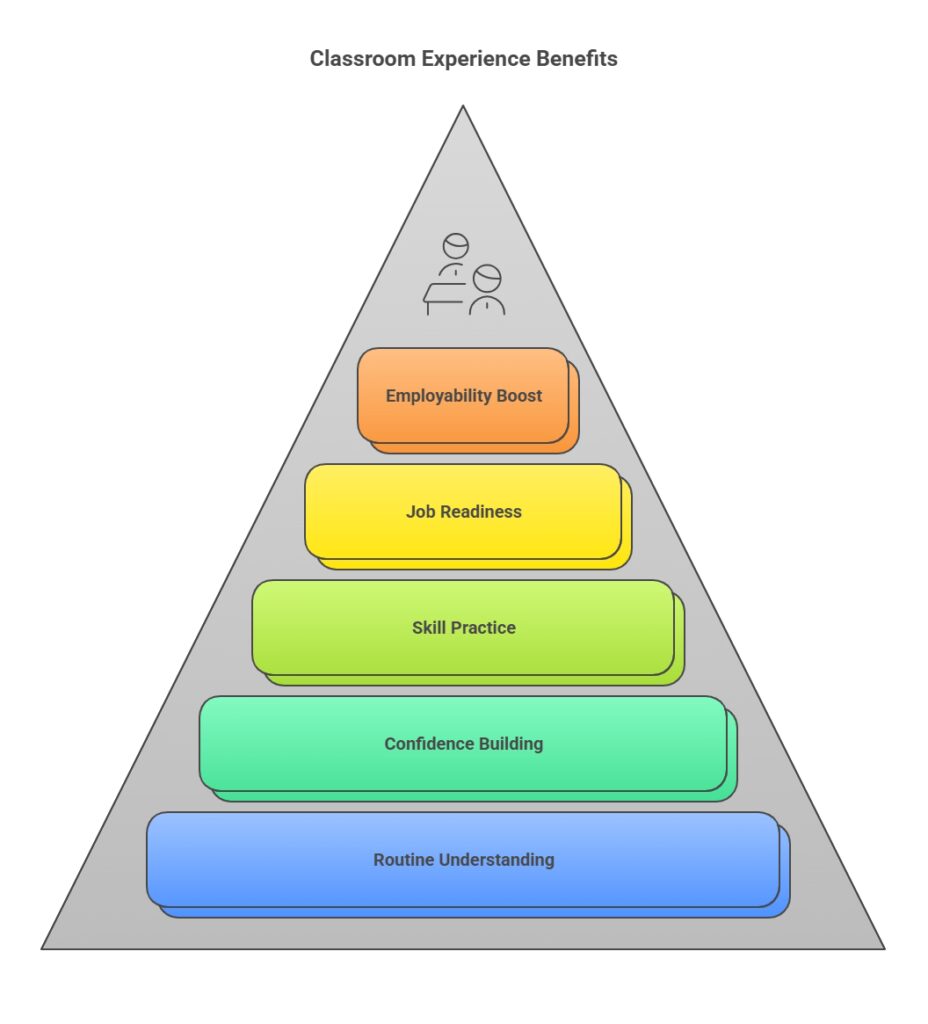
Classroom experience helps you:
- Understand daily routines, lesson structures, and school policies.
- Develop confidence working with children in real settings.
- Practise skills like behaviour management and communication.
- Show employers you’re “job-ready” from day one.
- Gain references that boost your employability.
Beyond these benefits, spending time in a classroom also allows you to observe how teachers and experienced TAs handle different learning styles and SEN support needs, giving you practical strategies you can apply in your own role. It helps you become familiar with safeguarding procedures, health and safety standards, and inclusive teaching methods, which are essential in UK schools. Employers value this type of experience because it demonstrates that you can transfer theory into practice and adapt quickly to the dynamic environment of education.
1. Volunteer in a Local School
One of the most effective ways to gain classroom experience is by volunteering. Many schools welcome volunteers to support teachers, listen to children read, or help with classroom activities. Even a few hours a week can make a big difference.
- Contact local primary or secondary schools directly.
- Offer to assist with reading groups, SEN support, or classroom activities.
- Keep records of your hours so you can evidence your experience on your CV.
Volunteering not only builds practical skills but also helps you network with teachers and headteachers, which can lead to job opportunities.
2. Work Experience Through a TA Course
Some Level 2 and Level 3 Teaching Assistant courses include optional or mandatory work placements. This is a structured way to combine learning with real-world practice.
Enrolling in an accredited programme, such as the Complete Teaching Assistant Diploma Level 3 (TA, SEN, Autism, ADHD & Dyslexia), ensures you’ll gain both theoretical knowledge and practical, classroom-based tasks. Employers highly value this blend of learning and experience.
3. Gain Experience in Nurseries or After-School Clubs
If you’re struggling to find school placements, there are plenty of alternative childcare settings that can help you gain valuable experience. Working in nurseries, early years centres, breakfast clubs, after-school programmes, or even holiday activity camps and youth groups allows you to develop transferable skills that are highly relevant to teaching assistant roles. These environments help you build confidence in areas such as safeguarding, child development, and behaviour management, giving you practical experience that employers in schools will recognise and value.
4. Register with a Supply Agency
Education recruitment agencies often place new teaching assistants in temporary or supply roles. These positions give you the chance to experience different schools and settings, while building your CV and increasing your chances of securing a permanent role. Working with a supply agency also provides flexibility, allowing you to choose assignments that fit around your lifestyle while still gaining valuable classroom exposure. It’s a great way to explore different year groups, school types, and SEN environments before committing to a permanent position. Many schools also use supply placements as a way to trial potential candidates, which means strong performance could quickly lead to a long-term or full-time contract.
5. Support Children with SEN
Schools have a growing need for support staff trained in SEN. By gaining specialist knowledge in areas such as autism, ADHD, or dyslexia, you can position yourself as a highly employable candidate.
Taking online SEN courses or shadowing SEN staff in schools gives you practical insight into inclusive classroom strategies. This makes you more confident and attractive to employers.
6. Leverage Volunteering Beyond Schools
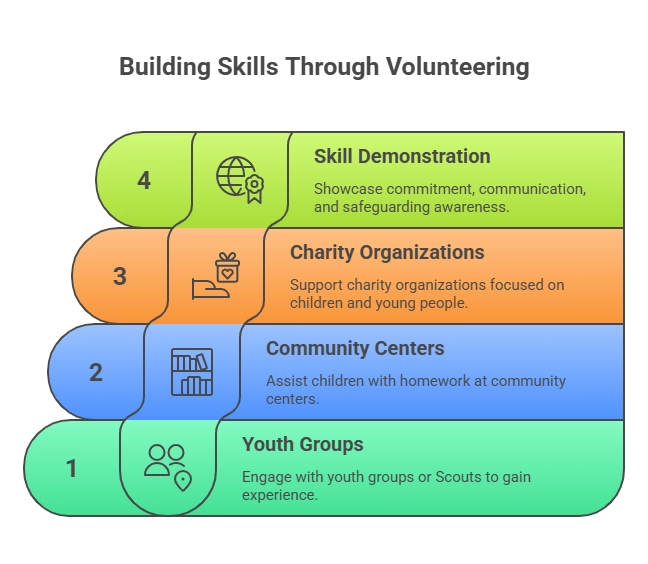
If you can’t immediately access school placements, consider:
- Volunteering with youth groups, Scouts, or community clubs.
- Helping children with homework at community centres.
- Assisting in charity organisations that support children and young people.
These experiences still demonstrate commitment, communication, and safeguarding awareness.
Source:
📌 The National Careers Service notes that relevant classroom or childcare experience is often essential when applying for TA roles, highlighting the value of voluntary and part-time opportunities.
Fast-Track Options
If you’re looking for a quicker and more flexible way to gain school-ready skills, consider enrolling in an online qualification such as the Complete Teaching Assistant Diploma Level 3 (TA, SEN, Autism, ADHD & Dyslexia) from Apex Learning. With self-paced learning, you could complete the course in as little as 3 to 6 months, depending on your study commitment.
By choosing the right training pathway, you can start building classroom experience while working towards a recognised qualification. Whether you begin with volunteering, short placements, or agency roles, combining hands-on practice with accredited training will fast-track your journey into a rewarding teaching assistant career.
Conclusion
Building classroom experience as a new teaching assistant is not as difficult as it seems. From volunteering at local schools to joining after-school clubs, nurseries, or supply agencies, there are multiple routes to gaining valuable experience.
Pairing hands-on practice with an accredited qualification such as the Complete Teaching Assistant Diploma Level 3 (TA, SEN, Autism, ADHD & Dyslexia) ensures you’ll not only meet employer expectations but also feel confident stepping into the classroom.
👉 Start small, stay consistent, and before you know it, you’ll have the experience, skills, and qualifications that UK schools are looking for.
FAQs
- Do I need classroom experience before applying for a TA job?
Not always. Some schools accept applicants without prior classroom experience if they show the right qualities. However, having volunteering or childcare experience gives you a strong advantage and makes your CV stand out. - What is the best way to gain classroom experience as a beginner?
Volunteering in a local school is one of the best starting points. Even a few hours a week supporting teachers or helping with reading groups can give you valuable experience and confidence. - Can online courses help me gain classroom experience?
Yes. Many Level 2 and Level 3 Teaching Assistant courses include optional placements or practical assignments. Courses such as the Complete Teaching Assistant Diploma Level 3 (TA, SEN, Autism, ADHD & Dyslexia) provide both recognised qualifications and opportunities to practise classroom skills. - Will working in nurseries or after-school clubs count as experience?
Definitely. Employers value experience in nurseries, after-school clubs, or holiday camps, as these roles involve childcare, behaviour management, and safeguarding — all transferable to a TA role - How can I get classroom experience if I work full-time?
You could volunteer during school holidays, support after-school clubs, or take flexible online training that allows part-time placement opportunities. Even a few hours of consistent volunteering can make a big difference. - Do supply agencies hire teaching assistants with no experience?
Yes. Some agencies accept beginners who have completed an accredited TA course. This is a great way to gain paid experience across different schools before applying for permanent roles. - Is SEN experience necessary for new teaching assistants?
Not strictly, but it’s highly valued. With more schools needing staff trained in autism, ADHD, and dyslexia support, completing an SEN-focused qualification makes you much more employable. - Can classroom volunteering lead to a permanent TA job?
Yes. Many schools hire volunteers into full-time TA positions once they prove their commitment and ability. Volunteering is one of the most effective routes into paid employment.
" alt="Asbestos Colours and Handling: What They Mean & Safety Guide" />
" alt="What is the legal requirement for first aid at work in the UK?" />