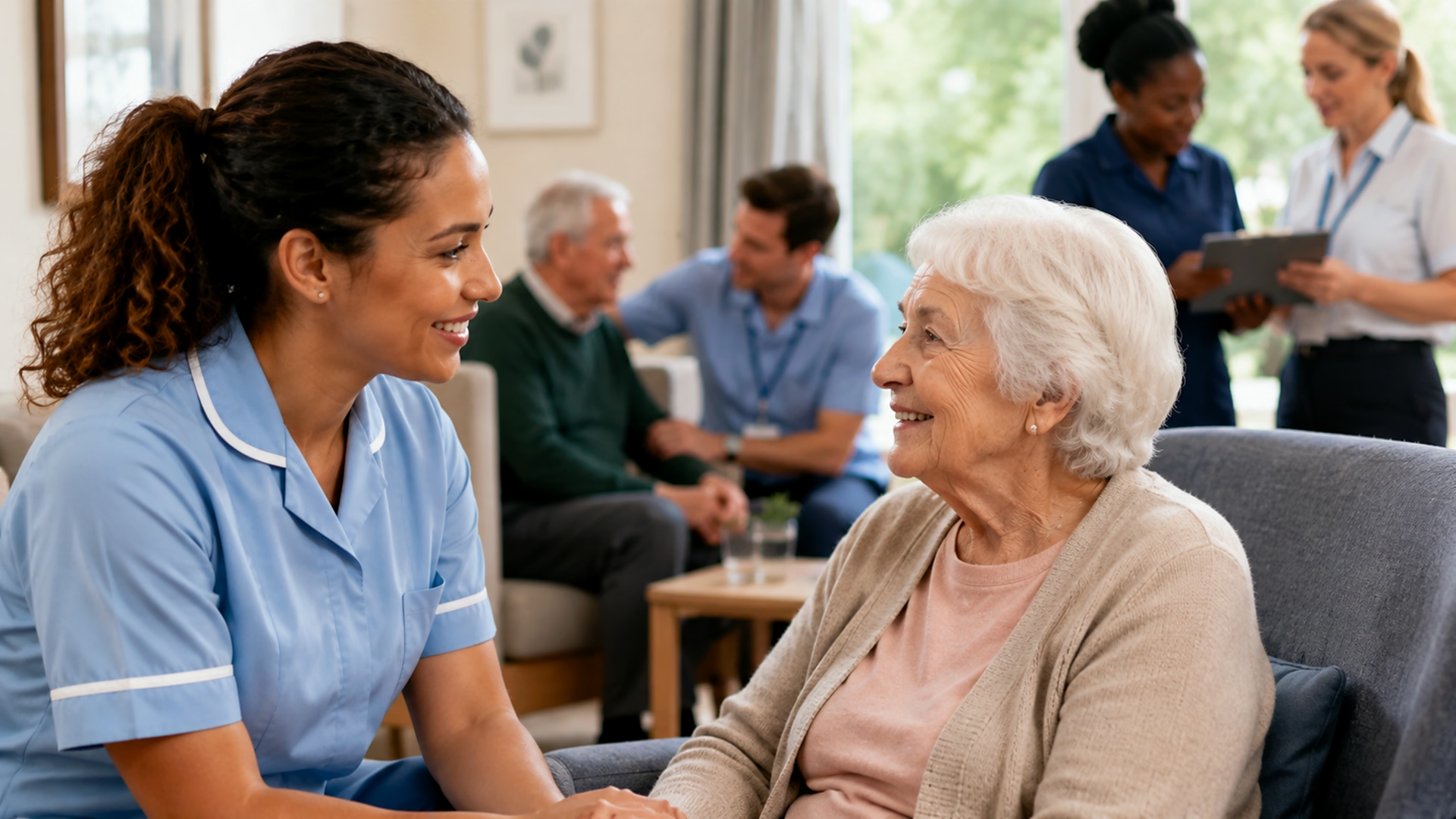


Safeguarding encompasses measures designed to protect the health, well-being, and human rights of individuals, enabling them to live free from abuse, harm, and neglect.
In this comprehensive guide, we’ll explore ten powerful safeguarding examples that everyone should be aware of. So, read till the end to find out about all of them!
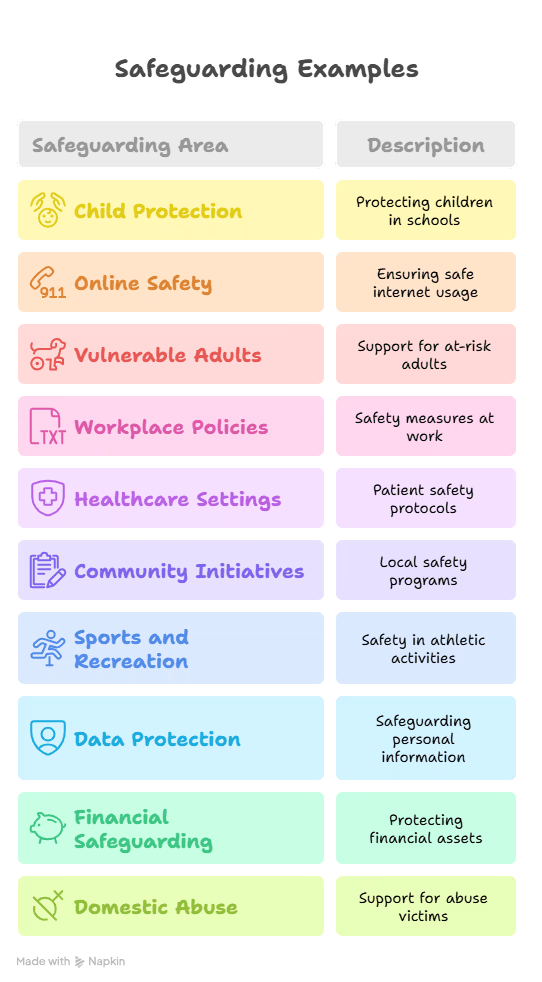
1. Child Protection in Educational Institutions
Ensuring a Safe Learning Environment
Educational institutions play a pivotal role in safeguarding children. They implement policies and procedures to protect students from abuse and neglect, creating a secure environment conducive to learning and development.
Key Measures:
- Comprehensive Policies: Schools develop detailed safeguarding policies outlining the steps to prevent and respond to abuse.
- Staff Training: Regular training sessions equip teachers and staff with the skills to recognize and address signs of abuse.
- Safe Recruitment: Implementing stringent hiring processes, including background checks, ensures that individuals working with children are suitable for their roles.
Case Study:
A primary school in London established a ‘Designated Safeguarding Lead’ (DSL) responsible for overseeing child protection issues. This role ensured that any concerns were promptly addressed, leading to a significant decrease in incidents and fostering a culture of safety within the school.
2. Online Safety and Cybersecurity
Navigating the Digital World Securely
The internet, while offering numerous benefits, also poses risks such as cyberbullying, exploitation, and data breaches. Safeguarding in the digital realm involves protecting individuals from these threats.
Key Measures:
- Education: Teaching individuals about the dangers of the internet and how to protect themselves.
- Parental Controls: Tools that allow parents to monitor and restrict their children’s online activities.
- Secure Systems: Organizations implementing robust cybersecurity measures to protect user data.
Example:
A social media platform introduced advanced privacy settings and AI-driven content monitoring to detect and prevent cyberbullying and inappropriate content, enhancing user safety.
3. Safeguarding Vulnerable Adults
Protecting Those at Greater Risk
Vulnerable adults, such as the elderly or those with disabilities, are at a higher risk of abuse and neglect. Safeguarding measures aim to protect their rights and well-being.
Key Measures:
- Regular Assessments: Conducting frequent evaluations to identify signs of abuse or neglect.
- Support Services: Providing access to counseling, legal aid, and other support mechanisms.
- Community Engagement: Encouraging community members to be vigilant and report concerns.
Example:
A community center established a ‘buddy system’ where volunteers regularly visited elderly residents, providing companionship and monitoring their well-being, leading to early detection of potential abuse cases.
4. Workplace Safeguarding Policies
Ensuring a Safe Work Environment
Workplaces have to protect employees from harm, including harassment, discrimination, and unsafe conditions.
Key Measures:
- Clear Policies: Establish guidelines on acceptable behavior and procedures for reporting misconduct.
- Training Programs: Educate employees about their rights and responsibilities.
- Whistleblower Protections: Ensuring that individuals can report concerns without fear of retaliation.
Example:
A corporation implemented an anonymous reporting system for employees to voice concerns about workplace harassment, resulting in increased reporting and a more supportive work environment.
5. Safeguarding in Healthcare Settings
Prioritising Patient Safety
Healthcare settings must ensure that patients receive care in a safe environment, free from abuse and neglect.
Key Measures:
- Patient Rights: Informing patients of their rights regarding care and treatment.
- Staff Vetting: Thorough background checks for healthcare professionals.
- Incident Reporting: Systems to report and address any concerns about patient safety.
Case Study:
A hospital introduced a ‘zero tolerance’ policy towards patient abuse, coupled with regular staff training, leading to improved patient satisfaction and safety outcomes.
6. Community Safeguarding Initiatives
Building Protective Networks
Communities play a crucial role in safeguarding by fostering environments where individuals look out for one another.
Key Measures:
- Neighborhood Watch Programs: Residents collaborate to monitor and report suspicious activities.
- Community Education: Workshops and seminars on recognising and preventing abuse.
- Support Networks: Establishing groups that offer assistance to vulnerable community members.
Example:
A town launched a community alert system, allowing residents to receive notifications about local safety concerns, enhancing communal vigilance and safety.
7. Safeguarding in Sports and Recreational Activities
Ensuring Safe Participation
Sports organisations must protect participants, especially minors, from abuse and exploitation.
Key Measures:
- Code of Conduct: Clear guidelines on acceptable behavior for coaches, players, and staff.
- Mandatory Reporting: Obligating staff to report any suspicions of abuse.
- Parental Involvement: Encouraging parents to be active in their children’s sporting activities.
Example:
A youth soccer league mandated that all coaches undergo safeguarding training and background checks, creating a safer environment for young athletes.
8. Data Protection and Privacy
Safeguarding Personal Information
With the increasing digitisation of information, protecting personal data has become paramount.
Key Measures:
- Compliance with Regulations: Adhering to laws like the General Data Protection Regulation (GDPR) to ensure data protection.
- Data Encryption: Using advanced encryption methods to protect data from unauthorised access.
- Transparency: Informing individuals about how their data is used and obtaining consent.
Example:
A healthcare provider implemented stringent data protection measures, including encryption and regular audits, to safeguard patient records, enhancing trust and compliance with regulations.
9. Financial Safeguarding
Protecting Against Financial Exploitation
Financial abuse can severely impact individuals, particularly the elderly or those with cognitive impairments.
Key Measures:
- Monitoring Financial Transactions: Keeping an eye out for unusual banking activities.
- Education: Teaching individuals about common financial scams and how to avoid them.
- Legal Protections: Establishing power of attorney arrangements to protect those unable to manage their finances.
Example:
A bank launched a program to educate seniors about common financial scams, resulting in a significant decrease in fraud cases among their elderly customers.
10. Safeguarding Against Domestic Abuse
Creating Safe Havens
Domestic abuse remains a critical issue worldwide. Safeguarding measures aim to protect victims and prevent further harm.
Key Measures:
- Support Services: Providing shelters, counseling, and legal assistance to victims.
- Awareness Campaigns: Educating the public about the signs of domestic abuse and how to help.
- Protective Legislation: Enforcing laws that protect victims and hold perpetrators accountable.
Case Study:
A city implemented a comprehensive domestic abuse program, including emergency housing and a 24/7 helpline, leading to increased reporting and support for victims.
FAQ
What is a good example of safeguarding?
Child protection in schools, online safety, and workplace safeguarding are great examples of safeguarding in action.
What is the standard 10 safeguarding adults?
The 10 principles include empowerment, prevention, proportionality, protection, partnership, accountability, advocacy, respect, early intervention, and continuity of care.
What are the 7 Rs of safeguarding?
Recognize, Respond, Report, Record, Refer, Reflect, and Review—steps to effectively handle safeguarding concerns.
What are the 5 P’s of safeguarding?
Prevention, Protection, Partnership, Proportionality, and Personalisation—key principles to ensure safety and well-being.
Conclusion
Safeguarding is a shared responsibility that requires vigilance, empathy, and proactive measures. By understanding and implementing these ten comprehensive examples, we can create environments where everyone feels safe, valued, and protected.
" alt="The Role of HACCP in Food Manufacturing and Processing" />
" alt="HACCP in Catering and Hospitality: A Complete Guide" />
" alt="Cross-Contamination in Food: Risks and Prevention" />